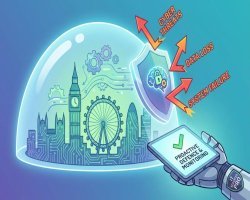
Secure Account: A Practical Guide to Better Online Account Protection
Story details
- Written by
- behemoh fabaos
- Published
- Read time
- 4 min
- Reads
- 583

Creating a secure account is an important step when using any online service that stores personal information or transaction details. A well-protected account can reduce the likelihood of unauthorized access and help users maintain control over their information. Strong login practices, careful device management, and awareness of suspicious activity all contribute to better account security.
Why a Secure Account Matters
An online account can contain personal details, account history, payment information, and other private data. If unauthorized people gain access, they may attempt to change account settings or misuse stored information.
For this reason, users should treat account security as an ongoing responsibility rather than something that only matters during registration. Simple habits can significantly improve overall protection.
Create a Strong Password
A strong password should be difficult for another person to guess. Users should avoid obvious information such as names, birthdays, phone numbers, or commonly used words.
Using a different password for each important account is also recommended. If one service experiences a security incident, unique passwords can prevent the same credentials from being used elsewhere.
Use Additional Authentication
Some online services provide additional authentication options. These can require an extra verification step after the password is entered.
When available, users should consider enabling an authentication method that they can manage securely. This provides an additional layer of protection if someone discovers the primary password.
Protect Login Information
Login credentials should remain private. Users should never send passwords or verification codes to strangers through messaging services, email, or social media.
Legitimate support processes should not require users to publicly disclose private login information. If a message requests sensitive credentials unexpectedly, users should verify the request through an official support channel.
Be Careful With Public Devices
Signing into an account on a shared or public computer can create additional risks. Another person may be able to access stored credentials or account information if the device is not properly secured.
When using a shared device, users should avoid saving passwords and should always sign out after completing their session.
Secure Your Personal Device
Account security also depends on the device used to access the account. Users should keep operating systems, browsers, and security applications updated.
A device protected by a screen lock and current security updates provides a stronger foundation for protecting online accounts.
Recognize Suspicious Messages
Phishing attempts can imitate legitimate companies and services. A suspicious message may ask users to click an unfamiliar link, provide a password, or confirm financial information.
Users should avoid responding immediately. Instead, they can open the official service directly through a known website or application and check whether an account notification actually exists.
Review Account Activity
Regularly checking account activity can help users notice unusual behavior. Unexpected login notifications, unfamiliar changes, or transactions that the user does not recognize should be investigated promptly.
If suspicious activity appears, users should change their password and follow the service's official account recovery or security procedures.
Keep Recovery Information Updated
Recovery information can be useful when an account becomes inaccessible. Users should make sure the available recovery email address or other permitted recovery method remains accurate.
Outdated recovery information can make account restoration more difficult, particularly when additional identity verification is required.
Avoid Reusing Credentials
Password reuse is a common security weakness. If the same password is used across several websites, an exposed credential from one service could potentially put other accounts at risk.
A password manager can help users create and maintain different passwords without requiring them to memorize every credential individually.
Secure Account Payments
When an account is connected to financial services, additional care is necessary. Users should verify transaction details before confirming payments and should only enter financial information through legitimate account pages.
Unexpected payment requests should be treated cautiously. Users should independently verify suspicious requests instead of following links provided in unsolicited messages.
Public Wi-Fi Considerations
Public networks can present additional security concerns, particularly when handling sensitive information. Users should be cautious when accessing accounts from unfamiliar networks.
For important account activity, using a trusted private connection can provide a more controlled environment. Users should also ensure that their browser connection is secure before entering sensitive information.
What to Do After a Security Problem
If a user believes an account has been compromised, acting quickly is important. Changing the password, reviewing recent activity, and using official recovery procedures can help restore control.
Users should also avoid communicating with anyone who claims they can recover the account in exchange for passwords, verification codes, or unnecessary payments.
Responsible Account Management
Good security is not limited to passwords. Users should regularly review their account settings, remove unfamiliar connected devices when possible, and keep recovery information current.
Taking a few minutes to review these settings periodically can help identify potential problems before they become more serious.
Conclusion
A secure account depends on consistent security habits. Strong and unique passwords, additional authentication, protected devices, careful handling of personal information, and regular activity reviews can all reduce unnecessary risks. Users should remain cautious with unexpected messages and financial requests and should rely on official channels whenever account assistance is required. By making security part of regular online activity, users can maintain better control over their accounts and personal information.
Powered by Froala Editor

About the author
behemoh fabaos
Contributor to TVL Health by The Viral Lines.
Last updated . If you spot an error, contact our newsroom with the article link and supporting information.