Smart Pumping and Irrigation Modernization Are Strengthening Brazil’s Water Systems
Story details
- Written by
- Adam Williamson
- Published
- Read time
- 5 min
- Reads
- 40
Brazil’s water-pump sector sits at the intersection of several essential activities, including municipal water supply, wastewater treatment, agriculture, irrigation, industrial processing, oil and gas, commercial buildings, and power generation. Increasing pressure on water infrastructure and the need to move water efficiently across regions with very different climatic conditions are strengthening the importance of reliable pumping systems. At the same time, smart monitoring and energy-efficient equipment are changing how operators approach system performance.
According to a Vyansa Intelligence report, the Brazil water pump market was valued at USD 1.31 billion in 2025 and is projected to reach USD 1.54 billion by 2032, representing a 2.34% CAGR during 2026–2032. Infrastructure expansion, agricultural irrigation, water-security challenges, and greater adoption of intelligent water-management technologies are important factors influencing demand for pumping equipment.
Water Infrastructure Is Creating Long-Term Pump Requirements
Brazil continues to require improvements in water supply and sanitation infrastructure. Pumps are fundamental to extracting, transporting, treating, and distributing water, making reliable equipment necessary across both urban and rural systems.
The Brazil water pump market analysis highlights infrastructure expansion as a major demand driver. The underlying research points to substantial investment in water infrastructure and the need to improve secure water supplies for communities exposed to water-related risks.
Sanitation Needs Keep Reliable Pumping in Focus
Brazil’s sanitation conditions demonstrate why water infrastructure remains an important national priority. The National Water and Basic Sanitation Agency (ANA) reports that 84.1% of Brazil’s total population is served by water supply, while 55% is covered by sanitary sewage services. ANA also reports significant losses of potable water within distribution systems.
These conditions naturally reinforce the role of pumping equipment in water and wastewater infrastructure. As utilities expand networks and improve existing systems, pumps need to provide dependable operation while supporting better control of water movement and system performance.
Centrifugal Pumps Remain the Leading Technology
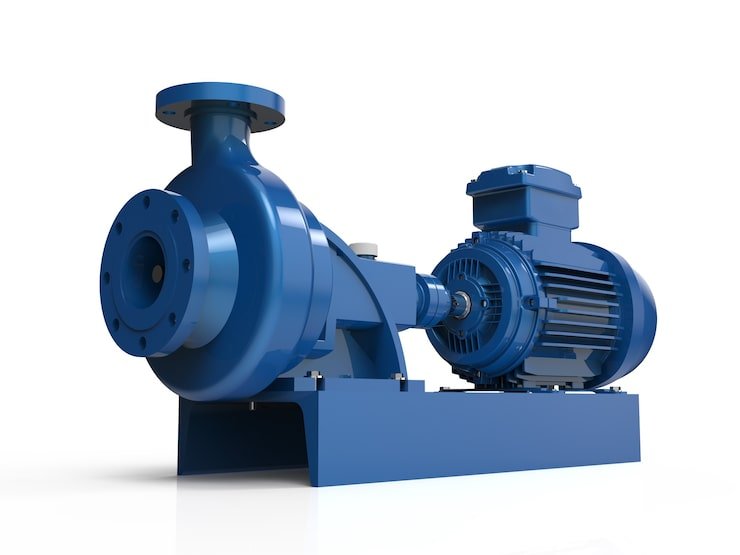
Centrifugal pumps are widely used because they can efficiently handle substantial water volumes across varying pressure requirements. According to the supplied research, centrifugal equipment represents the leading pump type in Brazil, reflecting extensive use in municipal water systems, wastewater treatment, irrigation, and industrial processes.
These detailed market insights demonstrate that established mechanical technologies remain highly relevant even as digital capabilities expand. Reliability, efficiency, maintenance requirements, and suitability for individual operating conditions continue to influence equipment selection.
Agriculture Creates Significant Pumping Requirements
Agriculture is particularly important to Brazil’s water-pump landscape because irrigation depends on reliable water extraction and distribution. The supplied research identifies agricultural modernization and wider irrigation networks as significant opportunities for advanced pumping equipment.
Irrigation applications can require high-capacity pumps capable of operating under different water-source, elevation, and climate conditions. Energy-efficient equipment can become especially valuable where pumps operate frequently or where producers need to manage both electricity expenses and water availability.
Water Scarcity Increases the Importance of Efficient Movement
Brazil has substantial freshwater resources, but water availability varies considerably by location. Drought conditions and regional imbalances can create difficulties for households, agricultural producers, and other users.
The latest market analysis indicates that these geographic differences strengthen the need for pumping infrastructure capable of moving water across substantial distances and elevations. Correct equipment sizing and system design become particularly important because inefficient pumping can increase both energy requirements and operating costs.
Energy Efficiency Is Becoming Part of Water-System Planning
Brazil’s Ministry of Cities provides dedicated resources through its Energy Efficiency Project in Water Supply, known as ProEESA. Its technical materials include guidance specifically focused on evaluating water-pumping systems and identifying technically and economically viable measures for reducing energy consumption. ProEESA’s Energy Efficiency Project in Water Supply
This official initiative provides valuable context for broader industry analysis. Efficient pumps alone cannot guarantee an efficient installation. Motors, controls, hydraulic conditions, system design, maintenance, and operating practices all influence the energy required to deliver water.
Smart Water Technologies Improve Operational Visibility
Digital monitoring is creating new opportunities to manage pumping infrastructure. IoT sensors, automated controls, smart meters, and real-time monitoring systems can provide operators with better information about water levels, demand patterns, leakage, and equipment performance.
The Brazil water pump industry report identifies intelligent water management as an important development, with municipalities increasingly exploring technologies that can reduce operational losses and improve resource utilization. Pumps capable of integrating with these systems can become part of a broader connected-water infrastructure rather than operating as isolated mechanical assets.
Operational Indicators Are Increasingly Important
Brazil’s regulatory framework is also placing attention on measurable water-service performance. ANA’s Reference Standard No. 9/2024 introduced operational indicators covering issues such as intermittent water supply, distribution losses, and the quality of water and wastewater treatment processes.
For a water pump market research report, this is relevant because pumping systems directly influence several aspects of utility operation. Better equipment monitoring and appropriately designed pumping infrastructure can help operators understand performance and support wider efforts to improve service efficiency.
Oil and Gas Requires Specialized Pumping Solutions
Brazil’s oil and gas industry creates another distinct application environment. Offshore and pre-salt operations require pumps capable of working under demanding conditions involving pressure, complex fluids, and potentially corrosive environments. The supplied research identifies oil and gas as the largest end-user segment within the sector.
These requirements differ significantly from municipal water or agricultural applications, illustrating why manufacturers need diversified equipment portfolios rather than relying on a single pumping technology.
Lifecycle Performance Can Guide Equipment Decisions
Initial purchase price is only one part of pump economics. Electricity consumption, maintenance, reliability, operating hours, repair requirements, and expected service life can substantially affect the overall cost of operating equipment.
For Brazilian utilities, farms, and industrial facilities, evaluating pumps from a lifecycle perspective can therefore support more effective investment decisions. Correctly selected equipment combined with suitable controls and preventive maintenance can improve performance without unnecessarily increasing pumping capacity.
Efficiency and Digitalization Are Defining Brazil’s Pumping Priorities
Brazil’s pumping requirements are becoming increasingly connected with water infrastructure development, agricultural modernization, regional water-security challenges, industrial activity, and smarter resource management. Centrifugal pumps continue to provide the foundation for many high-volume applications, while connected monitoring and automated controls are creating additional possibilities for operational optimization.
The direction of the sector increasingly favors pumping systems that combine dependable mechanical performance with efficient operation and greater visibility into system conditions. As water infrastructure and irrigation systems evolve, manufacturers capable of addressing both conventional pumping requirements and digitally connected applications can support Brazil’s changing water-management needs.
Powered by Froala Editor

About the author
Adam Williamson
Contributor to TVL Health by The Viral Lines.
Last updated . If you spot an error, contact our newsroom with the article link and supporting information.