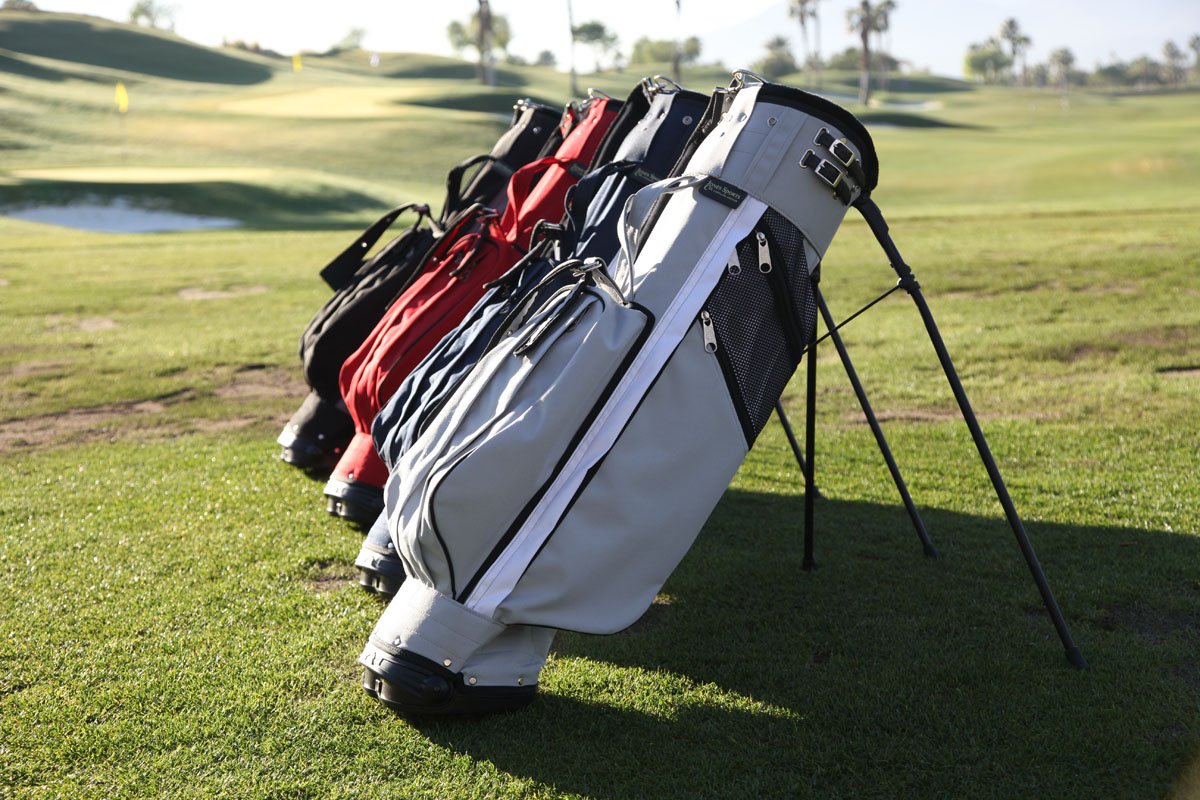
Golf can become an expensive hobby when players regularly purchase new clubs, accessories, balls, and other equipment. Fortunately, golfers do not always need brand-new products to enjoy excellent performance. Second hand golf clubs offer an affordable alternative for beginners, recreational players, and experienced golfers who want to upgrade their equipment without spending too much.
With careful research, shoppers can find quality clubs from respected manufacturers at significantly lower prices. The key involves understanding what to look for, checking equipment condition, and choosing clubs that suit individual playing requirements.
Why Buy Second Hand Golf Clubs?
The biggest advantage of second hand golf clubs is affordability. New equipment often carries premium prices, particularly when manufacturers release updated models. However, previous-generation clubs can still provide reliable performance for years.
Golfers can use the second-hand market to access drivers, fairway woods, hybrids, irons, wedges, and putters at more manageable prices. This approach allows players to spend their budgets strategically rather than replacing an entire golf bag whenever new models appear.
Second-hand equipment also creates opportunities to experiment. A golfer interested in changing their driver or trying a different putter can purchase a pre-owned model without making the same financial commitment required for new equipment.
An Excellent Option for Beginners
New golfers often face uncertainty when choosing equipment. They may not yet understand shaft flex, loft, club length, grip size, or which club designs match their swing.
Buying second hand can reduce the financial pressure associated with learning these preferences. Beginners can start with dependable equipment and gradually upgrade as their skills improve.
This strategy also leaves more money available for lessons, practice sessions, golf balls, and course fees. Developing good technique often provides greater long-term benefits than immediately investing in the newest equipment.
Beginners should prioritize forgiving clubs that make it easier to achieve consistent contact. As their confidence grows, they can make more specific equipment choices based on their playing style.
Inspect the Club's Condition
Condition remains one of the most important factors when purchasing second hand golf clubs. Normal cosmetic marks do not necessarily affect performance, but serious damage can create problems.
Start by examining the clubface. Drivers and irons naturally show marks from regular use, but excessive wear, cracks, or dents deserve attention. Check the sole for significant damage caused by repeated contact with the ground.
The shaft requires careful inspection as well. Look for bends, dents, cracks, or signs of previous repairs. Graphite shafts deserve particular attention because structural damage may compromise their performance and safety.
Golfers should also examine the grips. Worn or hardened grips can reduce comfort and control. Regripping remains possible, but buyers should include that cost when comparing prices.
Match the Clubs to Your Swing
Finding an inexpensive club means little if its specifications do not suit your game. Golfers should consider their swing characteristics and existing equipment before making a purchase.
Shaft flex can influence how a club feels and performs during the swing. Players with different swing speeds may require different flex options. Club length, lie angle, and shaft weight can also affect consistency.
Loft represents another important consideration. Drivers, fairway woods, hybrids, and wedges come in different loft configurations. Choosing the right combination helps golfers create useful distance gaps throughout their bags.
Anyone uncertain about specifications can speak with a professional club fitter. A fitting can provide useful information before purchasing second hand equipment.
Consider Well-Known Golf Brands
The second-hand market includes equipment from many respected manufacturers. Players can often find previous-generation models from brands known for producing drivers, irons, wedges, and putters.
Buying from a recognised brand does not guarantee that a club suits every golfer. However, established manufacturers typically offer extensive information about their products, making it easier to research specifications and compare different models.
Golfers should focus on performance and suitability rather than choosing a club simply because of its logo.
Choose a Trusted Seller
Where you purchase second hand golf clubs matters considerably. Reliable retailers usually provide accurate photographs, detailed descriptions, condition ratings, and clear return policies.
Buyers should avoid listings that provide little information about the club's condition. Extremely low prices can also warrant additional investigation, especially when a seller offers premium equipment without clear photographs or specifications.
A trustworthy seller should explain whether the club has experienced repairs, significant wear, or replacement components. Transparency helps buyers understand the true value of the equipment.
Build Your Golf Bag Gradually
Second hand golf clubs make it easier to build a golf bag according to personal needs. Players do not have to purchase a complete set at once. They can start with essential clubs and add equipment as their game develops.
Experienced golfers can use the same approach when replacing individual clubs. Instead of buying a full new set, they can identify the weakest part of their current bag and search for a suitable replacement.
This strategy can provide better value while allowing golfers to make thoughtful equipment decisions.
A More Sustainable Choice
Buying pre-owned equipment can also support a more sustainable approach to golf. Giving clubs a second life keeps functional products in use for longer and reduces unnecessary replacement.
Golfers can enjoy quality equipment while avoiding the assumption that every new product release requires an immediate upgrade.
Final Thoughts
Second hand golf clubs offer an effective combination of affordability, variety, and flexibility. They can help beginners start playing without excessive costs while giving experienced golfers access to proven equipment at attractive prices.
The most important steps involve inspecting condition, checking specifications, evaluating potential repair costs, and purchasing from a reputable seller. When golfers choose carefully, second-hand equipment can perform exceptionally well and provide years of enjoyment.
Ultimately, the best golf club is not necessarily the newest one. It is the club that matches your swing, supports your goals, fits your budget, and helps you enjoy every round on the course.
Powered by Froala Editor
You may also like
More from this category.

What Should I Look for When Hiring a Wealth Management Company in Dubai?

Future Growth Prospects of the Global Raman Spectroscopy Market
China Smart LED Lighting Market Advancing Automation, Connectivity & Lighting Efficiency

Authorized Mobile Retail Store: 10 Things to Check Before Buying a Smartphone

How CCTV Camera Education Builds Practical Technical Knowledge

Comme des Garçons and Zac Bryan Merch Outfit Inspiration

How to design custom boxes for small business packaging

ISO 45001 Malaysia: A Practical Guide for Construction Companies

Ludo King Alternative: Why Try a Cricket-Based Ludo Game?