Numbing Cream for Tattoos and Tattoo Aftercare Cream: A Complete Guide to a Comfortable Healing Experience
Story details
- Written by
- Carels Buttler
- Published
- Read time
- 6 min
- Reads
- 1
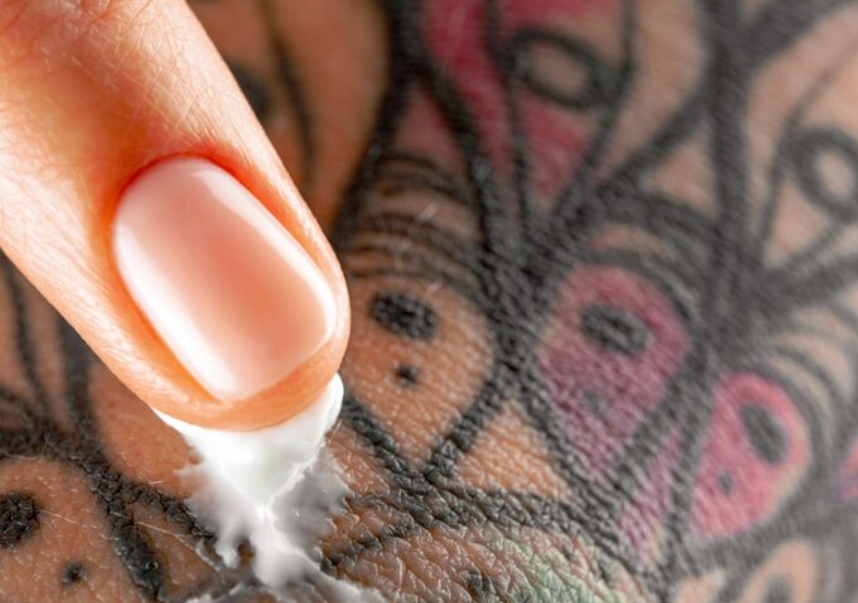
Getting a tattoo is an exciting way to express your personality, commemorate an important moment, or showcase artwork that means something to you. However, the tattooing process involves repeated needle movement over the skin, which can cause varying levels of discomfort. Proper preparation and aftercare can make the overall experience more comfortable and help newly tattooed skin recover properly. Two products commonly discussed in tattoo care are numbing cream for tattoos and tattoo aftercare cream. Although they serve different purposes, both can play a useful role when selected and used appropriately.
Understanding Numbing Cream for Tattoos
A numbing cream for tattoos is a topical product designed to temporarily reduce skin sensation. Depending on its ingredients and formulation, it may help make the tattooing experience more comfortable. People often consider numbing products when getting larger tattoos, tattoos in sensitive areas, or designs that require lengthy sessions.
Numbing creams are generally applied to the skin before tattooing according to the product's instructions. It is important to understand that not every numbing cream is appropriate for tattooing. Products may contain different active ingredients and concentrations, so choosing a product specifically intended for the planned use is important.
Before using a numbing cream for tattoos, carefully read the label and follow the recommended application instructions. Avoid experimenting with excessive amounts or leaving the product on for longer than directed. If you have sensitive skin, allergies, or concerns about a topical ingredient, consider discussing the product with an appropriate healthcare professional before use.
Why People Consider Numbing Products
Pain tolerance varies considerably from one person to another. Some people describe tattooing as mildly uncomfortable, while others experience considerably more sensitivity. The location of the tattoo can also influence the experience. Areas with thinner skin, more nerve endings, or less cushioning may feel more sensitive.
For someone preparing for a long tattoo session, reducing discomfort can make it easier to remain relaxed and still. Staying comfortable may also help the session feel less stressful. However, numbing cream is not a replacement for choosing an experienced tattoo professional or maintaining good communication throughout the appointment.
It is also important to remember that numbing products do not necessarily eliminate all sensation. Their purpose is to reduce sensation temporarily, and individual results can differ.
What Is Tattoo Aftercare Cream?
Once the tattoo session is finished, attention shifts from preparation to healing. This is where tattoo aftercare cream can become an important part of a simple skincare routine. Freshly tattooed skin requires gentle care because the area can be sensitive while it recovers.
A suitable tattoo aftercare cream is generally formulated to moisturize and support the skin barrier. Keeping the area appropriately moisturized can help reduce excessive dryness and discomfort during the healing period. The goal is not to cover the tattoo with a thick layer of product but to apply an appropriate amount according to the product directions.
Tattoo aftercare products can vary significantly. Some contain simple moisturizing ingredients, while others are formulated specifically for freshly tattooed skin. When selecting one, look for a product that is appropriate for sensitive or recovering skin and avoid ingredients that you already know irritate you.
Choosing the Right Tattoo Aftercare Cream
Choosing a tattoo aftercare cream should be based on your skin's needs and the recommendations provided by your tattoo professional. A lightweight product that moisturizes without making the skin feel excessively greasy can be convenient for everyday use.
Fragrance and other unnecessary additives may bother some people, particularly when the skin is sensitive. If you have previously experienced reactions to skincare products, check the ingredient list carefully before applying anything to a new tattoo.
Another important consideration is how much product you use. Applying too much cream can leave the skin heavily coated and uncomfortable. In contrast, using too little may not provide the desired moisturizing effect. A thin, even application is often easier to manage than a thick layer.
Basic Tattoo Aftercare Practices
Cream is only one part of tattoo aftercare. Cleanliness and gentle handling are equally important. Follow your tattoo artist's specific instructions because aftercare recommendations can vary depending on the tattoo, covering method, and individual circumstances.
Wash your hands before touching your tattoo. Keep the area clean according to the instructions you receive, and avoid unnecessary rubbing or scratching. When drying the area, use a gentle approach rather than aggressively rubbing the skin.
Once the tattoo is ready for moisturizing, apply your recommended tattoo aftercare cream in a thin layer. Allow the product to absorb rather than repeatedly touching the tattoo throughout the day.
Avoid Picking or Scratching
As a tattoo heals, the skin may become dry, flaky, or itchy. This can be one of the most challenging stages because scratching or picking at the area can interfere with the healing process.
Instead of scratching, continue following your aftercare routine and use the recommended moisturizer as directed. Loose flakes should generally be allowed to come away naturally. Avoid peeling the skin intentionally, even if you are eager to see the finished appearance.
Protecting Your Tattoo During Healing
Environmental exposure can also affect a healing tattoo. Excessive sun exposure is particularly undesirable for newly tattooed skin. Follow your tattoo professional's advice about keeping the area protected while it heals.
Avoid unnecessary exposure to conditions that could irritate the tattoo. Activities involving prolonged soaking should also be approached carefully during the healing period. Your tattoo artist can provide guidance based on the specific aftercare method being used.
Combining Comfort and Aftercare
The purposes of these two products are very different. A numbing cream for tattoos is generally associated with temporary comfort before or during a tattoo appointment, while a tattoo aftercare cream is intended for skincare after the tattoo has been completed.
Using them as substitutes for one another would not make sense. Numbing cream is not designed to replace post-tattoo moisturizing, and aftercare cream is not intended to provide the numbing effect associated with topical anesthetic products.
A better approach is to treat preparation and healing as two separate stages. Before the appointment, discuss any plans to use a numbing product with your tattoo artist and follow the product's directions carefully. After the session, focus on gentle cleaning, appropriate moisturizing, and protecting the tattoo while it heals.
Final Thoughts
A successful tattoo experience involves more than choosing a beautiful design. Preparing your skin and planning appropriate aftercare can help make the process more comfortable and manageable. For people who are concerned about discomfort, a properly selected numbing cream for tattoos may provide temporary relief when used according to appropriate instructions.
After the tattoo is completed, a quality tattoo aftercare cream can help keep recovering skin moisturized and comfortable. Combined with gentle cleaning, avoiding scratching, and following professional aftercare instructions, it can become an important part of your tattoo care routine.
Remember that every person's skin and tattoo are different. If you notice unusual or worsening symptoms during healing, seek appropriate medical advice. With thoughtful preparation and consistent aftercare, you can give your new tattoo the attention it needs while enjoying the artwork for years to come.
Powered by Froala Editor

About the author
Carels Buttler
Contributor to TVL Health by The Viral Lines.
Last updated . If you spot an error, contact our newsroom with the article link and supporting information.