Kids Books That Read to You: A Fun Way to Encourage Young Readers
Story details
- Written by
- Casanova
- Published
- Read time
- 6 min
- Reads
- 3
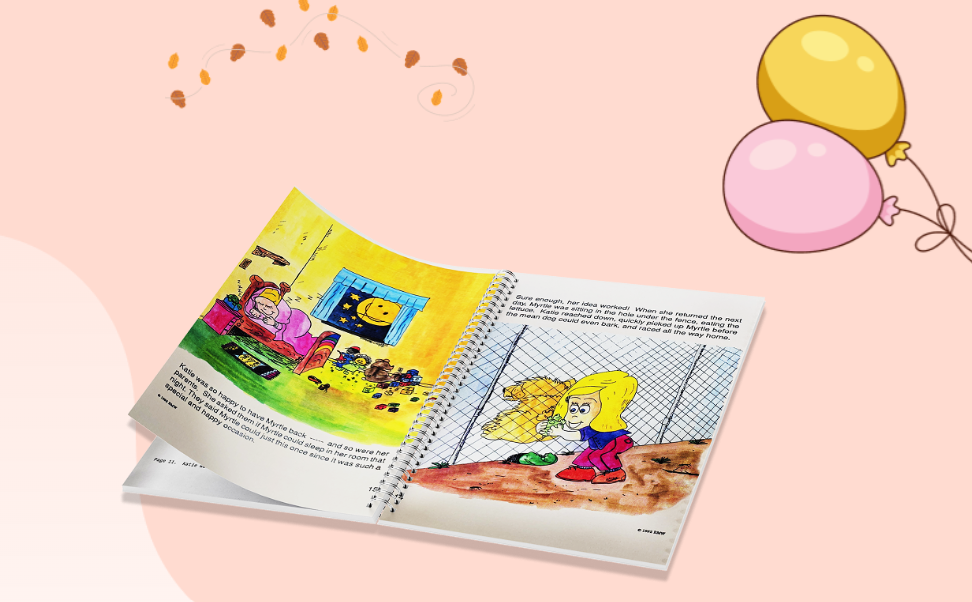
Reading is one of the best habits children can develop, but getting kids excited about books is not always easy. Young children often want something interactive, colorful, and entertaining. This is where kids books that read to you can make a big difference. These books combine storytelling with technology or audio features, allowing children to listen while following along with the words and pictures.
For parents looking for ways to make reading more enjoyable, interactive books can be a useful addition to a child's reading routine. They can support early literacy, improve listening skills, and help children become more comfortable with books. Once parents understand the different types available, it also becomes easier to know where to buy kids books that match a child's age and interests.
What Are Kids Books That Read to You?
Kids books that read to you are children's books designed to provide an audio reading experience. Depending on the type of book, a child may press a button, scan a code, use a reading pen, or open an app to hear the story being read aloud.
Some books include built-in sound buttons, while others work with special electronic devices or mobile applications. There are also audiobook versions of traditional children's stories that allow children to listen without needing to hold a physical book.
The main idea is simple: children can hear the words while looking at the illustrations and following the story.
This can make reading feel more like an activity than a lesson.
Why Interactive Reading Books Are Helpful
Children learn in different ways. Some enjoy sitting quietly and looking at pictures, while others respond better to sounds, movement, and interaction. Books that include narration can appeal to children who enjoy listening.
Hearing stories regularly can help children become familiar with sentence structure, pronunciation, vocabulary, and storytelling patterns. When a child follows along with the printed words, the experience can also help connect spoken language with written language.
Parents can make the experience even more valuable by sitting with their child and discussing the story.
For example, after listening to a story about an animal going on an adventure, a parent might ask, “What do you think the rabbit will do next?” Simple questions like this encourage children to think about characters, events, and emotions.
Benefits of Kids Books That Read to You
One of the biggest benefits is convenience. Parents may not always have enough time to read every story aloud, especially during busy days. Audio-enabled books can give children another opportunity to enjoy stories independently.
These books may also help with:
- Building vocabulary
- Improving listening skills
- Developing reading confidence
- Encouraging independent learning
- Supporting pronunciation
- Increasing interest in books
- Making story time more engaging
- Helping children develop regular reading habits
They should not necessarily replace parents reading with their children. Instead, they can complement traditional reading and give children more ways to experience stories.
Choosing the Right Book for Your Child
When searching for kids books that read to you, consider your child's age first. A book that works well for a preschooler may not be interesting enough for an older child.
For toddlers, look for books with simple words, bright illustrations, repetition, and interactive sounds. Animal stories, bedtime stories, counting books, and simple adventures are often good choices.
For preschool and early elementary children, look for stories with slightly longer plots, interesting characters, and vocabulary that introduces new words without becoming overwhelming.
Older children may prefer chapter books, mysteries, fantasy adventures, science topics, or stories connected to their hobbies.
It is also useful to check how the audio feature works. Some books have simple buttons, while others require an external device or smartphone. Choose an option that is easy for both the child and parent to use.
Where to Buy Kids Books
Parents have many options when deciding where to buy kids books. The best choice depends on the type of book, the child's age, and whether you want new, used, physical, or digital books.
Local Bookstores
Independent bookstores can be excellent places to discover children's books. Many have dedicated children's sections where parents can browse books in person.
The advantage of shopping locally is that you can look at the illustrations, check the size of the text, and see whether the story is appropriate before buying it.
Some bookstores also host children's reading events, which can make books feel like a bigger part of a child's community.
Public Libraries
Libraries are another great resource for children's books. While you may not be purchasing books, libraries allow families to explore many titles before deciding which books are worth buying.
Children can try different authors, subjects, and reading levels without parents having to purchase every book.
Libraries may also offer audiobooks and digital children's books, giving families another way to explore narrated stories.
Online Bookstores
Online bookstores provide a huge selection of children's books. Parents can search by age, reading level, subject, author, or format.
When shopping online, pay attention to the product description. If you specifically want a book that reads aloud, confirm whether it has built-in audio, requires a separate reading device, or includes access to an audio version.
Customer reviews can also provide useful information about durability, sound quality, and whether children actually enjoy using the book.
Secondhand Book Shops
Used bookstores, thrift shops, library sales, and community book sales can be affordable places to build a children's home library.
Traditional picture books are especially easy to find secondhand. Interactive books require a little more attention because batteries, sound buttons, codes, or electronic accessories may not always be included or functional.
If buying a used interactive book, check that all required components are present.
Make Reading Interactive
Even the most advanced book cannot replace a child's curiosity. Parents can make story time more engaging by asking questions, pointing at pictures, making character voices, or encouraging children to predict what happens next.
For example, before turning a page, ask your child what they think will happen. After the story, ask which character they liked best.
These small conversations turn passive listening into active learning.
Children can also be encouraged to retell the story using their own words. They might draw a picture of their favorite scene or create a different ending. Activities like these help children connect reading with creativity.
Create a Regular Reading Routine
Having access to kids books that read to you is helpful, but consistency matters even more. Try creating a regular reading routine that fits naturally into your family's schedule.
Some families prefer reading before bedtime. Others enjoy a story after breakfast or during a quiet afternoon.
Even a short daily session can help children become familiar with books. The goal does not have to be finishing an entire story every time. What matters is creating positive experiences around reading.
Keep a small collection of books where children can easily reach them. Let them choose what they want to hear or read whenever possible. Giving children some control can make them more interested in the activity.
Building a Child's Home Library
Knowing where to buy kids books is only the first step. The real value comes from creating a collection that children want to return to.
Include different types of stories, such as picture books, funny stories, adventure books, educational titles, fairy tales, poetry, and books about everyday experiences. As children grow, update the collection to match their changing interests and reading abilities.
Kids books that read to you can be particularly useful when children are developing their early reading habits. They provide the comfort of narration while introducing children to printed words, illustrations, characters, and stories.
Whether you shop at a local bookstore, visit a library, browse online, or find affordable secondhand books, there are plenty of ways to give children access to engaging stories.
Most importantly, make reading enjoyable. When children associate books with curiosity, imagination, laughter, and time with family, they are more likely to develop a lifelong love of reading.
Powered by Froala Editor

About the author
Casanova
Contributor to TVL Health by The Viral Lines.
Last updated . If you spot an error, contact our newsroom with the article link and supporting information.