How Can You Reusing Plastic Bags?
Story details
- Written by
- Sheri Butler
- Published
- Read time
- 7 min
- Reads
- 14
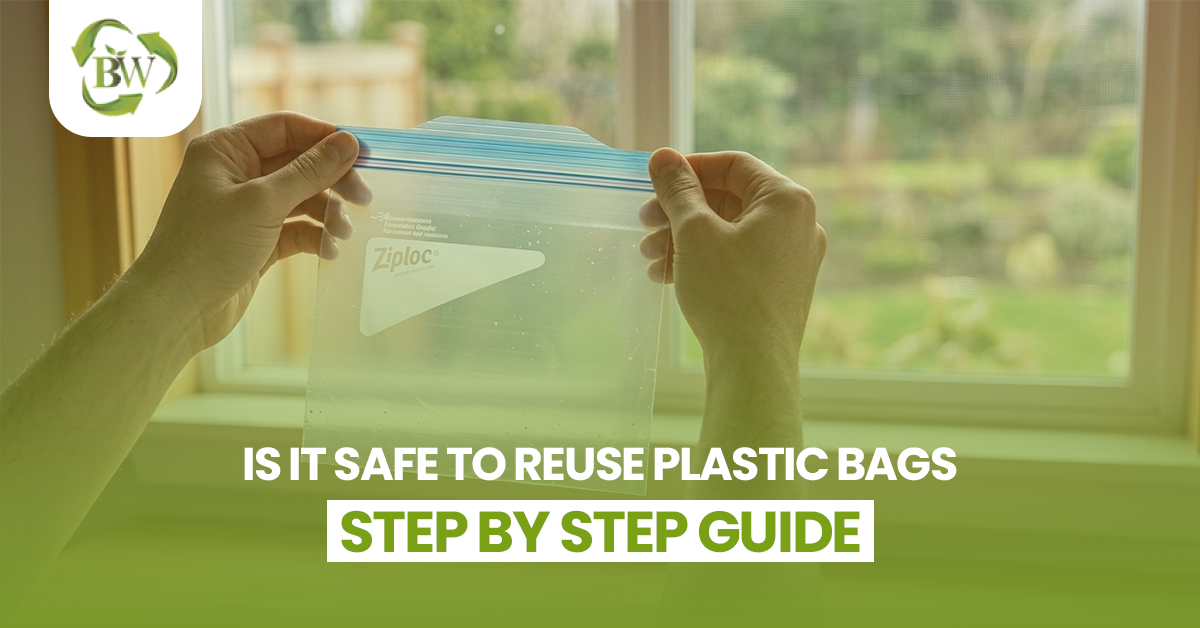
Plastic bags are part of everyday life. People use them for groceries, food storage, travel, organizing household items, and much more. However, millions of plastic bags are thrown away after only one use, creating unnecessary waste and environmental pollution. This is why many households are now focusing on reusing plastic bags instead of constantly buying disposable replacements.
The good news is that plastic bags can often be reused safely and effectively with proper cleaning and storage methods. From grocery bags to food storage bags, simple reuse habits can reduce waste, save money, and support a cleaner environment.
In this article, we will explore practical and easy ways of reusing plastic bags, cleaning them properly, and making them part of a more sustainable lifestyle.
Why Reusing Plastic Bags Matters
Plastic pollution has become one of the biggest environmental challenges worldwide. Disposable bags often end up in landfills, rivers, and oceans where they can take hundreds of years to break down.
Many people are now trying to reduce their environmental impact by making small changes in daily routines. One simple change is reusing plastic bags whenever possible.
Benefits of plastic bag reuse include:
Reducing household waste
Saving money on disposable products
Lowering plastic pollution
Reducing landfill waste
Encouraging sustainable habits
Even small efforts can make a difference when practiced consistently over time.
Reusable habits also help families become more conscious about waste management and eco-friendly living.
Not all plastic bags are the same. Some are designed for single use, while others are stronger and suitable for multiple uses.
Grocery Bags
Traditional grocery bags can be reused for:
Trash liners
Pet waste cleanup
Packing items
Shoe storage during travel
Organizing household supplies
Food Storage Bags
Many people reuse food storage bags for dry snacks, sandwiches, or leftovers after cleaning them carefully.
Freezer Bags
Heavy-duty freezer bags are usually more durable and can survive repeated use if cleaned properly.
Reusable Silicone Bags
Silicone bags are becoming increasingly popular because they are durable, washable, and environmentally friendly.
Understanding the type of bag helps determine how safely and effectively it can be reused.
Cleaning plastic bags properly is essential for hygiene and safety. Bags used for food storage especially need careful cleaning to prevent bacteria growth.
Hand Washing
Hand washing is one of the safest methods for cleaning reusable bags.
Steps include:
Turn the bag inside out if possible
Use warm water and mild soap
Gently scrub all surfaces
Rinse thoroughly
Allow the bag to air dry completely
Many people use a washing bag setup or drying rack to help bags dry faster.
Dishwasher Cleaning
Some reusable storage bags are dishwasher safe. Placing them on the top rack may help sanitize them more effectively.
Always check the manufacturer's instructions before dishwasher cleaning.
Air Drying
Proper drying is extremely important. Trapped moisture can create odors, mold, and bacteria buildup.
Some households use a washer bag holder or drying system to improve airflow during drying.
Although reusing bags is helpful, improper cleaning or handling can create problems.
Reusing Bags That Held Raw Meat
Bags containing raw meat or seafood should generally not be reused because harmful bacteria can remain inside.
Storing Bags While Wet
Moisture trapped inside bags encourages mold growth and unpleasant smells.
Using Harsh Chemicals
Strong cleaners may damage the plastic and leave chemical residue behind.
Ignoring Small Tears
Damaged bags should not be reused for food storage because they may leak or collect bacteria.
Overheating Bags
High temperatures may weaken some plastic materials and shorten their lifespan.
Proper cleaning and careful handling help reusable bags remain safe and useful for longer periods.
Plastic bags can serve many purposes around the home besides food storage.
Organizing Small Items
Plastic bags are useful for organizing:
Cables
Batteries
Makeup items
Office supplies
Craft materials
Travel Packing
Bags help separate toiletries, shoes, wet clothes, and electronics during travel.
Protecting Documents
Plastic bags can help protect papers and electronics from water damage.
Gardening Uses
Some people use reused bags for seed storage or temporary plant protection.
Donation and Storage
Clean bags are useful for packing donations, storing seasonal decorations, or organizing closets.
Simple household reuse ideas can significantly reduce unnecessary waste.
Washing plastic bags correctly is necessary for maintaining hygiene and extending usability.
Food particles left inside bags can cause:
Odors
Mold
Bacterial growth
Sticky residue
People who regularly practice washing plastic bags often develop simple routines that make cleaning easier and faster.
Warm water, gentle soap, and proper drying are usually enough for most reusable food bags.
Some people also use reusable cleaning bags for kitchen appliances to organize cleaning tools and reusable storage items more effectively.
Good cleaning habits encourage long-term reuse instead of frequent disposal.
One common question people ask is: are ziploc bags recyclable?
The answer depends on local recycling systems. Many curbside recycling programs do not accept plastic storage bags because they can jam recycling machines.
However, some grocery stores and retail locations offer drop-off bins specifically designed for soft plastic recycling.
When researching whether can ziploc bags be recycled in your area, check local recycling guidelines carefully.
Before recycling:
Remove food residue
Ensure bags are dry
Separate damaged bags from reusable ones
Clean and dry bags are more likely to be accepted by recycling programs.
Many households practice washing ziploc bags to reduce plastic waste and save money.
Reusable storage bags can often survive multiple uses if cleaned carefully and used for low-risk foods like:
Crackers
Fruits
Sandwiches
Dry snacks
Vegetables
However, bags used for greasy foods or raw meat should usually not be reused.
Some people use a reusable plastic bags washer system to make cleaning and drying more convenient.
These systems help:
Keep bags open while drying
Improve airflow
Reduce trapped moisture
Organize multiple bags during cleaning
Convenient cleaning methods make reusable habits easier to maintain.
Reducing single-use plastic waste has important environmental advantages.
Benefits include:
Less Landfill Waste
Reusable habits reduce the number of bags thrown away each year.
Lower Pollution
Fewer discarded bags means less plastic entering oceans and waterways.
Reduced Resource Consumption
Manufacturing new plastic products requires energy and raw materials.
Encouraging Sustainable Habits
Small environmentally friendly habits often lead to larger sustainable lifestyle changes.
Even simple reuse routines contribute to long-term environmental protection.
Proper storage helps reusable bags stay clean and organized.
Store Bags Completely Dry
Never seal or fold bags while wet.
Separate Food and Non-Food Bags
Avoid mixing cleaning bags with food storage bags.
Use Organized Storage Containers
Dedicated drawers, bins, or hanging systems help keep bags neat and accessible.
Inspect Bags Regularly
Throw away damaged or worn-out bags when necessary.
A proper bag wash routine combined with organized storage helps reusable bags last much longer.
Although reusing disposable plastic bags is helpful, investing in durable reusable options can provide even greater environmental benefits.
Popular reusable options include:
Silicone food bags
Heavy-duty freezer bags
Cloth produce bags
Reusable snack pouches
These products are usually designed to withstand repeated washing and long-term use.
Some households combine reusable containers with reusable bags for maximum waste reduction.
Using durable products often makes cleaning easier and reduces overall plastic consumption.
Many people want to reduce waste but stop reusing bags because cleaning feels inconvenient.
Simple tools and routines make eco-friendly habits easier to maintain.
For example:
Drying racks
Organized cleaning stations
Airflow drying systems
Easy storage solutions
can encourage consistent reuse.
A clean plastic bag that is properly washed and dried is much more likely to be reused again instead of thrown away.
Convenience plays a major role in creating long-term sustainable habits.
As environmental awareness continues growing, reusable storage products are becoming more advanced.
Future trends may include:
Stronger eco-friendly materials
Improved dishwasher-safe bags
Faster drying systems
Better recycling programs
Smarter reusable kitchen storage solutions
Consumers increasingly prefer products that combine convenience with sustainability.
Reusable storage solutions will likely continue improving as more households adopt environmentally conscious lifestyles.
Final ThoughtsLearning proper methods for reusing plastic bags can help reduce waste, save money, and support a more sustainable lifestyle. Although plastic bags are often treated as disposable, many can safely be reused with proper cleaning and drying methods.
Simple habits like washing bags carefully, storing them properly, and recycling damaged bags responsibly can make a meaningful difference over time.
Whether using grocery bags, freezer bags, or food storage bags, creating a consistent cleaning routine helps reusable habits become easier and more practical. With better awareness and proper care, households can reduce unnecessary waste while maintaining convenience in everyday life.
Powered by Froala Editor

About the author
Sheri Butler
Contributor to TVL Health by The Viral Lines.
Last updated . If you spot an error, contact our newsroom with the article link and supporting information.