Headless Commerce vs. Traditional Architecture: Is It Worth the Investment for Growing Brands?
Story details
- Written by
- eratecsolution
- Published
- Read time
- 3 min
- Reads
- 6
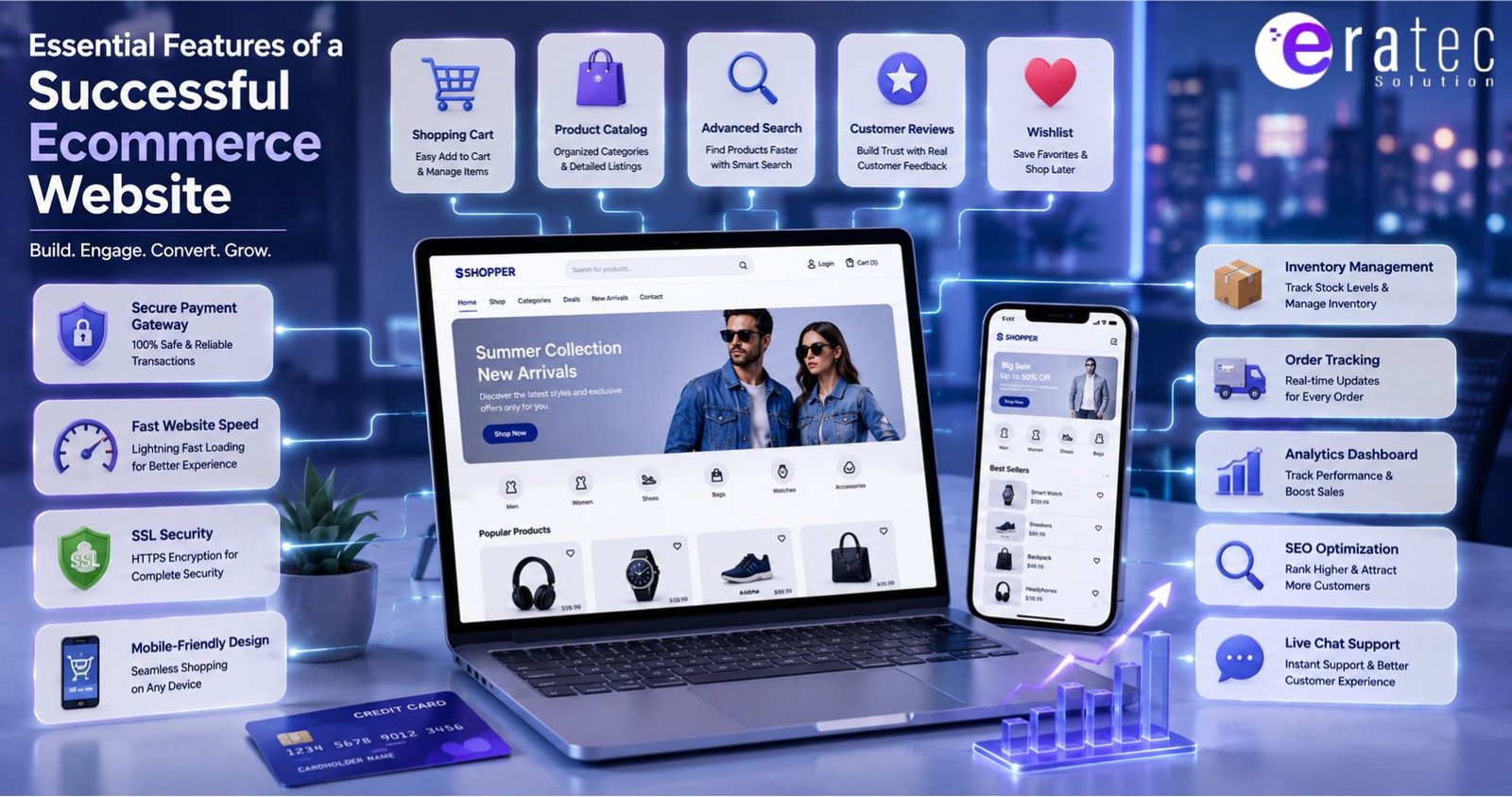
In the rapidly evolving digital retail landscape, your choice of website architecture isn't just a technical detail—it is the backbone of your revenue, user experience, and long-term scalability.
For years, traditional (monolithic) platforms like standard Shopify, WooCommerce, and older Magento setups were the gold standard. They offered everything out of the box: a pre-built frontend, an administrative backend, and a unified database.
However, as growing brands hit performance ceilings and demand hyper-personalized, ultra-fast shopping experiences across multiple devices, Headless Commerce has emerged as the premier alternative.
The question remains: Is headless commerce actually worth the higher initial investment for growing brands, or is traditional architecture still enough?
1. What is the Difference? (Decoupled vs. Monolithic)
To make an informed decision, you must first understand how these two architectures differ structurally:
Traditional (Monolithic) Architecture: The front end (what the customer sees) and the back end (where inventory, payments, and order logic live) are tightly bound together in a single code base. If you want to change how a product page displays, you often have to touch code that interacts directly with the database or backend systems.
Headless Commerce Architecture: The presentation layer (the "head") is decoupled from the backend logic (the "body"). They communicate strictly through application programming interfaces (APIs). This means developers can build a lightning-fast React or Next.js front end while using a powerful headless engine (like Shopify Plus, Commerce Layer, or Commercetools) to handle core business logic in the background.
4. The Hidden Costs & Challenges of Headless
Despite its advantages, going headless isn't a one-size-fits-all magic bullet. Growing brands must account for real challenges before committing:
Higher Initial Development Costs: Because you are building a custom frontend from scratch, development cost is significantly higher than buying a pre-made $100 theme.
Increased Technical Complexity: Instead of managing one unified admin dashboard, your team manages multiple API connections, CMS layers (like Storyblok or Sanity), and custom front-end frameworks.
Dependence on Skilled Developers: Non-technical team members can no longer rely on simple drag-and-drop page builders unless a headless CMS is specifically integrated into the stack.
5. Is It Worth the Investment for Your Brand?
To evaluate ROI, assess where your business stands today:
Stick with Traditional Commerce If:
Your annual online revenue is under $1M–$2M.
Your current site loads in under 2.5 seconds and converts visitors reliably.
You don't have a dedicated technical team or ongoing developer support.
Standard platform themes easily fulfill all your marketing and UX design requirements.
Invest in Headless Commerce If:
You are scaling past multi-million dollar annual run rates and outgrowing traditional template boundaries.
You manage multiple sales channels (iOS app, Android app, web store, B2B portal) and need a single source of truth for inventory and content.
Site speed bottlenecks on your monolithic platform are costing you measurable conversion points.
You have access to a skilled development team or partner with an experienced ecommerce website development company in noida to engineer and maintain a robust custom API stack.
Final Verdict
Headless commerce is not an unnecessary luxury—it is a strategic investment in long-term scalability and user experience.
While small stores should stick to traditional platforms to keep operational overhead low, fast-scaling D2C and B2B brands will find that the conversion lifts, speed improvements, and creative freedom of headless architecture far outweigh the initial setup costs. If your brand aims to lead its niche in digital experience, making the leap to headless is one of the smartest infrastructure decisions you can make.
https://www.eratecsolution.com/ecommerce-website-development-services
Powered by Froala Editor
About the author
eratecsolution
Eratec Solution is a premier digital marketing agency in Noida, specializing in Amazon account management, marketplace management services, and e-commerce website development. We provide expert SEO services, social media marketing, and PPC…
Last updated . If you spot an error, contact our newsroom with the article link and supporting information.