Proven Strategies for Growing Your Audience with Audio Content
Story details
- Written by
- clarawhitmoree
- Published
- Read time
- 6 min
- Reads
- 5
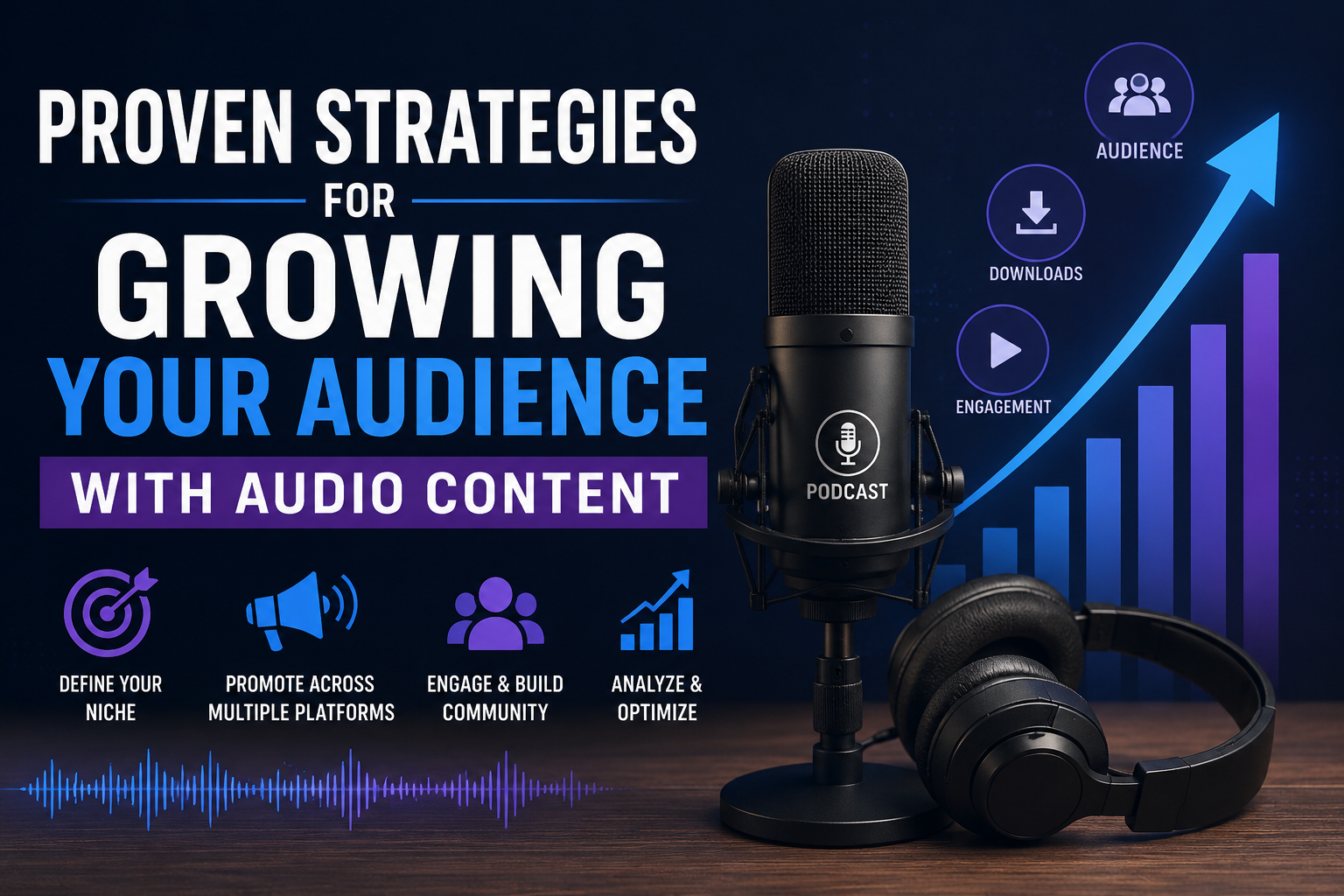
The digital content landscape has changed dramatically over the last decade. While blogs, videos, and social media posts continue to dominate online marketing, audio content has emerged as one of the most effective ways to connect with audiences on a deeper level. Podcasts, audio articles, voice newsletters, live audio rooms, and branded audio experiences have created new opportunities for creators and businesses to build loyal communities.
Unlike visual content, audio fits naturally into people's daily routines. Listeners can consume content while commuting, exercising, working, cooking, or relaxing. This convenience makes audio one of the few content formats that can accompany audiences throughout their day.
However, creating audio content alone is not enough. Thousands of new podcasts and audio channels launch every month, making audience growth increasingly competitive. Success requires a strategic approach that focuses on discoverability, engagement, consistency, and audience retention.
This guide explores proven strategies for growing your audience with audio content and building long-term listener loyalty.
Why Audio Content Is More Powerful Than Ever
Before exploring growth strategies, it's important to understand why audio content continues to gain popularity.
Audio creates a unique sense of intimacy. When listeners hear a voice regularly, they develop familiarity and trust. Unlike written content, audio conveys emotion, personality, and authenticity through tone, pacing, and storytelling.
Additionally, modern consumers face constant visual overload. Screens dominate work, entertainment, and communication. Audio provides a welcome alternative that allows people to learn and engage without looking at another screen.
This combination of accessibility, convenience, and personal connection makes audio content an exceptional tool for audience growth.
Define a Specific Listener Persona
One of the biggest mistakes creators make is trying to appeal to everyone.
Successful audio content starts with a clearly defined listener persona. Instead of targeting broad demographics, identify a specific audience segment and understand their needs.
Ask questions such as:
What challenges do they face?
What topics interest them most?
What type of content do they already consume?
What solutions are they seeking?
When and where do they typically listen to audio content?
For example, a podcast focused on entrepreneurship could target:
First-time startup founders
Freelance professionals
Small business owners
Remote team leaders
Each audience has different needs and expectations.
The more precisely you define your listener profile, the easier it becomes to create content that resonates.
Many audio creators discuss similar topics. The difference lies in presentation.
Your audio identity should distinguish your content from competitors.
Elements of a strong audio identity include:
Distinctive Hosting Style
Consistent Branding
Use consistent intros, outros, music, and messaging across episodes.
Signature Segments
Create recurring segments listeners can anticipate. Examples include:
Weekly audience questions
Expert tips
Industry updates
Success stories
Myth-busting sessions
Unique experiences encourage repeat listening.
Prioritize Content Quality Over Quantity
Publishing more content does not automatically lead to audience growth.
Listeners value quality, clarity, and usefulness far more than frequency alone.
Focus on:
Strong Audio Production
Poor sound quality drives listeners away quickly.
Invest in:
Quality microphones
Noise reduction tools
Proper editing software
Acoustic improvements
Clear Structure
Every episode should have:
A compelling introduction
Organized discussion points
Practical takeaways
A memorable conclusion
Valuable Insights
Avoid repeating information already available everywhere online.
Offer:
Original perspectives
Personal experiences
Expert interviews
Industry observations
Actionable advice
Exceptional content naturally generates word-of-mouth recommendations.
Use Storytelling to Increase Retention
Facts inform audiences, but stories keep them listening.
Storytelling creates emotional engagement and improves information retention.
Effective audio storytelling includes:
Personal Experiences
Share lessons learned from successes and failures.
Customer Stories
Highlight real-world examples of people achieving results.
Narrative Structures
Use classic storytelling frameworks:
Problem
Challenge
Solution
Outcome
Listeners are far more likely to stay engaged when information is delivered through compelling narratives.
Optimize Episode Titles for Discovery
Many creators overlook the importance of discoverability.
Potential listeners often decide whether to click based solely on an episode title.
Strong titles should:
Clearly communicate value
Include relevant keywords
Spark curiosity
Remain concise
Examples:
Instead of:
"Episode 24: Marketing Discussion"
Use:
"5 Marketing Strategies That Doubled Our Customer Growth"
Specific titles attract more attention and improve search visibility.
Leverage Search Engine Optimization for Audio Content
SEO is not limited to written content.
Audio creators can significantly increase visibility through search optimization.
Publish Episode Transcripts
Transcripts help search engines understand episode content and improve accessibility.
Create Supporting Blog Posts
Transform audio discussions into detailed articles that target relevant keywords.
Optimize Metadata
Include keywords in:
Episode titles
Descriptions
Show notes
Tags
Use Topic Clusters
Create multiple episodes around related themes to establish authority in a niche.
Search-friendly content continues attracting listeners long after publication.
Repurpose Audio Into Multiple Content Formats
One audio episode can become dozens of content assets.
Repurposing maximizes reach without requiring additional content creation.
Examples include:
Social Media Clips
Convert key moments into short videos or audiograms.
Blog Articles
Expand episode insights into comprehensive written content.
Email Newsletters
Share episode summaries with subscribers.
Quote Graphics
Turn memorable statements into visual content.
Short-Form Videos
Use audio excerpts with captions for social platforms.
Repurposing ensures your content reaches audiences across multiple channels.
Build an Email Community
Many creators focus exclusively on social media while neglecting email marketing.
An email list provides direct access to your audience without relying on platform algorithms.
Effective strategies include:
Offer Valuable Lead Magnets
Examples:
Checklists
Templates
Guides
Resource libraries
Send Episode Updates
Notify subscribers whenever new content is published.
Share Exclusive Insights
Provide bonus material unavailable elsewhere.
Encourage Two-Way Communication
Invite feedback, questions, and topic suggestions.
An engaged email community often becomes the most loyal segment of your audience.
Collaborate With Other Creators
Collaboration remains one of the fastest ways to reach new listeners.
Strategic partnerships introduce your content to established communities.
Potential collaboration opportunities include:
Guest Appearances
Join other podcasts within your niche.
Expert Interviews
Feature industry specialists on your platform.
Co-Hosted Episodes
Partner with complementary creators.
Cross-Promotion Campaigns
Recommend each other's content.
Choose collaborators whose audiences align closely with your target listeners.
Encourage Listener Participation
Audience growth becomes easier when listeners feel involved.
Interactive experiences increase engagement and strengthen community connections.
Ways to encourage participation include:
Listener Questions
Dedicate segments to audience submissions.
Polls and Surveys
Gather feedback on future topics.
Conclusion
Audio content presents one of the most powerful opportunities for audience growth in today's digital environment. Its convenience, accessibility, and ability to create personal connections make it uniquely positioned to capture attention and build trust.
Success, however, requires more than simply publishing episodes. Sustainable growth comes from understanding your audience, creating exceptional content, optimizing discoverability, leveraging multiple distribution channels, encouraging engagement, and consistently delivering value.
The creators who thrive in the future will be those who view audio not as a standalone medium but as the center of a broader content ecosystem. By implementing these proven strategies, you can attract more listeners, strengthen audience relationships, and establish a loyal community that continues growing over time.
Powered by Froala Editor

About the author
clarawhitmoree
Contributor to TVL Health by The Viral Lines.
Last updated . If you spot an error, contact our newsroom with the article link and supporting information.