ISO 45001 Online Training for Civil Engineers: Building Safer Construction Projects Through Professional Health and Safety Knowledge
Story details
- Written by
- Ias Service
- Published
- Read time
- 9 min
- Reads
- 25
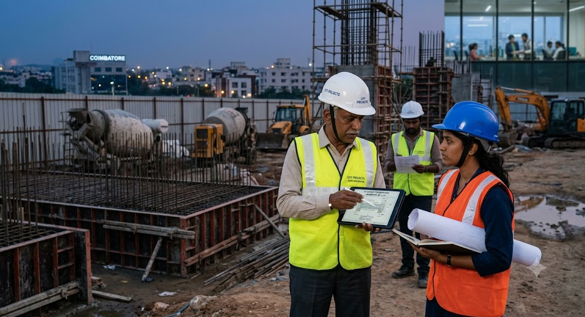
Civil engineering projects shape communities, improve infrastructure, and support economic growth. Every bridge, highway, commercial building, residential complex, industrial facility, and public utility begins with careful planning and professional execution. Yet behind every successful project lies another equally important responsibility—protecting the health and safety of everyone involved.
Civil Engineers oversee activities that involve heavy machinery, excavation work, structural construction, material handling, electrical installations, working at height, confined spaces, and constantly changing site conditions. These responsibilities require more than technical expertise. They demand a thorough understanding of workplace health and safety.
As construction projects become larger and regulations become more comprehensive, professional knowledge of occupational health and safety systems has become an essential part of modern engineering practice.
Why Civil Engineers Play a Key Role in Workplace Safety
Construction sites operate like living systems.
Multiple contractors, subcontractors, suppliers, equipment operators, supervisors, and technical specialists work together every day. Activities often occur simultaneously, making coordination essential for maintaining safe working conditions.
Civil Engineers help organise these activities by supervising site operations, reviewing construction methods, monitoring project progress, coordinating teams, and ensuring work follows approved engineering and safety procedures.
Their decisions directly influence worker safety, project quality, operational efficiency, and regulatory compliance.
Even small oversights may create significant safety concerns. Strong safety management helps reduce those risks while supporting smooth project execution.
Understanding ISO 45001 and Occupational Health and Safety Management
ISO 45001 provides an internationally recognised framework for establishing, implementing, maintaining, and continually improving an Occupational Health and Safety Management System.
The standard encourages organisations to identify workplace hazards, evaluate occupational risks, implement preventive measures, monitor performance, investigate incidents, and promote continual improvement.
Instead of reacting after accidents occur, ISO 45001 focuses on preventing incidents before they happen.
For Civil Engineers, understanding these principles strengthens project planning, improves communication with construction teams, and supports safer working environments throughout every stage of a project.
Managing Safety Risks on Construction Sites
Construction environments change constantly.
New equipment arrives, excavation depths increase, weather conditions shift, subcontractors rotate, and work progresses through different construction phases.
Each change introduces new workplace hazards.
Civil Engineers monitor site conditions carefully by reviewing work permits, inspecting scaffolding, evaluating lifting operations, supervising excavation activities, checking protective equipment, and confirming safe work practices remain effective.
Here’s the thing—successful construction projects depend upon thousands of safe decisions made every day rather than one major safety initiative.
Consistency always matters.
Creating a Strong Safety Culture
Safety procedures become much more effective when employees understand their purpose.
A strong safety culture encourages every worker to recognise hazards, report unsafe conditions, follow established procedures, and participate actively in maintaining workplace safety.
Civil Engineers contribute by providing guidance, conducting toolbox talks, supervising work activities, encouraging open communication, and demonstrating positive leadership through their own behaviour.
Employees who understand why safety matters become more confident when identifying risks and supporting their colleagues.
Over time, these everyday actions create safer construction sites while improving overall project performance.
Improving Compliance and Operational Performance
Construction projects operate within detailed legal and regulatory requirements.
Meeting these obligations requires careful planning, documentation, monitoring, and continuous evaluation.
Civil Engineers review inspection records, maintenance schedules, safety reports, risk assessments, incident investigations, and corrective actions to ensure projects remain compliant throughout construction.
Maintaining organised documentation also simplifies inspections conducted by regulatory authorities and project stakeholders.
You know what?
Strong compliance systems usually improve productivity as well because organised worksites experience fewer disruptions, delays, and unexpected safety incidents.
Developing Professional Health and Safety Skills
As Civil Engineers progress into leadership positions, occupational health and safety knowledge becomes increasingly valuable. Structured training provides practical methods for identifying workplace hazards, evaluating risks, improving operational control, supporting legal compliance, and encouraging continual organisational improvement.
Completing an iso 45001 online training programme helps professionals strengthen their understanding of Occupational Health and Safety, Risk Assessment, Hazard Identification, Workplace Safety, Incident Prevention, Emergency Preparedness, Corrective Actions, and Safety Culture while developing practical skills that improve construction site management.
These capabilities strengthen professional confidence while helping engineers create safer working environments for employees, contractors, visitors, and project stakeholders.
Preparing Construction Projects for Safety Audits
Safety audits become much easier when workplace health and safety activities remain consistent throughout the project.
Civil Engineers support audit preparation by maintaining accurate inspection records, reviewing risk assessments, monitoring corrective actions, verifying equipment maintenance, and ensuring site documentation remains current.
Routine preparation reduces unnecessary pressure because safety evidence already reflects normal project activities.
Instead of making last-minute adjustments before an inspection, construction teams simply demonstrate the systems they follow every day.
This organised approach supports stronger compliance while encouraging continuous improvement across the entire project.
Encouraging Collaboration Across Construction Teams
Construction safety depends upon teamwork.
Project managers, supervisors, contractors, equipment operators, safety officers, engineers, procurement teams, maintenance personnel, and subcontractors all contribute to maintaining safe working conditions.
Civil Engineers encourage collaboration by promoting communication, coordinating activities, clarifying responsibilities, and ensuring everyone understands project safety expectations.
When departments work together effectively, hazards are identified earlier, operational decisions improve, and projects proceed with fewer interruptions.
Strong teamwork creates an environment where workplace safety becomes a shared responsibility rather than the responsibility of one department alone.
Strengthening Workplace Safety Through Continual Improvement
Workplace safety is never a one-time achievement. Every construction project brings new challenges, changing site conditions, different contractors, and evolving operational requirements. As projects progress, new hazards can emerge, making regular evaluation essential for maintaining a safe working environment.
Continual improvement helps Civil Engineers review existing safety measures, analyse workplace incidents, evaluate inspection findings, and strengthen operational controls before problems become more serious.
Sometimes improvement involves introducing new equipment or revised procedures. At other times, it may simply require clearer communication, additional employee awareness, or better planning before work begins.
These consistent improvements help create safer construction sites while supporting project quality, operational efficiency, and long-term business success.
Managing Risks Before They Become Problems
Construction activities involve many potential risks, including working at height, excavation operations, heavy lifting, electrical installations, confined spaces, moving equipment, and changing weather conditions.
Civil Engineers constantly evaluate these risks while coordinating multiple activities across the project.
Regular workplace inspections, equipment checks, safety observations, and documented risk assessments provide valuable information for improving site safety.
Instead of reacting after an incident occurs, organisations benefit from identifying hazards early and implementing suitable control measures.
This practical approach protects employees, reduces project interruptions, and improves confidence among clients, contractors, and regulatory authorities.
Supporting Compliance with Confidence
Health and safety legislation requires organisations to maintain safe working environments and demonstrate responsible management practices.
Civil Engineers contribute by ensuring safety procedures remain current, inspections are completed on schedule, employee training records are maintained, and workplace controls continue operating effectively.
Keeping documentation organised simplifies internal reviews, client inspections, and regulatory assessments.
Honestly, compliance becomes much easier when it is integrated into everyday project management rather than treated as an activity completed only before inspections.
Consistent documentation also provides valuable evidence that supports effective decision-making throughout the project lifecycle.
Leadership That Builds Safer Projects
Technical knowledge alone does not create successful construction projects.
Leadership influences how employees approach workplace safety every day.
Civil Engineers provide direction by setting clear expectations, encouraging communication, supervising work activities, and demonstrating responsible behaviour on-site.
Employees naturally follow leaders who consistently support safe work practices and respond constructively to workplace concerns.
As leadership strengthens, workers become more confident reporting hazards, participating in safety discussions, and suggesting improvements that benefit the entire project.
This positive working environment supports both employee wellbeing and operational excellence.
Creating a Lasting Safety Culture
A strong safety culture develops gradually through consistent actions rather than occasional campaigns.
Employees begin viewing workplace safety as part of their daily responsibilities instead of an additional requirement.
Civil Engineers help establish this culture by conducting regular safety meetings, encouraging teamwork, discussing lessons learned, recognising safe behaviour, and reinforcing established procedures.
Open communication also plays an important role.
When workers feel comfortable raising concerns without hesitation, hazards are identified sooner and corrective actions become more effective.
Over time, these everyday habits contribute to safer projects, stronger employee engagement, and improved organisational performance.
Benefits of ISO 45001 Training
Professional health and safety training provides Civil Engineers with practical knowledge that strengthens technical capability, leadership, and project management performance.
Some important benefits include:
- Better understanding of ISO 45001 requirements.
- Improved knowledge of Occupational Health and Safety principles.
- Stronger Risk Assessment skills.
- Better Hazard Identification capability.
- Improved Workplace Safety management.
- Enhanced Incident Prevention strategies.
- Better planning for Emergency Preparedness.
- Improved management of Corrective Actions.
- Stronger commitment to Continual Improvement.
- Better understanding of Legal Compliance requirements.
- Increased professional credibility.
- Expanded career opportunities across construction, infrastructure, engineering, manufacturing, and industrial sectors.
These practical skills help Civil Engineers create safer workplaces while improving project efficiency and organisational performance.
Why Should You Choose This Certification?
This certification equips Civil Engineers with practical occupational health and safety knowledge that can be applied directly within construction and infrastructure projects.
Participants learn how to identify workplace hazards, conduct risk assessments, evaluate operational controls, investigate incidents, review documented information, support corrective actions, and encourage continual improvement.
The programme also develops leadership, communication, analytical thinking, and decision-making skills that strengthen project management.
By completing this certification, professionals demonstrate their commitment to protecting employees, supporting legal compliance, reducing workplace risks, and improving organisational safety performance.
Why Should You Choose Integrated Assessment Services?
Integrated Assessment Services provides professionally developed training programmes that combine internationally recognised occupational health and safety principles with practical workplace application.
The courses are designed to help participants understand hazard identification, risk evaluation, workplace inspections, documentation requirements, incident investigation, corrective actions, and continual improvement through practical learning experiences.
Experienced trainers explain technical concepts in a clear and structured manner, allowing Civil Engineers to apply their knowledge confidently across a wide variety of construction and engineering projects.
Integrated Assessment Services also focuses on helping professionals strengthen their leadership capabilities while supporting organisations in maintaining effective Occupational Health and Safety Management Systems.
This practical approach enables participants to contribute confidently to safer workplaces, improved compliance, and long-term organisational success.
Conclusion
Construction projects demand careful planning, technical expertise, and responsible leadership. Alongside delivering quality infrastructure, Civil Engineers also carry the responsibility of protecting employees, contractors, visitors, and everyone involved in project activities.
Professional occupational health and safety knowledge strengthens this responsibility by providing structured methods for identifying hazards, evaluating risks, supporting legal compliance, and encouraging continual improvement throughout every stage of construction.
As projects become larger and safety expectations continue to evolve, engineers with recognised occupational health and safety competence will remain valuable contributors across construction, infrastructure, transportation, utilities, manufacturing, and industrial development.
By combining engineering expertise with professional health and safety knowledge, Civil Engineers become stronger leaders who contribute to safer workplaces, better operational performance, greater regulatory confidence, and sustainable project success.
Powered by Froala Editor

About the author
Ias Service
Contributor to TVL Health by The Viral Lines.
Last updated . If you spot an error, contact our newsroom with the article link and supporting information.