Last-Mile Delivery Efficiency with Driver Tracking and Management Systems
Story details
- Written by
- Siraj Timbaliya
- Published
- Read time
- 8 min
- Reads
- 38
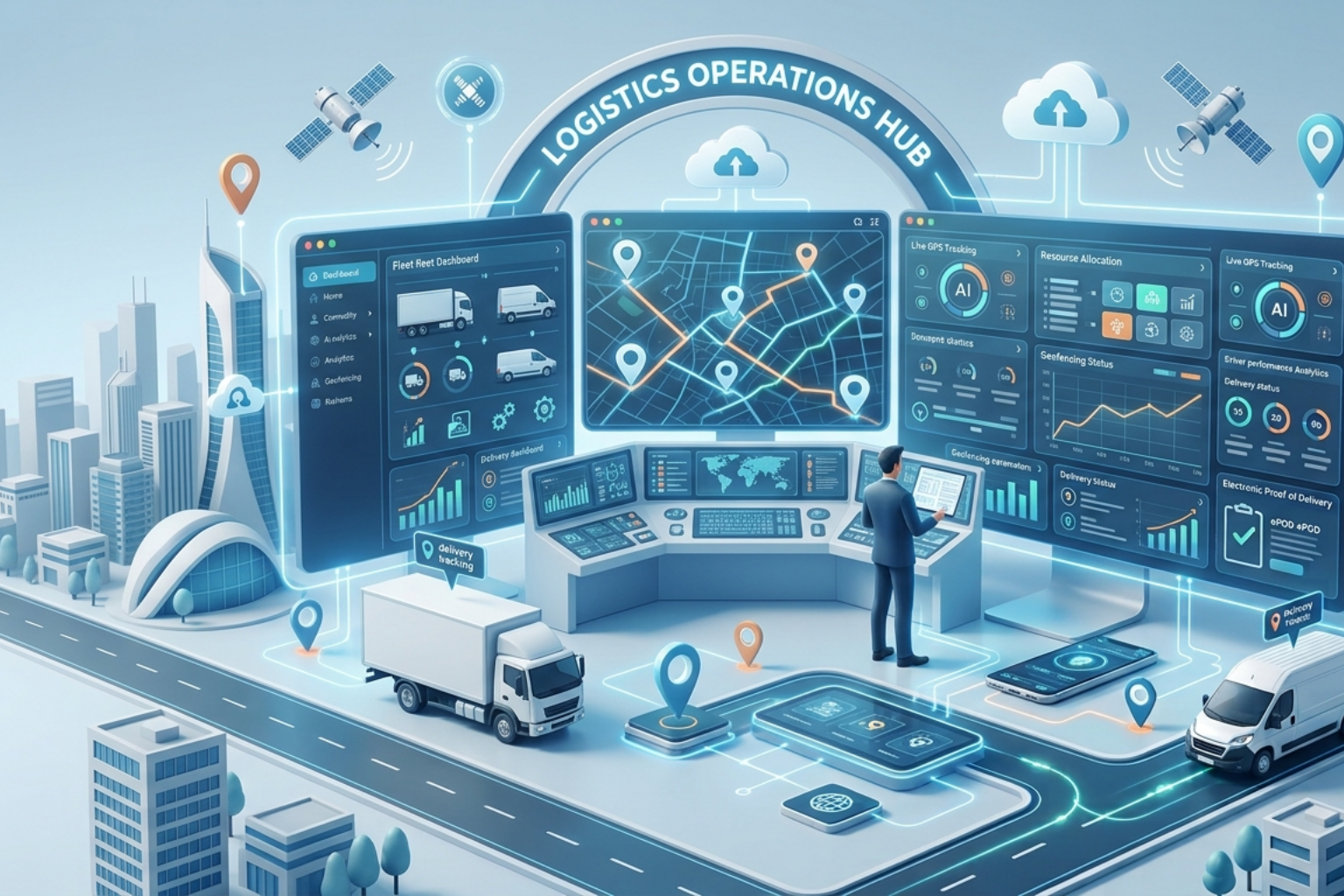
In today's fast-paced logistics industry, customers expect their orders to arrive quickly, accurately, and with complete visibility throughout the delivery journey. As eCommerce, retail, healthcare, and distribution businesses continue to grow, the last mile has become one of the most important and most challenging stages of the supply chain. It is also the most expensive segment, often accounting for more than half of the total shipping cost.
Managing multiple delivery routes, coordinating drivers, responding to traffic conditions, and meeting customer expectations require more than traditional fleet operations. Businesses need intelligent technology that provides real-time insights and enables informed decisions.
This is where Driver Tracking and Management Systems make a significant difference. By combining GPS tracking, route optimization, driver performance monitoring, and automated dispatching, these solutions help logistics companies streamline last-mile operations while improving customer satisfaction and reducing operational costs.
Last-Mile Delivery Challenges
Last-mile delivery refers to the final stage of transporting goods from a distribution center or warehouse to the customer's doorstep. Although it is the shortest leg of the logistics journey, it often presents the greatest operational challenges.
Why Last-Mile Delivery Is the Most Expensive Stage
Several factors contribute to the high cost of last-mile delivery:
Multiple Delivery Stops
Unlike long-haul transportation, last-mile routes involve numerous delivery locations, making scheduling and route planning far more complex.
Traffic Congestion
Urban traffic delays can significantly impact delivery schedules, increasing fuel consumption and reducing the number of deliveries completed each day.
Rising Fuel Costs
Fuel expenses continue to affect logistics budgets, making efficient route planning and optimized driving behavior essential for controlling operational costs.
High Customer Expectations
Today's customers expect same-day or next-day deliveries, accurate delivery windows, and live shipment tracking. Meeting these expectations without the right technology can be difficult.
Common Operational Challenges
Many logistics companies continue to face obstacles that reduce delivery efficiency.
Limited Driver Visibility
Without real-time tracking, dispatchers have little insight into driver locations or delivery progress, making it difficult to respond to unexpected situations.
Inefficient Route Planning
Static routes often fail to account for traffic conditions, road closures, or changing delivery priorities, resulting in longer travel times.
Communication Gaps
Manual communication between drivers and dispatch teams can lead to misunderstandings, delayed deliveries, and customer dissatisfaction.
Paper-Based Delivery Processes
Traditional paperwork slows delivery confirmation, increases administrative work, and creates opportunities for human error.
Inconsistent Driver Performance
Without measurable performance data, identifying training opportunities or rewarding high-performing drivers becomes challenging.
What Are Driver Tracking and Management Systems?
Driver Tracking and Management Systems are advanced software platforms designed to monitor drivers, optimize deliveries, and improve fleet productivity through real-time data and automation.
These systems combine GPS technology, mobile applications, cloud-based analytics, and intelligent scheduling tools to give logistics managers complete visibility over delivery operations.
Core Components of a Driver Tracking and Management System
GPS-Based Driver Tracking
Real-time GPS tracking allows dispatchers to monitor vehicle locations, estimate arrival times, and respond immediately to delays or route deviations.
Mobile Driver Application
Drivers receive delivery assignments, optimized routes, navigation assistance, customer information, and status updates through a centralized mobile app.
Intelligent Route Optimization
AI-powered route optimization evaluates traffic, weather conditions, delivery priorities, and vehicle capacity to recommend the most efficient delivery sequence.
Automated Dispatch Management
Orders can be assigned automatically based on driver availability, proximity, vehicle capacity, and delivery urgency, reducing manual scheduling efforts.
Electronic Proof of Delivery (ePOD)
Digital signatures, photographs, timestamps, and location verification provide immediate confirmation that deliveries have been completed successfully.
Driver Performance Dashboard
Managers can review key metrics such as delivery times, idle hours, fuel efficiency, route compliance, and customer ratings to improve operational performance.
How Driver Tracking and Management Systems Work
Modern delivery management platforms automate nearly every stage of the last-mile process.
Step 1: Order Assignment
Customer orders are automatically assigned to the most suitable driver based on location, vehicle type, availability, and delivery schedules.
Step 2: Route Planning
The system generates optimized delivery routes that minimize travel distance while considering live traffic conditions and delivery priorities.
Step 3: Real-Time Driver Monitoring
Dispatch teams monitor every driver's progress through live GPS tracking, enabling them to quickly address delays or unexpected disruptions.
Step 4: Customer Notifications
Customers receive automated notifications, estimated arrival times, and live tracking updates, improving transparency throughout the delivery journey.
Step 5: Electronic Delivery Confirmation
Upon delivery, drivers capture digital signatures or photographs using their mobile devices. Delivery records are instantly updated within the system, eliminating paperwork and accelerating billing processes.
Step 6: Performance Reporting
Managers gain access to detailed analytics covering delivery efficiency, route performance, fuel usage, driver productivity, and customer satisfaction. These insights support continuous operational improvement.
Why Businesses Are Investing in Driver Tracking Technology
The rapid growth of online shopping and same-day delivery services has transformed customer expectations. Businesses that rely on manual coordination often struggle to keep pace with increasing delivery volumes and tighter service-level agreements.
Modern Driver Tracking and Management Systems do much more than simply track drivers. They help businesses automate routine tasks, simplify daily operations, and make faster, data-driven decisions with real-time insights. When integrated with Fleet Management Software and Last-Mile Delivery Software, these solutions create a unified logistics ecosystem that improves operational visibility, enhances delivery efficiency, and supports long-term business growth.
Key KPIs to Measure Last-Mile Delivery Success
Tracking the right Key Performance Indicators (KPIs) helps logistics businesses evaluate delivery performance, identify inefficiencies, and continuously improve operations.
On-Time Delivery Rate
Measures the percentage of deliveries completed within the promised delivery window. A consistently high on-time delivery rate reflects efficient route planning and effective driver management.
First-Attempt Delivery Success
This KPI indicates how many deliveries are successfully completed on the first attempt. Higher first-attempt success reduces operational costs and improves customer satisfaction.
Average Delivery Time
Monitoring the average time required to complete deliveries helps businesses identify bottlenecks and optimize delivery routes.
Driver Utilization
Driver utilization measures how efficiently drivers spend their working hours. Reducing idle time and balancing workloads can significantly improve fleet productivity.
Cost Per Delivery
Understanding the total cost of each delivery, including fuel, labor, maintenance, and administrative expenses, helps businesses improve profitability.
Fuel Consumption
Monitoring fuel usage allows fleet managers to identify inefficient driving behaviors and optimize routes to lower operating costs.
Customer Satisfaction Score (CSAT)
Customer feedback provides valuable insights into delivery quality, communication, and overall service experience.
Delivery Accuracy
Tracking successful deliveries without errors, damaged goods, or incorrect shipments helps maintain customer trust and brand reputation.
Best Practices for Maximizing Last-Mile Delivery Efficiency
Technology alone cannot guarantee success. Businesses should also implement operational best practices that complement their Driver Tracking and Management Systems.
Optimize Routes Daily
Delivery routes should be updated regularly based on traffic conditions, weather, delivery priorities, and customer locations.
Monitor Drivers in Real Time
Real-time monitoring enables dispatchers to respond immediately to delays, breakdowns, or unexpected route changes.
Automate Dispatching
Automated dispatch reduces manual scheduling errors while assigning deliveries to the most suitable drivers based on location and availability.
Use Electronic Proof of Delivery (ePOD)
Replacing paper-based delivery confirmations with digital signatures, photos, and timestamps speeds up invoicing while improving accountability.
Train Drivers Regularly
Driver training programs focused on safe driving, fuel-efficient practices, and customer service contribute to higher delivery performance.
Analyze Performance Reports
Reviewing operational reports helps businesses identify trends, improve resource allocation, and make data-driven decisions.
Integrate Logistics Systems
Connecting Driver Management Software with ERP, Warehouse Management Systems (WMS), Transportation Management Systems (TMS), and CRM platforms creates a unified logistics ecosystem with seamless data flow.
Why Custom Logistics Software Development Matters
Every logistics business operates differently. While off-the-shelf software may address basic requirements, growing organizations often need customized solutions tailored to their workflows, business rules, and integration needs.
Custom Logistics Software Development enables businesses to:
Build scalable logistics platforms.
Integrate existing ERP, WMS, CRM, and TMS systems.
Automate repetitive operational tasks.
Improve real-time visibility across the supply chain.
Customize driver workflows and dispatch processes.
Generate advanced analytics and reporting.
Enhance data security and regulatory compliance.
Adapt quickly to changing business requirements.
Partnering with an experienced software development company ensures that logistics solutions align with long-term operational goals rather than forcing businesses to adapt to rigid software limitations.
Future Trends in Driver Tracking and Last-Mile Delivery
The logistics industry continues to evolve as emerging technologies reshape delivery operations.
AI-Powered Dispatching
Artificial intelligence will further automate dispatch decisions by considering real-time traffic, driver availability, delivery priorities, and customer preferences.
IoT-Enabled Fleet Monitoring
Connected sensors will provide continuous visibility into vehicle health, cargo conditions, and fleet performance.
Predictive Maintenance
Machine learning algorithms will identify maintenance needs before breakdowns occur, reducing downtime and repair costs.
Electric Vehicle Fleet Management
As organizations transition to electric delivery fleets, software platforms will optimize charging schedules, battery usage, and route planning.
Advanced Delivery Analytics
Businesses will increasingly rely on predictive analytics to forecast delivery demand, improve workforce planning, and optimize logistics operations.
Cloud-Based Logistics Platforms
Cloud technology will continue enabling centralized access to logistics data, improving collaboration across dispatchers, drivers, warehouses, and customers.
Enhanced Customer Visibility
Future delivery systems will provide even more accurate ETAs, live delivery tracking, proactive notifications, and personalized delivery experiences.
Conclusion
Last-mile delivery has become one of the most critical factors influencing customer satisfaction, operational efficiency, and business growth. As delivery expectations continue to rise, organizations need intelligent technology that provides complete visibility, streamlines workflows, and enables faster decision-making.
Driver Tracking and Management Systems empower businesses to optimize routes, monitor drivers in real time, automate dispatching, reduce operational costs, and improve delivery performance. When integrated with Last-Mile Delivery Software, Fleet Management Software, and custom Logistics Software Development, these systems create a connected logistics ecosystem that supports long-term scalability and continuous improvement.
Businesses looking to modernize their logistics infrastructure should consider partnering with SSTech System for custom logistics software solutions. Their expertise in logistics software development helps organizations build scalable, intelligent, and future-ready platforms that improve last-mile delivery performance.
Powered by Froala Editor

About the author
Siraj Timbaliya
Contributor to TVL Health by The Viral Lines.
Last updated . If you spot an error, contact our newsroom with the article link and supporting information.