How to Set Up a Business in Dubai – Step-by-Step Process
Story details
- Written by
- williamgallegos
- Published
- Read time
- 7 min
- Reads
- 15
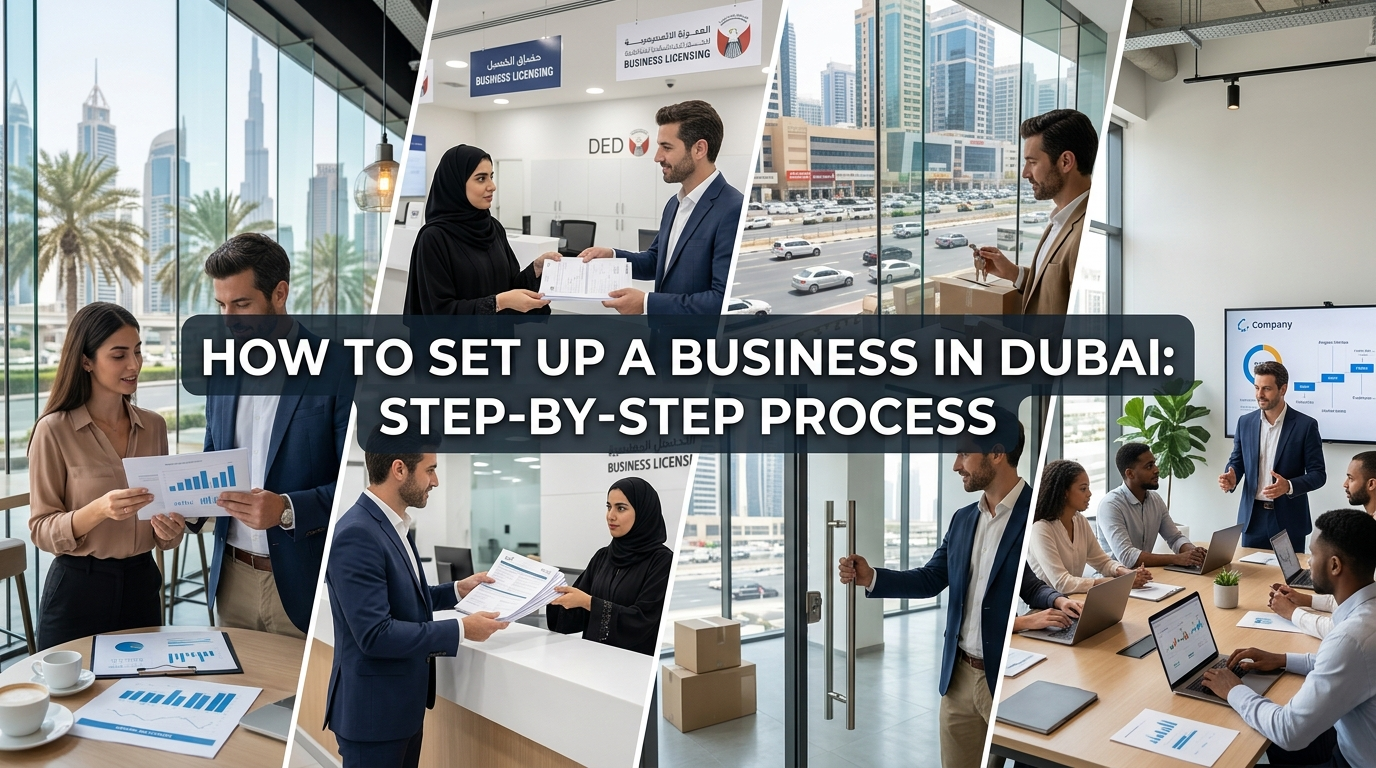
Setting up a business in Dubai is simpler than it sounds, and the entire process can be done remotely in many cases. This guide walks you through every step, from picking the right business structure to getting your trade licence and opening a bank account. DMCC is Dubai’s most established Free Zone and a nine-time Global Free Zone of the Year, home to over 26,000 companies. It offers 100% foreign ownership, 0% personal income tax, and a fully digital setup process that can be completed in as little as 7 to 10 working days.
Why Dubai Is a Global Business Hub
Dubai attracts thousands of foreign entrepreneurs annually with its strategic location, zero personal income tax, and streamlined business setup dubai procedures. The city offers world-class infrastructure, a business-friendly environment, and access to regional and international markets. Whether you are a startup founder, consultant, trader, or established company looking to expand, Dubai provides multiple options to establish your presence efficiently.
Step 1: Select the Company Structure and Activity
The first step is to identify your business activity and choose the right company structure. Your activity determines the type of licence you need, the legal structures available, and any additional approvals required. Dubai offers several legal structures, including:
- Mainland LLC: Allows you to operate anywhere in the UAE and is ideal for businesses targeting the local market.
- Free Zone Company: Offers 100% foreign ownership and is restricted to operating within the free zone or internationally.
- Offshore Company: Suitable for international trading, holding assets, or managing investments outside the UAE.
- Sole Proprietorship: For individual professionals or small service providers.
Common licence types include commercial, professional, industrial, media, e-commerce, and consultancy licences.
Step 2: Choose Between Mainland, Free Zone, or Offshore
One of the most important decisions is whether to register on the mainland, in a free zone, or as an offshore company.
Mainland Licence
A mainland licence is issued by Dubai’s Department of Economy and Tourism (DET) and allows your company to operate anywhere in the UAE, with no geographical limitations. This is the better option if you want to serve customers across Dubai and the UAE directly, open a retail shop, restaurant, clinic, or beauty salon, or need a street-facing space in a busy commercial area. Mainland licensing also gives you access to a wider selection of commercial spaces, including office towers, ground-floor retail shops, and warehouses.
Free Zone Licence
A free zone licence is issued by a specific free zone authority such as DMCC, DAFZA, DIFC, or Tecom and restricts your business activity to within that zone or international markets. You generally cannot sell directly to the local UAE market unless you work with a distributor or open a mainland branch. Free zones often include bundled office space and can be cheaper at entry-level, especially for solo founders or small teams. This option suits tech startups, consultants, creative freelancers, or international traders who do not need a shopfront and plan to work remotely or from an office.
Offshore Company
An offshore company is ideal for holding assets, international trading, or managing investments outside the UAE. Offshore companies cannot trade within the UAE but offer tax efficiency, privacy, and asset protection.
Step 3: Choose a Proposed Company Name
The business name must be reserved with the relevant authority before final licensing. The name should comply with UAE naming rules and must not be offensive, religious, or similar to existing registered names. Most free zones allow you to reserve your trade name during the application process. Choosing a clear and compliant name from the start reduces the risk of delays.
Step 4: Apply for Initial Approval
Initial approval confirms that the authority has no objection to the proposed business being established. For many businesses, initial approval is one of the first formal checkpoints in the setup journey. To apply for initial approval, you typically need to submit an application form, a business plan, and copies of shareholders’ and manager’s passports. This step helps confirm that the selected activity and structure are acceptable before lease and licensing costs are paid.
Step 5: Register the Company
After receiving initial approval, the next step is to submit the required registration documents and pay the applicable fees. Common documents include:
- Registration application with full details
- Copy of passport and visa (if applicable) for shareholders and manager
- Board resolution appointing the company manager or director
- Power of attorney
- Memorandum and articles of association
- Specimen signature of the manager or director
- Passport-sized photographs
- Business plan and proof of capital (if required)
Fees vary by free zone, licence type, and office package. Most free zones provide clear pricing on their websites or through their business setup teams.
Step 6: Set Up Your Office
Most free zones require companies to have a registered office or workspace. Options include flexi-desks, shared offices, private offices, and warehouses, depending on your needs and budget. Some free zones offer fully equipped office spaces that are ready for immediate use. The type of office space you choose may also affect your visa quota and banking options, so it is important to align this with your long-term plans.
Mainland companies usually require a physical office or warehouse, and costs vary widely based on location and size.
Step 7: Licence Issuance
Once your documents are approved and fees are paid, the authority issues your trade licence. This licence allows your company to operate legally within the UAE under the rules of that jurisdiction. The entire process can often be completed within 7 to 10 working days, depending on the complexity and the free zone or mainland authority.
Step 8: Open a Corporate Bank Account
Opening a corporate bank account is an essential step for any business in Dubai. Free zone and mainland companies can choose from a wide range of local and international banks. Requirements usually include your trade licence, company documents, shareholder and manager passports, and proof of business activity.
Some banks may require an in-person meeting or additional documentation. It is advisable to speak with multiple banks to find one that suits your business model and transaction needs.
After Company Registration: What Comes Next
After receiving your licence, you can proceed with other formalities such as applying for visas, registering for VAT if applicable, and setting up utilities or telecom services. Most free zones offer in-house visa services or work with approved typing centres to make this process smoother. It is also important to maintain compliance with annual renewal fees, filing of annual returns, and keeping proper accounting records.
Common Mistakes to Avoid
Several avoidable errors can slow down your business setup in Dubai. The most common are choosing the wrong jurisdiction for your activity, underestimating office and visa costs, and submitting incomplete or incorrectly attested documents.
Another mistake is focusing only on the cheapest package without considering whether it supports your visa needs, banking requirements, and long-term growth. A well-structured setup at the start can save time, money, and compliance issues later.
FAQs
How long does it take to set up a business in Dubai?
Most businesses can be set up within 7 to 10 working days if all documents are in order. Some free zone packages can be issued faster, while complex mainland setups may take longer.
Can foreigners own 100% of their company in Dubai?
Yes, many activities now allow 100% foreign ownership on both mainland and free zones, but some sectors still have restrictions or need local partners.
What is the difference between mainland and free zone?
Mainland companies can trade directly across the UAE market, while free zone companies are often focused on international trade and may need extra steps to sell locally.
Do I need a physical office to get a trade licence?
Most mainland businesses need a physical office or warehouse. Free zones often offer flexi-desk or shared office options depending on the package.
How much does it cost to start a business in Dubai?
Costs vary widely. Mainland licences often start around AED 15,000 to AED 25,000 plus activity fees, while free zone packages range from AED 5,750 to AED 25,000 or more depending on benefits.
Can I get a visa for myself and my family?
Yes, most business licences allow investors to apply for visas for themselves and can also sponsor family members, depending on the licence type and office setup.
Final Thoughts
Setting up a business in Dubai is not just about getting a licence; it is about choosing the right activity, jurisdiction, structure, and approval path from the start. Founders who follow the process step by step are more likely to save time, control costs, and launch with fewer compliance problems. With careful planning and the right support, a business setup in Dubai can provide a fast, efficient, and cost-effective way to launch and grow your company in one of the world’s most dynamic business hubs.
Powered by Froala Editor

About the author
williamgallegos
Contributor to TVL Health by The Viral Lines.
Last updated . If you spot an error, contact our newsroom with the article link and supporting information.