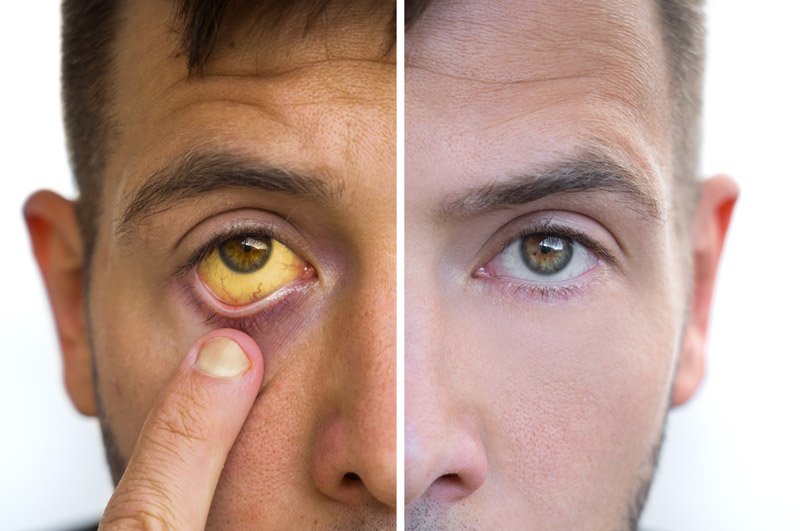
Few symptoms are as visually striking — or as easy to overlook in the early stages — as jaundice. That gradual yellowing of the skin and the whites of the eyes is not a disease in itself but a signal, one the body uses to tell you something may be wrong beneath the surface. In adults, jaundice can range from a harmless, temporary reaction to a sign of a condition that needs urgent attention. Understanding what jaundice is, why it happens, and when it demands medical care can make all the difference.
What Jaundice Actually Is
Jaundice occurs when a yellow-orange pigment called bilirubin builds up in the blood. Bilirubin is a natural waste product created when old red blood cells are broken down. Normally, the liver processes bilirubin and passes it into bile, which is then released into the digestive system and removed from the body. When any step in this process is disrupted — too much bilirubin is produced, the liver cannot process it, or its exit route is blocked — bilirubin accumulates and stains the skin, eyes, and body fluids yellow. The whites of the eyes are often the first place the change becomes visible, sometimes before the skin looks noticeably yellow.
Why It Happens
Doctors group the causes of jaundice into three broad categories based on where the problem lies. The first is when red blood cells break down too quickly, flooding the system with more bilirubin than the liver can handle. The second, and most common in adults, is a problem within the liver itself — where the organ is inflamed, damaged, or overwhelmed and cannot process bilirubin properly. The third is a blockage in the tubes that carry bile out of the liver, such as a gallstone or a narrowing, which traps bilirubin and forces it back into the bloodstream. Identifying which of these three is responsible is the key to understanding both the seriousness of the situation and the right treatment.
Common Causes
A wide range of conditions can lead to jaundice. Among the most frequent are viral hepatitis, an infection that inflames the liver; fatty liver disease and cirrhosis, in which long-term damage impairs liver function; and gallstones or other blockages of the bile ducts. Certain medications, excessive alcohol use, and some inherited conditions can also raise bilirubin levels. Less commonly, jaundice may point to a more serious problem, such as a growth affecting the liver or pancreas. Because the causes are so varied — from mild and self-limiting to serious — jaundice should never simply be watched and ignored.
Symptoms Beyond Yellow Skin
Yellowing is the most obvious sign, but jaundice often comes with other clues:
Dark, tea-coloured urine
Pale or clay-coloured stools
Itchy skin
Tiredness and general weakness
Loss of appetite or nausea
Abdominal pain, particularly on the upper right side
Noticing these alongside a yellow tint helps a doctor work out what is happening and how urgently it needs to be addressed.
How Jaundice Is Investigated
Because jaundice is a symptom rather than a diagnosis, finding the cause is essential. A doctor will usually begin with blood tests that measure bilirubin levels and assess how well the liver is functioning. These results alone can point strongly toward one of the three categories. Imaging, such as an ultrasound scan, is often used to look at the liver, gallbladder, and bile ducts and to check for blockages or structural changes. In some cases, more detailed tests are needed to examine the bile ducts closely or to take a small tissue sample. The aim is always the same: to pinpoint the underlying cause so that treatment can be targeted rather than guessed.
When Jaundice Is an Emergency
While some causes of jaundice are mild, certain warning signs mean you should seek care without delay. Jaundice accompanied by high fever, severe abdominal pain, confusion, or repeated vomiting can indicate a serious infection or blockage. Rapidly deepening yellowing, significant unexplained weight loss, or jaundice in someone with known liver disease also warrants urgent evaluation. In these situations, prompt investigation and treatment can prevent complications and, in some cases, be life-saving. When in doubt, it is always safer to have jaundice assessed sooner rather than later.
Clearing Up a Common Misconception
There is a widespread belief that jaundice is a single illness that can be cured with a specific food or home remedy. In reality, it is a sign that can stem from many very different causes, each needing its own approach. Relying on unproven remedies while the underlying problem goes unaddressed can allow a serious condition to quietly worsen. The safest path is always to identify the cause first, through proper testing, and then treat that cause under medical guidance rather than chasing quick fixes.
When to See a Doctor
Any new or unexplained yellowing of the skin or eyes should be checked by a doctor, even if you otherwise feel well. Because the possible causes span everything from minor to serious, a proper assessment — including blood tests and, where needed, imaging — is the only reliable way to know what is going on. Persistent or recurring jaundice, in particular, benefits from evaluation by a specialist in liver and digestive health, who can identify the root cause and recommend the right treatment rather than leaving it to chance.
Protecting Your Liver
Not all jaundice is preventable, but you can reduce your risk of the conditions that most often cause it. Limiting alcohol, maintaining a healthy weight, eating a balanced diet, being cautious with medications and supplements, practising good hygiene, and discussing vaccination against certain forms of hepatitis all support long-term liver health. Regular check-ups are especially valuable for anyone with diabetes, obesity, or a family history of liver disease, because they can catch problems long before they ever show on the skin.
The Bottom Line
Jaundice is the body’s visible way of signalling that something in the liver, blood, or bile ducts needs attention. While the cause is often treatable and sometimes harmless, it is never something to dismiss. If you or someone you know develops yellowing of the skin or eyes, treat it as a prompt to get checked rather than a reason to panic. Understanding the signal is the first step toward addressing whatever lies behind it — and the sooner that happens, the better the outcome tends to be.
Powered by Froala Editor
You may also like
More from this category.

Vitamin D Deficiency: Signs, Causes, and Why a Simple Test Matters

Low Testosterone in Men: The Signs You Shouldn't Ignore and When to Get Tested

Sleeve Gastrectomy vs Gastric Bypass: Making Sense of Your Weight-Loss Surgery Options

Dragon Pharma: Understanding the Brand and Online Buying Experience

Dealing with Bedwetting in Children: Causes, Treatment, and Helpful Tips for Parents
GLP-1 Weight Loss Timeline: What Results Can You Expect

Casino Non AAMS Sicuri Guida Aggiornata tra Regole e Vantaggi

Managing PMS: Tips and Treatments

Guida ai migliori casino non AAMS tra bonus e poker