Why Obesity Is Increasing in Pakistan | Causes, Risks, and Prevention
Story details
- Written by
- Dr. Amjad Saeed Mian
- Published
- Read time
- 9 min
- Reads
- 4
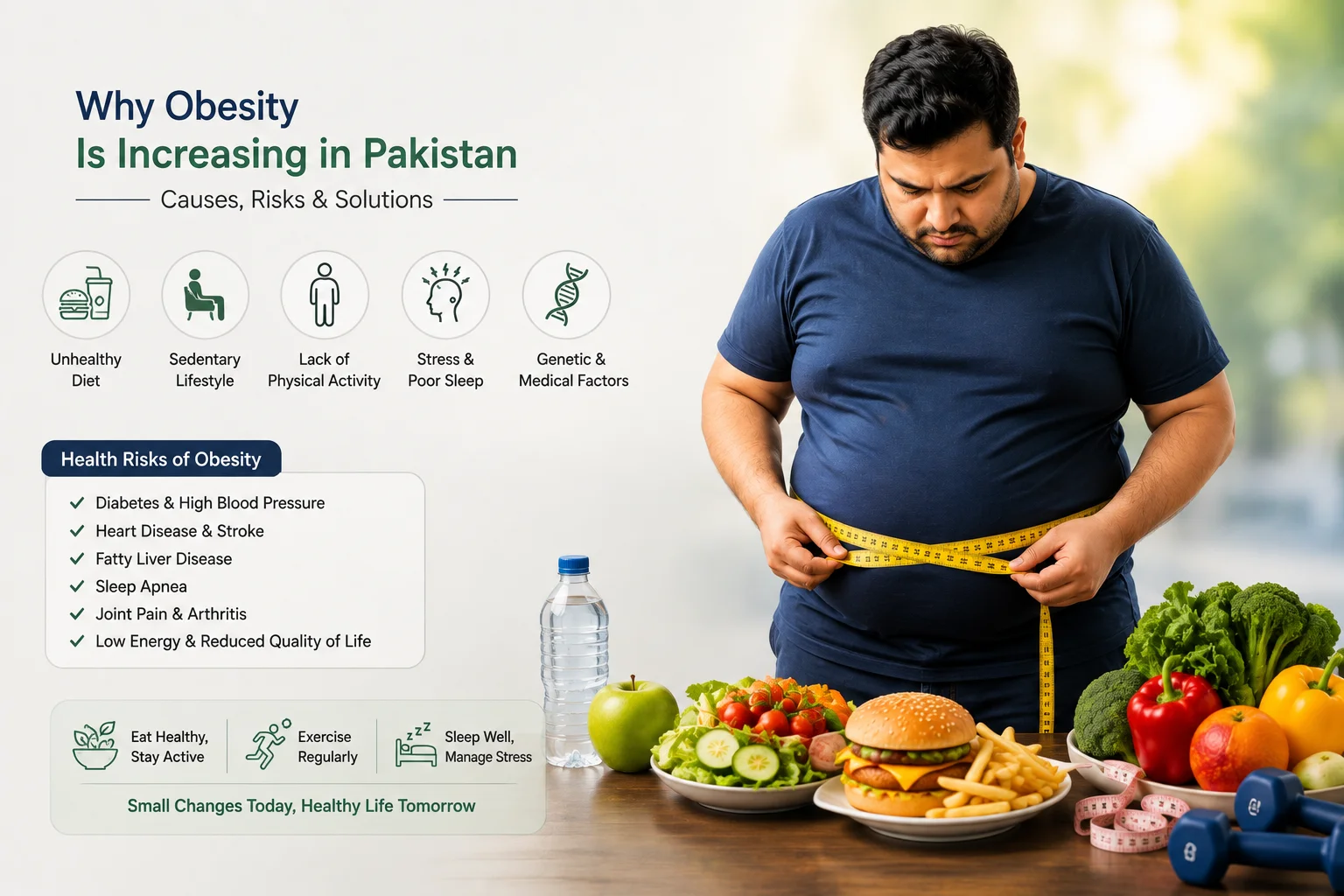
Obesity has become one of the fastest-growing public health challenges in the country, and many people are now asking why obesity is increasing in Pakistan. Over the past decade, changing lifestyles, unhealthy eating habits, reduced physical activity, and increasing stress levels have contributed to a significant rise in obesity among both adults and children. What was once considered an occasional health concern has now become a widespread chronic disease that affects millions of Pakistanis and increases the risk of diabetes, hypertension, heart disease, sleep apnea, fatty liver disease, and many other serious medical conditions.
Although healthy eating and regular exercise remain the foundation of weight management, some individuals struggle to lose weight despite repeated efforts. In these cases, seeking advice from the best laparoscopic surgeon in Lahore or a bariatric specialist can help identify the most effective treatment options, including medical weight management and bariatric surgery when appropriate.
Understanding why obesity is becoming more common is the first step toward preventing its long-term health consequences.
What Is Obesity?
Obesity is a medical condition in which excess body fat accumulates to a level that negatively affects overall health. It develops when calorie intake consistently exceeds the amount of energy the body burns, although genetics, hormones, medications, and lifestyle factors can also contribute.
Healthcare professionals commonly use the Body Mass Index (BMI) to classify obesity:
BMI below 18.5: Underweight
BMI 18.5–24.9: Healthy weight
BMI 25–29.9: Overweight
BMI 30 or above: Obesity
While BMI is a useful screening tool, it is not the only factor doctors consider. Waist circumference, body fat distribution, existing medical conditions, and metabolic health are also important when assessing obesity-related risks.
Obesity should never be viewed as a lack of self-control. It is a complex disease influenced by multiple biological and environmental factors. Recognizing obesity as a medical condition encourages people to seek timely treatment rather than delaying care until serious complications develop.
Why Is Obesity Becoming More Common in Pakistan?
The increase in obesity across Pakistan is driven by a combination of modern lifestyle changes, urbanization, and limited awareness about healthy living. Several everyday habits are contributing to this growing problem.
Unhealthy Eating Patterns
Many people consume diets high in calories but low in nutritional value. Fast food, sugary drinks, processed snacks, and oversized meal portions have become increasingly common, particularly in urban areas.
Sedentary Lifestyle
Technology has reduced daily physical activity. Office-based jobs, long hours of screen time, and dependence on cars or motorcycles mean many people burn far fewer calories than previous generations.
Lack of Regular Exercise
Busy work schedules and limited access to recreational facilities often make exercise a low priority. Without regular physical activity, excess calories are stored as body fat.
Poor Sleep Habits
Insufficient sleep disrupts hormones that regulate hunger and appetite, increasing cravings for high-calorie foods and making weight gain more likely.
Stress and Emotional Eating
Chronic stress can lead to emotional eating, particularly foods rich in sugar and fat. Over time, this contributes to gradual but persistent weight gain.
Medical and Genetic Factors
Some individuals have hormonal disorders, genetic predispositions, or take medications that increase the likelihood of obesity. These cases require professional medical evaluation rather than relying solely on dieting.
Health Risks Associated with Obesity
Obesity affects nearly every organ in the body and significantly increases the likelihood of developing chronic diseases. Many complications develop gradually, making regular health assessments essential.
Some of the most common obesity-related health problems include:
Type 2 Diabetes: Excess body fat reduces insulin sensitivity, increasing blood sugar levels.
High Blood Pressure: The heart works harder to pump blood, placing extra strain on blood vessels.
Heart Disease: Obesity increases cholesterol levels and raises the risk of heart attacks and strokes.
Sleep Apnea: Fat around the neck can narrow the airway, causing interrupted breathing during sleep.
Fatty Liver Disease: Excess fat accumulates in the liver, leading to inflammation and potential liver damage.
Joint and Back Pain: Extra body weight places continuous stress on the knees, hips, and spine.
Reduced Fertility: Obesity may affect hormone balance in both men and women.
Mental Health Challenges: Depression, anxiety, and low self-esteem are often associated with long-term obesity.
Early diagnosis and treatment can help prevent many of these complications and improve overall health outcomes.
Who Is Most at Risk of Obesity?
Although obesity can affect anyone, certain groups are more likely to develop it due to lifestyle, genetics, or underlying health conditions.
People at higher risk include:
Individuals with a family history of obesity.
Adults with desk-based or sedentary occupations.
People who regularly consume processed or high-calorie foods.
Individuals with hormonal conditions such as hypothyroidism or PCOS.
People who sleep fewer than seven hours per night.
Those experiencing chronic stress or emotional eating.
Individuals with limited physical activity.
People living with obesity-related conditions such as diabetes or hypertension.
Identifying the above-mentioned risk factors enables a person to make better lifestyle decisions as well as to get medical consultation before developing obesity complications. In the case of severely obese patients who cannot lose weight by themselves, Dr. Amjad Saeed Mian, one of the best laparoscopic surgeons in Lahore specializing in bariatric surgery, should be consulted.
How Can You Prevent and Control Obesity?
Being overweight or obese does not mean having to go on crash diets and losing weight quickly. Rather, it is about forming healthy lifestyle practices that will last for a lifetime. Simple lifestyle modifications may produce amazing results regarding weight loss and increased energy levels.
Here are some practical ways to prevent and manage obesity:
Follow a Balanced Diet
A nutritious diet is the foundation of healthy weight management. Focus on eating:
Fresh fruits and vegetables
Whole grains
Lean proteins such as fish, chicken, and legumes
Healthy fats in moderation
Plenty of water throughout the day
Try to limit:
Sugary drinks
Fast food
Processed snacks
Fried foods
Excessive sweets and desserts
Stay Physically Active
Regular exercise helps burn calories, improves heart health, and supports long-term weight management.
Aim for:
At least 150 minutes of moderate physical activity each week
Walking, cycling, swimming, or jogging
Strength training two to three times per week
Taking the stairs and staying active throughout the day
Improve Your Sleep
Adults should aim for 7–9 hours of quality sleep every night. Poor sleep affects hormones that regulate hunger and can increase cravings for unhealthy foods.
Manage Stress
Chronic stress often leads to emotional eating. Healthy stress-management techniques include:
Meditation
Deep breathing exercises
Regular physical activity
Spending time with family and friends
Pursuing enjoyable hobbies
Monitor Your Weight Regularly
Tracking your weight and waist circumference can help you identify gradual changes early, making it easier to take corrective action before obesity becomes more difficult to manage.
When Should You Seek Medical Help for Obesity?
Numerous individuals have been able to shed pounds due to eating well and engaging in physical activity on a consistent basis. Yet, if obesity is having an impact on your health, then you may consider medical guidance.
You should consult a healthcare professional if you:
Have a BMI of 30 or higher.
Have a BMI of 35 or above with conditions such as diabetes, hypertension, or sleep apnea.
Experience persistent joint pain or reduced mobility due to excess weight.
Have been diagnosed with fatty liver disease or high cholesterol.
Continue gaining weight despite lifestyle changes.
Struggle with everyday activities because of obesity.
Feel that your physical or emotional well-being is being affected by your weight.
Early medical assessment helps identify the underlying causes of obesity and allows treatment to begin before serious complications develop.
How Can Bariatric Surgery Help?
In cases of severe obesity, simply changing lifestyles does not guarantee adequate weight loss. In selected individuals, bariatric surgery is an effective form of therapy. Current bariatric surgery is done through laparoscopic surgery, which entails smaller cuts, less pain, shorter hospital stay, and quicker healing when compared to open surgery.
Bariatric surgery can help:
Achieve significant and sustained weight loss.
Improve or even resolve type 2 diabetes.
Lower high blood pressure.
Reduce the severity of obstructive sleep apnea.
Improve fatty liver disease.
Relieve pressure on the joints.
Enhance mobility and overall quality of life.
Common bariatric procedures include:
Sleeve Gastrectomy
Gastric Bypass
Mini Gastric Bypass
The most appropriate procedure depends on your BMI, medical history, and overall health. A thorough evaluation by an experienced best laparoscopic surgeon in Lahore is essential to determine the right treatment approach.
Why Choose Dr. Amjad Saeed Mian for Obesity Treatment in Lahore?
It is essential to have the right doctor perform your bariatric surgery. Dr. Amjad Saeed Mian is a bariatric surgeon who provides comprehensive obesity treatment.
Patients trust Dr. Amjad Saeed Mian because he offers:
Expertise in advanced laparoscopic bariatric surgery.
Personalized treatment plans based on BMI, medical history, and health goals.
Comprehensive preoperative assessment and nutritional guidance.
Long-term postoperative follow-up to support sustainable weight loss.
Modern surgical care at Saleem Memorial Hospital Lahore and Farooq Hospital DHA.
Regardless of whether your need is for medically supervised weight loss or for bariatric surgery, Dr. Amjad Saeed Mian aims to assist his patients in obtaining significant improvements in their physical and psychological well-being.
Conclusion
The prevalence of obesity in Pakistan is increasing, but it also remains among the most easily preventable and manageable health issues. Being aware of the causes, knowing the health risks that come with being obese, and making lifestyle changes on time could make a big difference in terms of preventing complications.
If obesity is affecting your daily life or contributing to conditions such as diabetes, hypertension, sleep apnea, or joint pain, seeking professional medical advice is an important step toward better health. Dr. Amjad Saeed Mian, an experienced best laparoscopic surgeon in Lahore and bariatric specialist, provides personalized treatment options to help patients achieve safe, sustainable weight loss and improve their overall well-being.
FAQs
Why is obesity increasing in Pakistan?
Obesity is increasing due to unhealthy eating habits, reduced physical activity, sedentary lifestyles, stress, poor sleep, and increased consumption of processed foods.
What health problems can obesity cause?
Obesity increases the risk of type 2 diabetes, high blood pressure, heart disease, sleep apnea, fatty liver disease, joint pain, infertility, and several other chronic conditions.
Can obesity be treated without surgery?
Yes. Many people can successfully manage obesity through a balanced diet, regular exercise, behavioural changes, and medical supervision. Surgery is generally considered when these methods do not provide lasting results.
When should I consider bariatric surgery?
Bariatric surgery may be recommended if you have a BMI of 40 or higher, or 35 or higher with obesity-related conditions, and have been unable to achieve sustainable weight loss through non-surgical methods.
Is laparoscopic bariatric surgery safe?
Yes. When performed by an experienced surgeon, laparoscopic bariatric surgery is considered a safe and effective treatment for severe obesity. It offers smaller incisions, less pain, faster recovery, and excellent long-term outcomes.
Who is one of the best laparoscopic surgeons in Lahore for obesity treatment?
Dr. Amjad Saeed Mian is an experienced bariatric and laparoscopic surgeon in Lahore, providing advanced obesity treatment, including sleeve gastrectomy, gastric bypass, and mini gastric bypass, at Saleem Memorial Hospital Lahore and Farooq Hospital DHA.
Powered by Froala Editor

About the author
Dr. Amjad Saeed Mian
Dr. Amjad Saeed Mian is a leading laparoscopic and bariatric surgeon in Lahore, providing advanced minimally invasive surgery and personalized obesity treatment.
Last updated . If you spot an error, contact our newsroom with the article link and supporting information.