Vitamin D Deficiency: Signs, Causes, and Why a Simple Test Matters
Story details
- Written by
- Glenn Prior
- Published
- Read time
- 3 min
- Reads
- 13
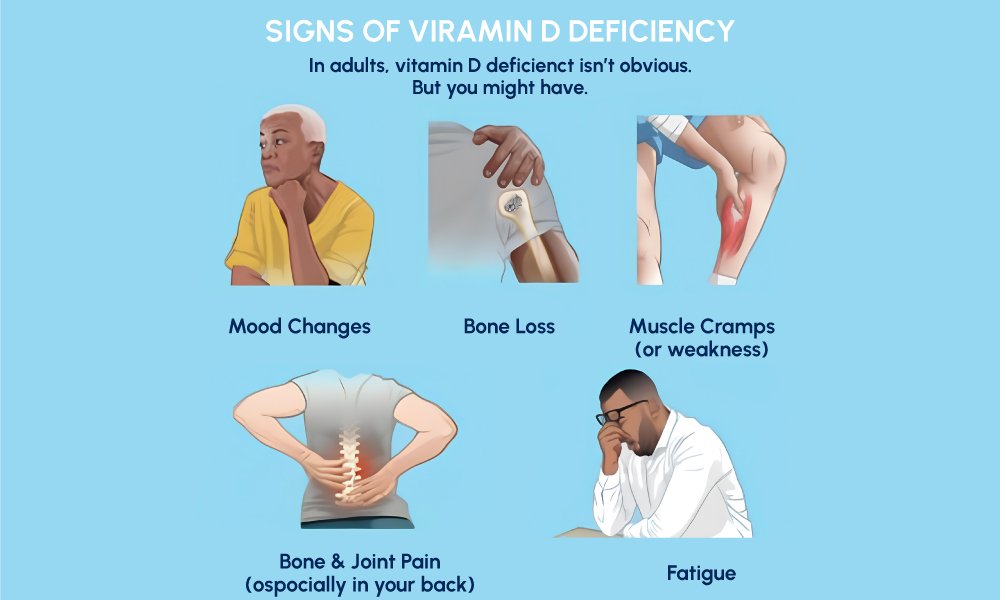
Vitamin D is often called the "sunshine vitamin" because our skin makes it when exposed to sunlight. Yet vitamin D deficiency is remarkably common — even in sunny countries — and it frequently goes unnoticed, because the symptoms are vague and easy to blame on a busy lifestyle. Persistent tiredness, aches, low mood or falling ill often can all trace back to low vitamin D. This guide explains what the vitamin does, why so many people run low, the signs to watch for, and how a simple blood test can give you a clear answer.
Why Vitamin D Matters
Vitamin D does far more than support bones. It helps the body absorb calcium and phosphorus (essential for strong bones and teeth), supports muscle function, and plays a role in immunity and mood. When levels drop, the effects build up gradually — which is exactly why deficiency is so easy to miss.
Common Signs of Low Vitamin D
Ongoing tiredness or low energy
Bone pain, or aches in the back, hips or legs
Muscle weakness or cramps
Frequent colds or infections
Low mood, especially through winter
Hair thinning
Many people have no obvious symptoms at all, which is why testing is the only reliable way to know.
Why Deficiency Is So Common
Limited sun exposure — indoor jobs, staying covered, or sunscreen (important for skin, but it reduces vitamin D production).
Air pollution — it blocks the UVB rays that trigger production.
Darker skin — needs more sun to make the same amount.
Age — skin makes less vitamin D over time.
Diet — very few foods naturally contain it.
How Vitamin D Is Tested
A Vitamin D test (the 25-hydroxy vitamin D blood test) measures the amount of vitamin D circulating in your body and is the standard way to diagnose deficiency. It is a simple blood draw, usually needs no special preparation, and gives a clear number your doctor can act on. Because vitamin D and calcium work together for bone strength, they are sometimes checked side by side — a bone-health check that looks at both can give a fuller picture, especially for older adults or anyone with ongoing bone pain.
Understanding Your Results
Results are usually reported in ng/mL. Broadly, lower values indicate deficiency, a middle band suggests insufficiency, and higher values are considered sufficient — but the exact cut-offs, and what to do about them, should be interpreted by your doctor alongside your symptoms and health history. Very high levels (usually from over-supplementing) can also be a problem, which is another reason testing matters.
What You Can Do
If your level is low, correcting it is usually straightforward: a mix of sensible sun exposure, dietary sources (such as fortified foods, eggs and fatty fish), and supplements prescribed by your doctor. Retesting after a few months confirms that levels have improved. The key is not to guess — supplementing blindly can lead to too little or too much.
Who Should Consider Testing
Testing is worth considering if you have persistent tiredness or bone and muscle aches, spend most of the day indoors, are over 50, are pregnant, have darker skin, or have a condition that affects nutrient absorption. It is also sensible as a simple baseline within a routine health check.
Vitamin D deficiency is common, easy to overlook, and simple to fix once you know it is there. A single blood test turns vague, easy-to-dismiss symptoms into a clear answer — and a clear plan.
This article is for general information only and is not a substitute for professional medical advice. Always consult a qualified doctor about testing and treatment.
Powered by Froala Editor

About the author
Glenn Prior
Contributor to TVL Health by The Viral Lines.
Last updated . If you spot an error, contact our newsroom with the article link and supporting information.