Top Science Fair Project Ideas Using Lunar Regolith Stimulant
Story details
- Written by
- Space Resource Technology
- Published
- Read time
- 3 min
- Reads
- 20
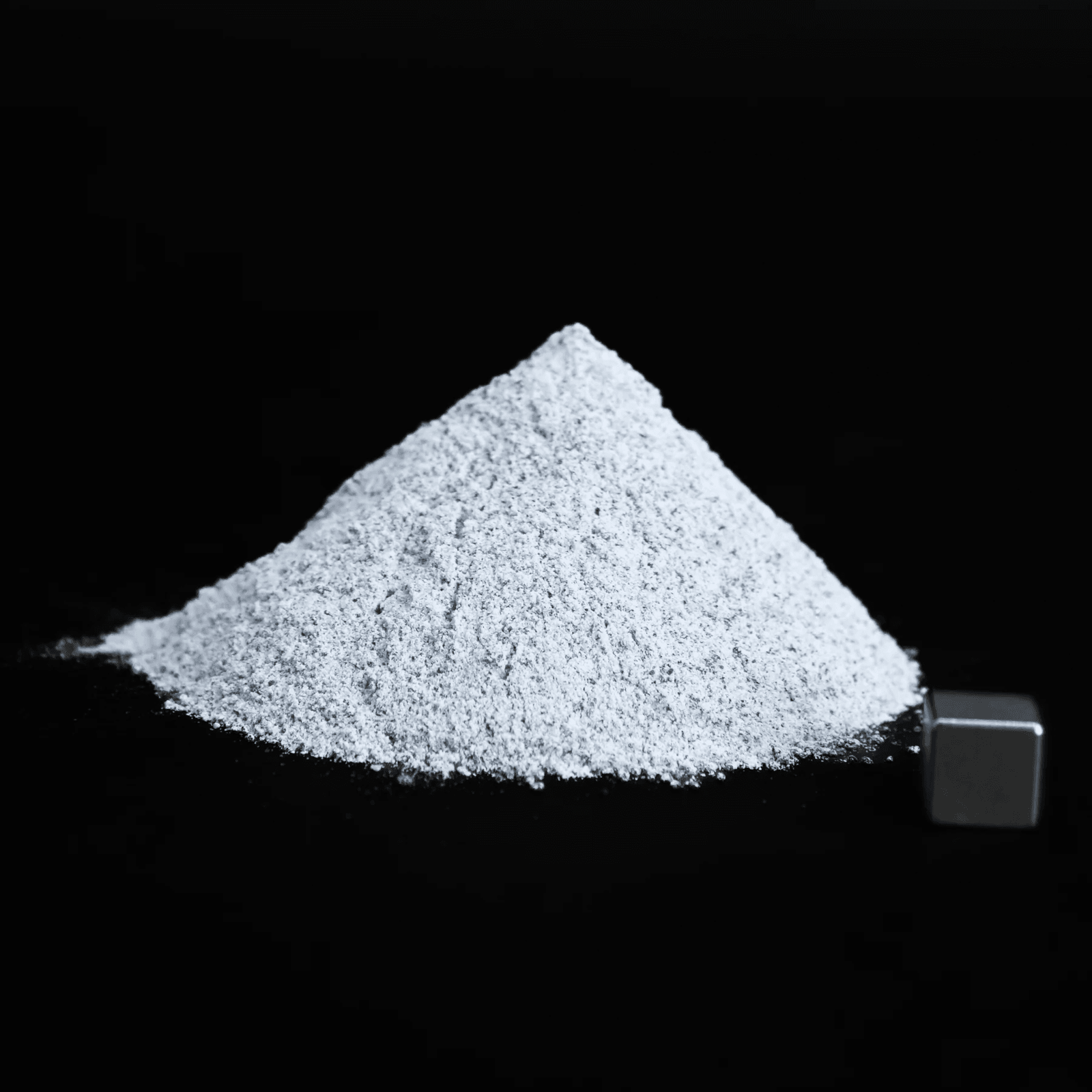
Science fairs are one of the most powerful educational experiences available to young students — a chance to design real experiments, collect real data, and discover something genuinely new. Space science topics are particularly compelling because they connect to current events, involve cutting-edge questions, and inspire a sense of wonder. Space Resource Technologies provides the lunar stimulant materials that make hands-on space science possible for students at every level.
Why Choose a Regolith Science Project?
Regolith science projects have several advantages for science fair participants. They connect to real, active research — the same questions you explore in your project are being studied by NASA scientists and university researchers right now. They involve tangible materials that visitors and judges can see and touch. And they offer genuine opportunities for discovery — student experiments can produce results that are genuinely interesting to the scientific community.
Project Idea 1 — Plant Growth in Lunar Stimulant
Compare the growth of plants in lunar regolith stimulant against Earth soil, sand, or other growth media. Measure germination rates, root development, leaf count, plant height, and overall health over several weeks. Extend the project by testing whether soil amendments — compost, fertilizer, earthworm castings — improve plant performance in stimulant. This project directly replicates research published by NASA-funded scientists.
Project Idea 2 — Lunar Dust Adhesion Study
Investigate how fine lunar dust stimulant adheres to different materials — fabric, glass, plastic, metal, rubber. Test whether surface texture, surface treatment, or electrostatic charging affects how much dust sticks. This connects to a real NASA engineering problem — cleaning lunar dust off spacesuits and equipment.
Project Idea 3 — Regolith Compaction and Engineering Properties
Build a small regolith testing apparatus and measure how regolith stimulant behaves under different conditions. Investigate how compaction depth changes with applied load or how slope angle affects stability. These geotechnical properties are essential data for designing rovers and excavation equipment.
Project Idea 4 — Filtration and Water Extraction
Design a simple system to extract water from a simulated ice-regolith mixture by heating. Measure extraction efficiency, energy consumption, and purity of the recovered water. This project directly simulates ISRU water extraction — one of the most important technologies for lunar exploration.
Project Idea 5 — Spectroscopy and Remote Sensing
If your school has access to a spectrophotometer or infrared sensor, investigate how different stimulant compositions reflect or absorb light at different wavelengths. Compare highland and mare stimulants — connecting your work to how orbital spacecraft use spectroscopy to map planetary surfaces from space.
Making Your Project Stand Out
The strongest science fair projects combine a well-defined question, proper controls, quantitative measurements, and thoughtful analysis. For lunar science projects, connecting your work to real research — citing published papers, referencing NASA missions, explaining how your results apply to real exploration challenges — will impress judges and demonstrate genuine scientific thinking.
Powered by Froala Editor

About the author
Space Resource Technology
World's leading producer of high-fidelity lunar, Mars & asteroid regolith simulants. Trusted by NASA, ESA, JAXA & researchers in 50+ countries worldwide. https://spaceresourcetech.com/
Last updated . If you spot an error, contact our newsroom with the article link and supporting information.