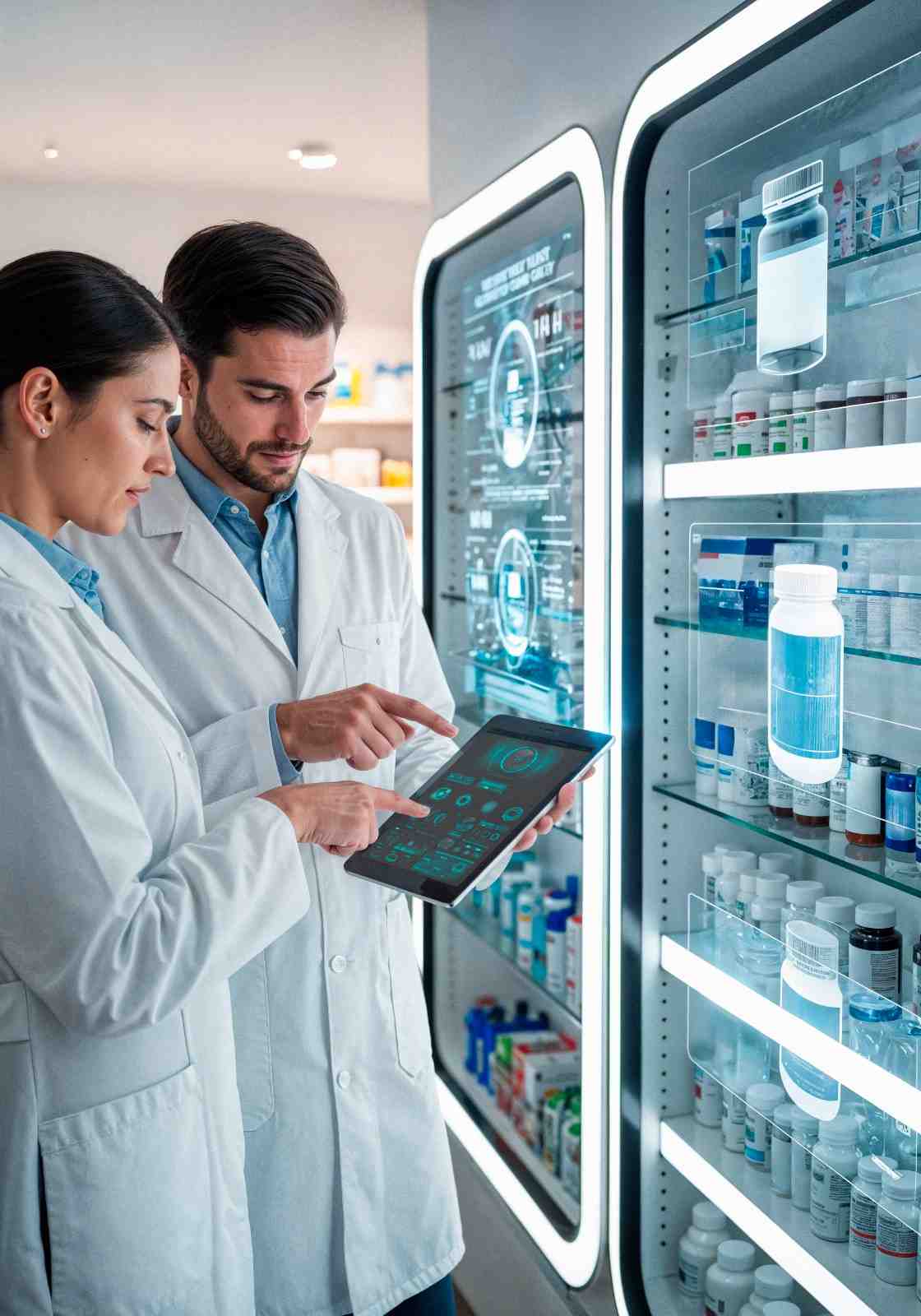
For centuries, the tools of a doctor were simple: a stethoscope, a sharp mind, and a paper chart. While the sharp mind is still essential, the tools surrounding it are undergoing a massive revolution. Technology is no longer just on the fringes of healthcare; it is at its very core, changing everything from how you book an appointment to how diseases are diagnosed. This digital transformation is making healthcare smarter, faster, and more accessible. However, integrating complex technology into the sensitive world of medicine is not easy. It requires a special kind of expertise, bridging the gap between medical professionals and the digital world.
The Guiding Hand: Why Healthcare Leans on Tech Experts
Hospitals, clinics, and doctor's offices are incredibly complex organizations. Their primary focus is, and always should be, on patient care. Doctors, nurses, and medical staff are experts in human health, not in network security, cloud computing, or software integration. Yet, modern healthcare depends on all these things to function efficiently. When a hospital decides to upgrade its systems or adopt a new technology, it faces significant challenges. The data is highly sensitive, the systems must be reliable, and any downtime could have serious consequences.
This is where specialized experts come in to guide the process. The primary role of tech consulting firms that focus on the healthcare sector is to provide the strategy, planning, and oversight needed to bring medical facilities into the modern age. They act as translators, understanding the needs of the doctors and patients and turning them into technical solutions. Their work generally falls into several key areas:
Upgrading and Connecting Systems: Many healthcare facilities still use outdated software or separate systems that don't communicate with each other. A consultant's first job is often to help them choose and implement a modern, integrated system, like an Electronic Health Record (EHR) system. This ensures that a patient's information is available to the right doctor at the right time, whether they are in the emergency room, a specialist's office, or the pharmacy.
Securing Sensitive Patient Data: Patient information is one of the most private types of data there is. Protecting it is not just good practice; it's the law. Tech consultants help healthcare providers build strong digital defenses to protect against cyberattacks and data breaches. They ensure that all systems are compliant with privacy regulations like HIPAA, giving patients peace of mind that their personal health information is safe.
Enhancing the Patient Journey: Technology isn't just for doctors. It can also make the patient's experience much smoother. Consultants help implement tools like online appointment scheduling, patient portals where people can view their test results, and secure messaging systems to communicate with their doctor. These small changes reduce administrative burdens and empower patients to take a more active role in their own health.
Training and Ongoing Support: A powerful new tool is useless if the staff doesn't know how to use it. A crucial part of a tech consultant's job is to ensure that all medical staff are properly trained on new systems. They also help establish support plans, so if something goes wrong, there is a clear process to fix it quickly without disrupting patient care.
The Innovations: A Look at Modern Medical Technology
The advice and strategies from consultants are put into action through a range of innovative medical technology services. These are the actual tools and platforms that are reshaping the practice of medicine. They go far beyond simple record-keeping and are actively improving health outcomes.
One of the most visible innovations is telehealth. The ability to have a video call with a doctor from the comfort of your own home has been a game-changer, especially for people in rural areas or those with mobility issues. It makes healthcare more convenient and accessible, saving time and travel costs for routine check-ups and consultations.
Behind the scenes, Electronic Health Records (EHRs) are the digital backbone of the modern hospital. Instead of a thick paper file, your entire medical history is stored securely in a digital format. This means a doctor can instantly see your allergies, past surgeries, and current medications, reducing the risk of medical errors and ensuring you receive well-coordinated care from different specialists.
Artificial Intelligence (AI) is also beginning to play a powerful role. AI algorithms can analyze medical images like X-rays and MRIs, helping radiologists spot signs of disease earlier and more accurately than the human eye alone. It can also analyze vast amounts of data to identify patterns and predict which patients are at high risk for certain conditions, allowing for preventative care.
Finally, wearable devices like smartwatches and fitness trackers are bridging the gap between the clinic and everyday life. These devices collect continuous data on things like heart rate, activity levels, and sleep patterns. This information can be shared with doctors, giving them a more complete picture of a patient's health and enabling a more proactive and personalized approach to wellness.
In conclusion, the partnership between healthcare providers and technology experts is paving the way for a healthier future. By combining medical knowledge with digital innovation, we are building a healthcare system that is not only more efficient and secure but also more centered around the needs and convenience of the patient.
Powered by Froala Editor
You may also like
More from this category.

India Milk Market Innovation and Premiumization Redefining Dairy Demand

รีวิวคาสิโนออนไลน์ 10 อันดับ พร้อมแนวทางเลือกเว็บไซต์คาสิโน

Casino Non AAMS: Guida Completa a Giochi e Pagamenti

Casino Non AAMS in Italia: Guida Completa al Confronto

Migliori casino non AAMS: confronto completo per italiani

Organic Maitake Mushroom Powder Bulk: A Practical Sourcing Perspective for B2B Buyers

High BP, High Cholesterol & Heart Health: Medicines, Monitoring & Delivery
SmartCloud ChiroTouch EMR and DOCISS EMR: What to Check Before Moving Your Practice to a New Digital System

Global Agar Resin Market Powering Innovation Across Food, Pharma & Biotechnology