The Growing Role of Advanced Biologics in Modern Wound Care
Story details
- Written by
- Acessobiologics
- Published
- Read time
- 4 min
- Reads
- 3
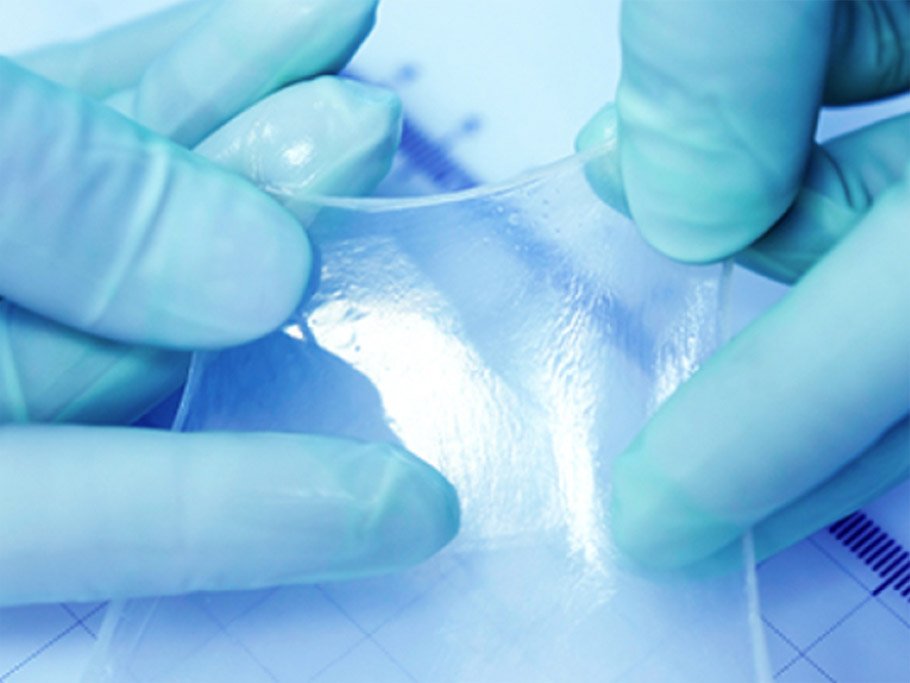
Wound care has evolved significantly over the past decade. What was once largely focused on dressings, cleaning, and infection prevention has expanded into a specialized field that incorporates regenerative medicine, biologics, and advanced treatment technologies.
Healthcare providers today face a growing challenge: managing wounds that do not heal as expected. Chronic wounds affect millions of patients worldwide and can have a profound impact on mobility, quality of life, and healthcare costs. As a result, clinicians continue to explore innovative solutions that support the body's natural healing processes.
Among the advancements gaining attention are amniotic wound grafts, which have emerged as a valuable option in certain wound care settings.
Understanding the Challenge of Chronic Wounds
Not all wounds follow the same healing timeline. While many injuries heal naturally with proper care, some become stalled in the healing process.
Common factors that can contribute to delayed healing include:
Diabetes
Poor circulation
Pressure-related injuries
Venous insufficiency
Advanced age
Certain underlying medical conditions
When healing slows or stops altogether, patients may experience prolonged discomfort and an increased risk of complications. This has driven interest in therapies designed to create an environment that supports tissue repair and regeneration.
A Shift Toward Regenerative Approaches
Traditional wound care remains an important foundation of treatment. However, modern clinicians are increasingly incorporating regenerative strategies that work alongside conventional therapies.
Rather than simply covering a wound, many advanced treatments aim to support the biological processes involved in tissue repair.
This shift reflects a broader trend in medicine: moving from symptom management toward solutions that help the body restore damaged tissue more effectively.
As research continues to expand, biologic materials are becoming an important part of the conversation surrounding wound healing innovation.
What Makes Amniotic Tissue Unique?
Amniotic tissue has attracted interest because of its natural properties and its role during fetal development.
The amniotic membrane contains structural components that help support tissue growth and protection. After appropriate screening, processing, and preservation, this tissue may be used in certain medical applications, including wound management.
Amniotic wound grafts are designed to provide a supportive environment that may assist the body's healing response when used as part of a comprehensive treatment plan.
Healthcare professionals often evaluate multiple factors before determining whether a biologic graft is appropriate for a specific patient or wound type.
The Evolution of Skin Replacement Technologies
Over the years, wound care specialists have gained access to a variety of advanced materials intended to support tissue repair.
One category that continues to expand is the skin substitute market. These products are developed to help manage complex wounds by providing coverage and structural support when the body's natural healing process requires additional assistance.
Skin substitutes vary considerably in design, composition, and intended use. Some are derived from biological materials, while others are manufactured using synthetic or bioengineered technologies.
The growing diversity of available options allows clinicians to select treatments based on individual patient needs and wound characteristics.
Why Clinicians Are Seeking More Advanced Solutions
The increasing prevalence of chronic wounds has created a demand for therapies that go beyond traditional approaches.
Healthcare providers are often focused on several key objectives:
Promoting wound closure
Supporting healthy tissue development
Reducing healing complications
Improving patient comfort
Enhancing quality of life
Advanced biologic products may offer additional tools that support these goals when integrated into a broader wound management strategy.
Importantly, successful wound healing typically requires more than a single treatment. Effective care often involves ongoing assessment, infection management, pressure relief, nutritional support, and patient education.
Personalized Wound Care Is Becoming the Standard
One of the most significant changes in modern healthcare is the movement toward personalized treatment plans.
No two wounds are exactly alike, and factors such as patient health, wound history, circulation, and lifestyle can influence healing outcomes.
Because of these variables, wound care specialists increasingly take an individualized approach when evaluating treatment options.
This patient-centered model allows clinicians to combine therapies based on specific needs rather than relying on a one-size-fits-all solution.
As more research becomes available, biologic materials and advanced wound care technologies are likely to play an increasingly important role in personalized care pathways.
The Importance of Evidence-Based Decision Making
Innovation in healthcare is most valuable when supported by clinical evidence.
Medical professionals evaluating advanced wound care products often review factors such as:
Published clinical studies
Safety profiles
Treatment outcomes
Regulatory compliance
Patient-specific considerations
Evidence-based decision making helps ensure that treatment recommendations are guided by scientific data and clinical experience rather than trends alone.
This approach is especially important in wound care, where treatment decisions can directly affect patient recovery and long-term health outcomes.
Looking Ahead: The Future of Wound Healing
The field of wound care continues to evolve as researchers explore new ways to support tissue regeneration and improve healing outcomes.
Emerging technologies, biologic therapies, and next-generation materials are expanding the range of options available to healthcare providers. As innovation advances, treatments such as amniotic wound grafts and other forms of skin substitute technology may continue to contribute to more sophisticated wound management strategies.
While no single solution is appropriate for every patient, the growing focus on regenerative medicine reflects an important shift in healthcare. The future of wound care is increasingly centered on supporting the body's natural healing mechanisms, improving patient outcomes, and providing clinicians with more effective tools to address complex wounds.
Powered by Froala Editor

About the author
Acessobiologics
Contributor to TVL Health by The Viral Lines.
Last updated . If you spot an error, contact our newsroom with the article link and supporting information.