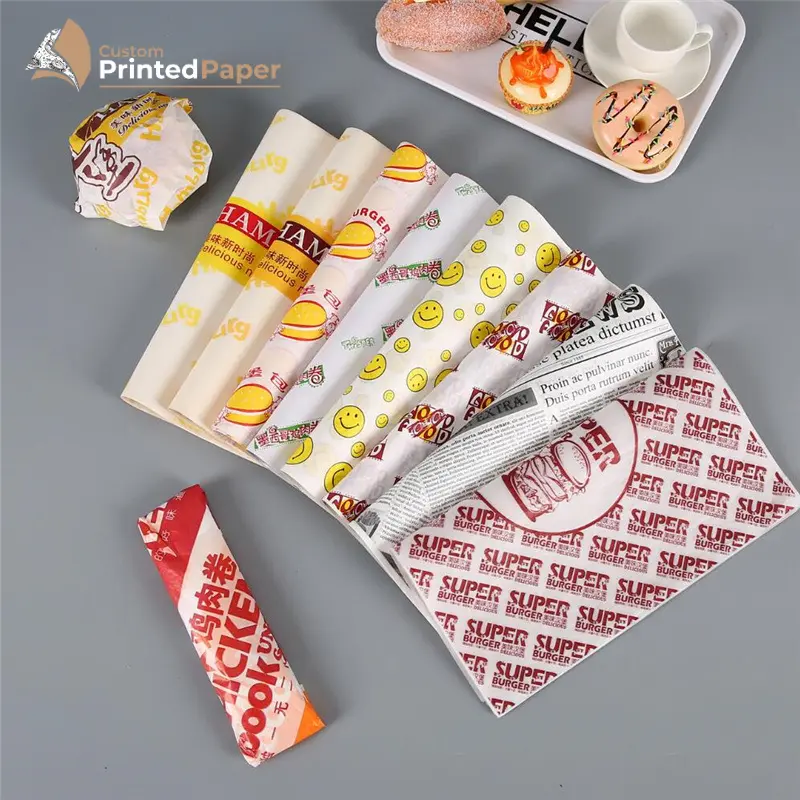
If you've ever stood in the baking aisle wondering whether to buy greaseproof paper or parchment paper, you're not alone. The two products look similar and are often used for comparable tasks, yet they are designed with different features that make each one better suited for specific applications.
For home bakers, professional kitchens, cafés, and food businesses, selecting the right paper can improve baking performance, simplify cleanup, maintain food quality, and create a better customer experience. Understanding these differences also helps businesses choose packaging materials that balance food safety, presentation, and sustainability.
This guide explores the characteristics of both papers, compares their performance, and explains when each option is the smarter choice.
What Is Greaseproof Paper?
Greaseproof paper is a specially manufactured Grease resistant paper designed to resist oil and grease. During production, the paper fibers are refined and compressed, creating a dense structure that prevents fats from easily penetrating the surface.
Its ability to resist grease while remaining lightweight makes it one of the most widely used materials in the food service and bakery industries.
Key Features
Excellent grease resistance
Safe for direct food contact
Smooth and attractive finish
Suitable for custom printing
Available in recyclable options
Ideal for food presentation and wrapping
Common Applications
Greaseproof paper is commonly used for:
Wrapping burgers and sandwiches
Lining bakery trays
Packaging cookies and pastries
Serving fried foods
Café basket liners
Because it combines functionality with presentation, many bakeries and restaurants choose greaseproof paper for everyday operations.
What Is Parchment Paper?
Parchment paper is a baking paper treated with a silicone coating that creates a highly non-stick surface. It is specifically designed to withstand oven temperatures while allowing baked goods to release easily.
Unlike greaseproof paper, parchment paper is primarily intended for baking and roasting rather than commercial food wrapping.
Main Features
Silicone-coated surface
Excellent heat resistance
Superior non-stick performance
Moisture resistant
Suitable for oven use
Often reusable for multiple baking sessions
Common Uses
Parchment paper is frequently used for:
Cookies
Cakes
Bread
Pizza
Roasted vegetables
Pastries
Its heat-resistant properties make it a reliable choice for recipes that require consistent baking performance.
Greaseproof Paper vs. Parchment Paper: Key Differences
Although both products resist grease, parchment paper performs better in high-temperature baking, while greaseproof paper offers greater flexibility for food packaging and presentation.
Which One Is Better for Baking?
Choosing the right paper depends on the recipe and cooking method.
Cookies
Parchment paper provides a non-stick surface that allows cookies to bake evenly and release without breaking.
Cakes
Lining cake pans with parchment paper helps create clean edges and simplifies removal.
Bread
Parchment paper performs well in high-temperature ovens and is commonly used for artisan bread baking.
Pastries
Both papers can be effective, but parchment paper is generally preferred for delicate pastries because of its superior release properties.
Pizza
Parchment paper makes transferring dough easier and tolerates baking temperatures used for homemade pizza.
Roasted Vegetables
The heat resistance and non-stick surface of parchment paper reduce sticking and make cleanup faster.
Which One Is Better for Food Packaging?
While parchment paper shines in the oven, greaseproof paper is typically the preferred option for commercial food packaging.
Bakeries
Fresh pastries, muffins, and cookies stay attractive while grease remains contained.
Restaurants
Greaseproof wraps improve the presentation of burgers, sandwiches, and wraps while keeping customers' hands cleaner.
Cafés
Printed food wraps create a consistent brand image while protecting baked goods and snacks.
Delis
Although Deli Paper is designed specifically for deli meats and sandwiches, greaseproof paper provides additional protection for products with higher oil content.
Specialized Food Papers
Different food products benefit from different packaging materials.
Cheese Paper
Designed to regulate moisture and airflow, helping preserve the texture and freshness of specialty cheeses.
Wax Paper
Suitable for wrapping cold foods, confectionery products, and bakery displays but generally not intended for oven use.
Butter Paper
Commonly used in baking preparation and confectionery packaging because of its smooth finish.
Freezer Paper
Designed for frozen food storage and long-term preservation with added moisture protection.
Custom Hot Paper
Ideal for wrapping warm takeaway foods that require heat resistance and professional presentation.
Together, these materials provide versatile custom food packaging solutions for food businesses serving a wide variety of products.
How to Choose the Right Food Paper
Making the right choice becomes easier when you consider how the paper will be used.
Verify Food Safety
Always select paper manufactured specifically for direct food contact.
Consider Heat Requirements
For baking applications, choose paper designed to tolerate oven temperatures recommended by the manufacturer.
Look for Sustainable Options
Many food businesses now prefer recyclable or responsibly sourced papers that support environmentally conscious operations.
Think About Branding
Greaseproof paper offers excellent print quality, making it a popular option for cafés, bakeries, and takeaway brands.
Balance Cost and Performance
Selecting paper based on quality rather than price alone often reduces waste and improves overall efficiency.
Frequently Asked Questions
Is greaseproof paper oven-safe?
Many greaseproof papers can be used for baking within recommended temperature limits, although product specifications should always be checked.
Can parchment paper replace greaseproof paper?
For baking applications, yes. However, greaseproof paper remains the preferred choice for food wrapping and presentation.
Which paper is better for baking cookies?
Parchment paper is generally the better option because of its excellent non-stick performance.
Is greaseproof paper environmentally friendly?
Many modern greaseproof papers are recyclable or manufactured from responsibly sourced materials, making them a sustainable packaging choice.
What paper is best for food packaging?
Greaseproof paper is one of the most versatile food packaging materials because it combines grease resistance, food safety, attractive presentation, and compatibility with custom printing.
Conclusion
Choosing between Greaseproof Paper vs. Parchment Paper depends entirely on how the paper will be used. Parchment paper delivers outstanding performance for baking and roasting, while greaseproof paper offers practical advantages for wrapping, serving, and presenting food in commercial settings.
Whether you're preparing homemade pastries or managing a busy bakery, using the appropriate food paper improves quality, convenience, and food safety. Businesses looking to expand their packaging options can also explore the expertise and product range available from Custom Printed Paper, including greaseproof paper, cheese paper, wax paper, deli paper, butter paper, freezer paper, and custom hot paper, helping create reliable and attractive packaging solutions for modern food service.
Powered by Froala Editor
You may also like
More from this category.

Embryology Course in Bangalore: Build a Rewarding Career with Medline Academics

Health and Wellness Made Simple: Book Your Massage in Dubai with Relaxini

6 Myter om Erhvervscoaching, der Holder Dygtige Ledere Tilbage

Key Account Management in Pharma: Picking a Sales Consultant

The Benefits of Having a Trusted Local Dentist in Stamford, CT

The role of supply chain management in the pharmaceutical industry

Why Choosing the Right Dietitian Can Change Your Health Journey

Gynecologist In Miramar: Your Complete Guide to Better Women's Health

The Most Common Wound Types Treated by Professional Wound Care in Oakland County