Early Signs of a Heart Attack: Know When to Seek Help
Story details
- Written by
- Dr. Piyush Tak
- Published
- Read time
- 5 min
- Reads
- 4
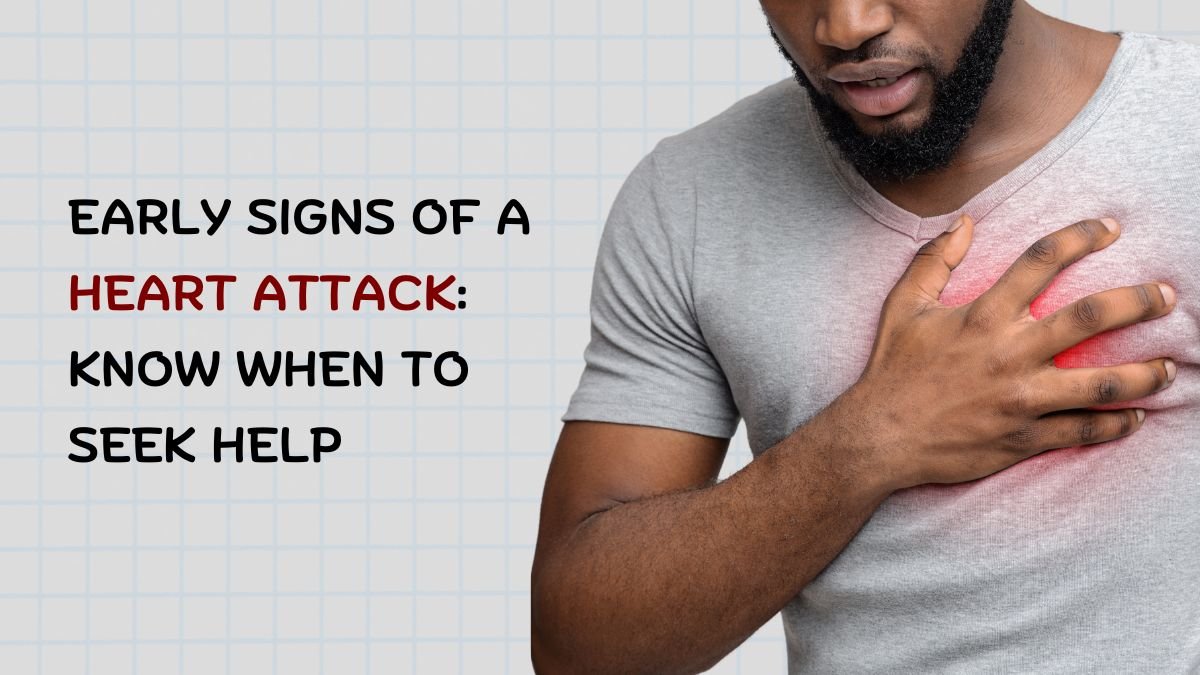
A heart attack is a medical emergency that occurs when blood flow to the heart is blocked, preventing the heart muscle from getting enough oxygen. Recognizing the early signs of a heart attack can save lives and prevent serious complications. Many people ignore heart attack warning symptoms, thinking they are minor issues like acidity, stress, or fatigue. However, knowing what are the first signs of a heart attack and seeking immediate medical attention can make a significant difference. If you experience unusual symptoms, consulting the best cardiologist in Shyam Nagar Jaipur can help ensure timely diagnosis and treatment.
What Is a Heart Attack?
A heart attack, medically known as myocardial infarction, happens when one or more coronary arteries become blocked. This blockage restricts oxygen-rich blood from reaching the heart muscle, causing damage. In many cases, symptoms of coronary artery blockage may appear before a full heart attack occurs, giving warning signs that should never be ignored.
Heart attacks can range from severe to mild, and sometimes people may experience silent heart attack symptoms, where the warning signs are subtle or mistaken for other health issues.
What Are the First Signs of a Heart Attack?
Recognizing first symptoms of heart attack is critical because early treatment can reduce heart damage. Here are some of the most common heart attack warning symptoms:
1. Chest Pain or Discomfort
One of the most common chest pain symptoms of a heart attack is discomfort in the center or left side of the chest. It may feel like pressure, tightness, squeezing, heaviness, or burning.
Some people describe it as:
A heavy weight on the chest
Tightness or pressure
Burning pain similar to indigestion
Not all chest pain is severe. Sometimes mild heart attack symptoms begin with subtle discomfort that comes and goes.
2. Pain Spreading to Other Areas
Heart attack pain may not stay in the chest. Heart attack pain symptoms can spread to:
Left arm
Both arms
Neck
Jaw
Shoulder
Upper back
This is one of the common sudden heart attack signs people often ignore.
3. Shortness of Breath
Difficulty breathing can occur before or during a heart attack. Some people feel breathless even while resting. This is a key cardiovascular emergency symptom and may happen with or without chest pain.
4. Unusual Sweating
Cold sweats or sudden excessive sweating without physical activity can indicate a heart attack. This is one of the lesser-known heart health warning signs.
5. Nausea, Indigestion, or Vomiting
Some people, especially women, may experience nausea or stomach discomfort. These symptoms before a heart attack are often mistaken for acidity or food poisoning.
6. Fatigue or Weakness
Unusual tiredness, especially in the days or weeks before a heart attack, can be an early sign. Early heart attack symptoms in adults sometimes begin with unexplained weakness.
7. Dizziness or Lightheadedness
Feeling faint, dizzy, or suddenly weak may indicate reduced blood flow to the heart and should be taken seriously.
Early Symptoms of Heart Attack in Men
Although chest pain is common in both men and women, early symptoms of heart attack in men often include:
Severe chest pressure
Pain in the left arm
Sweating
Shortness of breath
Sudden fatigue
Dizziness
Men may experience classic heart attack emergency signs, making it easier to recognize the problem.
Early Symptoms of Heart Attack in Women
Women often experience different or subtle symptoms, which can delay diagnosis. Common early symptoms of heart attack in women include:
Unusual fatigue
Nausea
Jaw or back pain
Mild chest discomfort
Shortness of breath
Lightheadedness
Indigestion-like pain
These signs of a silent heart attack can easily be overlooked.
What Is a Silent Heart Attack?
A silent heart attack occurs without the dramatic symptoms people usually associate with heart attacks. Silent heart attack symptoms may include:
Mild chest discomfort
Fatigue
Shortness of breath
Mild nausea
Back or jaw pain
Dizziness
Because these symptoms seem minor, many people ignore them. Learning how to know if you are having a heart attack is essential, especially when symptoms are subtle.
Signs of Blocked Arteries Before a Heart Attack
Blocked arteries often give warning signals before a major heart attack. Some common signs of blocked arteries include:
Chest pressure during activity
Breathlessness
Fatigue
Pain in the shoulders or arms
Dizziness
Irregular heartbeat
These symptoms of coronary artery blockage should be evaluated by a heart specialist.
Symptoms of a Mild Heart Attack
Not every heart attack begins dramatically. Symptoms of a mild heart attack may include:
Mild chest discomfort
Temporary pressure
Light sweating
Nausea
Fatigue
Mild shortness of breath
Even mild symptoms should not be ignored because heart damage can still occur.
Heart Attack Symptoms That Should Not Be Ignored
Some symptoms require immediate medical attention:
Persistent chest pain
Pain spreading to arms, jaw, or back
Sudden shortness of breath
Cold sweats
Fainting
Severe weakness
Nausea with chest discomfort
These are critical heart attack symptoms that should not be ignored.
When to Seek Help for Heart Attack Symptoms
Many people ask, when to seek help for heart attack symptoms? The answer is simple: seek help immediately if you notice any warning signs.
Do not wait if:
Chest pain lasts more than a few minutes
Symptoms come and go
Pain spreads to other body parts
Breathing becomes difficult
You feel dizzy or faint
Immediate treatment can save heart muscle and prevent complications. Consulting the best cardiologist in Shyam Nagar Jaipur can help with proper diagnosis, emergency care, and long-term heart health management.
How to Recognize a Heart Attack Early
Understanding how to recognize a heart attack early can save lives. Watch for:
Chest pressure
Shortness of breath
Unusual fatigue
Pain in the arms, jaw, or back
Sweating
Nausea
Dizziness
Remember, what happens before a heart attack often includes warning signs that may appear hours, days, or even weeks earlier.
Prevention Tips for Better Heart Health
While not all heart attacks can be prevented, you can lower your risk by:
Eating a heart-healthy diet
Exercising regularly
Managing blood pressure
Controlling diabetes
Avoiding smoking
Reducing stress
Maintaining healthy cholesterol levels
Scheduling regular heart checkups
Regular screening with the best cardiologist in Shyam Nagar Jaipur can help identify risks early and support better heart health.
Conclusion
Recognizing the early signs of a heart attack and acting quickly can save lives. Symptoms such as chest pain symptoms, heart attack warning symptoms, sudden heart attack signs, silent heart attack symptoms, and cardiovascular emergency symptoms should never be ignored. Whether symptoms are severe or mild, immediate medical attention is essential. If you notice unusual heart health warning signs, consult the best cardiologist in Shyam Nagar Jaipur for timely diagnosis, treatment, and expert cardiac care.
Powered by Froala Editor
About the author
Dr. Piyush Tak
Dr. Piyush Tak is a highly experienced and trusted cardiologist in Jaipur, Specializing in the diagnosis and treatment of coronary artery disease, hypertension, heart failure, arrhythmias, and other cardiovascular conditions, He also serve…
Last updated . If you spot an error, contact our newsroom with the article link and supporting information.