Pest Control Myths Debunked: Separating Fact from Fiction
Story details
- Written by
- PostSphere
- Published
- Read time
- 8 min
- Reads
- 17
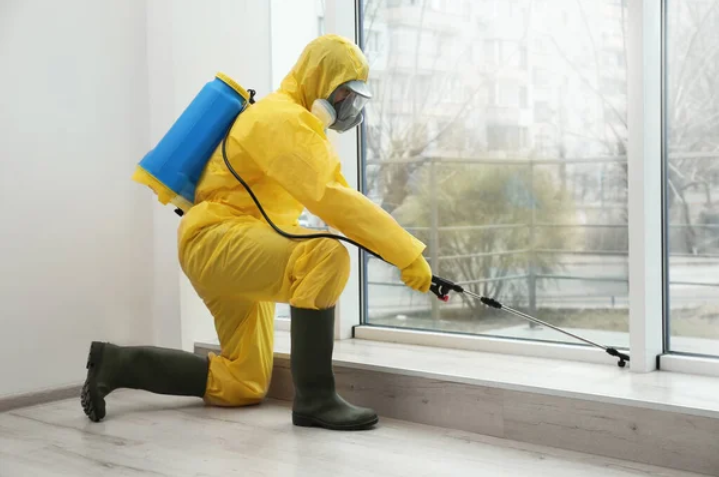
When it comes to keeping pests out of the home, everyone seems to have an opinion. Advice gets passed down from family members, shared confidently online, and repeated so often that it starts to sound like established fact. The problem is, a lot of common Pest Control advice is either outdated, oversimplified, or simply wrong — and following it can leave your home more vulnerable, not less.
This guide takes a close look at some of the most widespread pest control myths and explains what's actually true, so you can make decisions based on facts rather than folklore.
Myth 1: "A Clean Home Never Gets Pests"
This is one of the most persistent misconceptions out there. While cleanliness genuinely helps reduce the food and water sources that attract pests, it's far from a guarantee against infestation.
The reality: Pests like termites are drawn to structural and environmental factors — moisture, wood-to-ground contact, cracks in the foundation — that have nothing to do with how clean your home is. Even the tidiest household can develop a termite problem if the right conditions exist. Similarly, spiders and certain other pests enter homes seeking shelter, not necessarily food, meaning cleanliness alone won't keep them out. A clean home certainly reduces risk for pests like ants and cockroaches, but it's not a complete defence on its own.
Myth 2: "If I Can't See Pests, I Don't Have a Problem"
It's natural to assume that no visible pests means no infestation, but this is one of the more dangerous myths in pest control, particularly when it comes to certain species.
The reality: Many of the most damaging pests operate largely out of sight. Termites often work within wall cavities or beneath flooring for months or years before any visible sign appears. Bed bugs are skilled at hiding in small crevices during the day, only becoming active at night. Rodents, too, can remain hidden within walls or roof cavities for extended periods. Relying solely on visible sightings means you're likely to miss these pests until significant damage or population growth has already occurred, which is exactly why regular inspections matter so much.
Myth 3: "DIY Sprays Are Just as Effective as Professional Treatment"
With so many pest control products available at the supermarket, it's easy to assume they offer comparable results to professional treatment.
The reality: While DIY sprays can be effective for minor, isolated issues, they typically only address the pests you can see, not the underlying nest, colony, or entry point causing the problem. Professional treatments are generally more targeted, using products and techniques not available to consumers, along with the training to properly diagnose and treat the actual source of the infestation. For pests like termites or bed bugs, DIY products are rarely sufficient on their own to resolve an established problem.
Myth 4: "Cats Will Keep Rodents Away"
Cats have a longstanding reputation as natural pest deterrents, and while there's some truth to this, it's often overstated.
The reality: While cats may catch the occasional mouse, they're far from a reliable rodent control solution, particularly for a genuine infestation. Rats, in particular, can be too large or aggressive for many cats to effectively deter. Additionally, a cat's presence doesn't address the underlying issue — accessible food, water, or entry points — that attracted rodents in the first place. Relying on a pet as your primary pest control strategy often leaves the actual source of the problem unaddressed.
Myth 5: "Ultrasonic Pest Repellents Solve Everything"
Ultrasonic devices, which claim to repel pests using sound waves outside human hearing range, have become a popular, low-effort solution marketed to homeowners.
The reality: The scientific evidence supporting ultrasonic pest repellents is limited and inconsistent at best. While some studies show minor, short-term effects on certain pests, most research suggests these devices are not a reliable standalone solution for genuine infestations. They may offer some marginal deterrent effect, but they shouldn't be relied upon as your primary defence against an established pest problem.
Myth 6: "Termites Only Affect Old Houses"
Many homeowners assume that termite risk is primarily a concern for older properties, leading newer homeowners to overlook regular inspections.
The reality: Termites don't discriminate based on a home's age — they're drawn to conditions like moisture, wood-to-ground contact, and nearby food sources, all of which can exist in both new and older properties. In fact, some newer homes may be at increased risk if landscaping, garden beds, or irrigation systems create favourable moisture conditions close to the foundation. Regardless of your home's age, regular termite inspections remain an important preventive measure.
Myth 7: "One Treatment Solves the Problem Permanently"
It's a comforting thought: pay for a single treatment, and your pest problem is solved for good. Unfortunately, this isn't usually how effective pest control works.
The reality: While a single treatment can effectively address an existing infestation, ongoing prevention is usually necessary to keep pests from returning, particularly given that conditions attracting pests — moisture, accessible food, entry points — often persist unless specifically addressed. This is exactly why many pest control providers recommend ongoing or seasonal treatment plans rather than a single, one-off visit, particularly for properties with a history of recurring issues.
Myth 8: "Natural Remedies Are Always Just as Effective as Chemical Treatments"
As eco-friendly pest control has grown in popularity, so has the assumption that natural remedies can fully replace chemical treatments in every situation.
The reality: Natural remedies can be genuinely effective for prevention and minor pest issues, but they generally aren't sufficient for established or severe infestations, particularly involving pests like termites or bed bugs. Natural methods often work best as a complementary layer of protection alongside, rather than as a full replacement for, professional treatment when a significant infestation is involved.
Myth 9: "Pest Control Chemicals Are Always Dangerous to Pets and Children"
Concerns about chemical safety are understandable, but this myth often leads homeowners to avoid necessary professional treatment altogether.
The reality: While it's true that some pesticides can pose risks if misused, licensed professionals are trained to apply treatments safely, often using products specifically formulated to minimise risk to children and pets when applied correctly. Reputable providers can also discuss low-toxicity or eco-friendly options if this is a particular concern for your household. Avoiding necessary treatment out of blanket chemical concern can allow a genuine pest problem, with its own health risks, to worsen instead.
Myth 10: "Once Pests Are Gone, You Don't Need to Worry Anymore"
After a successful treatment, it's tempting to assume the problem is fully behind you and no further action is needed.
The reality: Unless the underlying conditions that attracted pests in the first place are addressed — moisture issues, accessible food sources, unsealed entry points — there's a real risk of re-infestation. Ongoing prevention, and in many cases periodic professional inspections, remain important even after a successful treatment, particularly for pests like termites that can pose recurring risk over time.
Myth 11: "All Spiders Are Dangerous and Need to Be Eliminated"
Spiders often get an outsized reputation for danger, leading some homeowners to treat every sighting as an emergency.
The reality: The vast majority of spiders found in and around homes are harmless and even beneficial, since they feed on other insects. While it's reasonable to want to manage spider populations, particularly if venomous species are present in your area, treating every spider sighting as a crisis isn't necessary or particularly effective. A more balanced approach — reducing clutter, sealing entry points, and addressing genuinely concerning species — tends to be far more practical.
Myth 12: "Bigger Infestations Just Need Stronger Chemicals"
It's a common assumption that a larger or more established pest problem simply calls for a more aggressive chemical response.
The reality: Effective pest control isn't just about the strength of the product used — it's about accurately identifying the pest, understanding its behaviour, and targeting the actual source of the infestation, whether that's a nest, colony, or specific entry point. Simply increasing the intensity of a chemical treatment without addressing the underlying cause often fails to resolve the problem and can introduce unnecessary risk. A well-diagnosed, targeted approach is generally far more effective than an aggressive but poorly directed one.
Why These Myths Matter
Believing these misconceptions isn't just a matter of being misinformed — it can lead to real consequences, including:
Delayed treatment while relying on ineffective methods
Increased structural or property damage, particularly with pests like termites
Wasted money on products or approaches that don't address the underlying problem
Ongoing, recurring pest issues due to unaddressed root causes
Separating fact from fiction allows you to make more informed decisions, respond appropriately to genuine pest risks, and avoid unnecessary worry over exaggerated ones.
How to Get Reliable Pest Control Information
Given how much misinformation circulates around pest control, it's worth relying on credible sources when making decisions about your home:
Licensed, experienced pest control professionals
Reputable, evidence-based resources rather than anecdotal advice
Direct consultation for your specific property and pest concerns, rather than generic online advice
Final Thoughts
Pest control is an area where myths and misconceptions can genuinely work against you, whether by delaying necessary treatment or leading to wasted effort on ineffective solutions. By understanding the real facts behind common pest control myths, you're far better equipped to protect your home effectively, rather than relying on outdated or oversimplified advice.
If you're unsure about the best approach for a specific pest concern, it's worth consulting professionals who can offer accurate, tailored guidance based on your actual property and situation. Pest Control provides expert inspections and evidence-based treatment plans, helping homeowners cut through the misinformation and address pest problems with real, lasting solutions.
When it comes to protecting your home, facts — not folklore — should always guide your approach to pest control.
Powered by Froala Editor

About the author
PostSphere
🌟 Helping businesses grow through SEO, guest posting, and expert link building. Let your content speak on the right platforms.
Last updated . If you spot an error, contact our newsroom with the article link and supporting information.