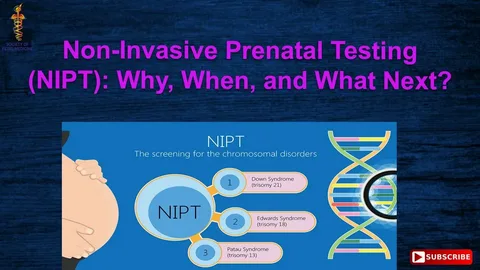
Questions about biological parentage can arise during pregnancy for many reasons. In the past, expectant mothers who wanted to determine paternity before birth often had to wait until the baby was born or undergo invasive medical procedures that carried certain risks. Today, advancements in genetic science have made it possible to establish paternity safely during pregnancy through a Non Invasive Prenatal Paternity Test.
A Non Invasive Prenatal Paternity Test (NIPP) is a highly accurate DNA test that determines whether an alleged father is the biological father of an unborn child. Unlike older prenatal testing methods, this test does not require collecting samples directly from the fetus, making it a safer option for both the mother and the baby.
As DNA technology continues to evolve, non-invasive prenatal testing has become an increasingly popular choice for families seeking early answers and peace of mind.
What Is a Non Invasive Prenatal Paternity Test?
A Non Invasive Prenatal Paternity Test uses advanced DNA analysis to compare the genetic material of the alleged father with fetal DNA naturally present in the mother's bloodstream.
During pregnancy, small fragments of the baby's DNA circulate in the mother's blood. By collecting a blood sample from the mother and a DNA sample from the alleged father, accredited laboratories can analyze genetic markers and determine paternity with a very high degree of accuracy.
This process eliminates the need for invasive procedures such as amniocentesis or chorionic villus sampling (CVS), which may involve certain medical risks.
How the Testing Process Works
The testing process is relatively simple and straightforward.
Step 1: Maternal Blood Collection
A healthcare professional collects a blood sample from the pregnant mother. The sample contains both maternal DNA and fetal DNA fragments.
Step 2: Alleged Father's DNA Collection
The alleged father typically provides a cheek swab sample. The process is painless, quick, and non-invasive.
Step 3: Laboratory Analysis
The samples are sent to an accredited laboratory where advanced genetic testing technology is used to compare DNA markers between the fetus and the alleged father.
Step 4: Results Delivery
After analysis is complete, a detailed report is issued indicating whether the tested man can be included or excluded as the biological father.
Most laboratories provide results within a few business days, depending on the testing provider and laboratory processing times.
Benefits of Non Invasive Prenatal Paternity Testing
Safe for Mother and Baby
One of the biggest advantages of a Non Invasive Prenatal Paternity Test is safety. Since only a blood sample from the mother and a cheek swab from the alleged father are required, there is no physical risk to the pregnancy.
Early Answers During Pregnancy
Many expectant parents prefer obtaining answers before birth rather than waiting several months after delivery. Early knowledge can help families prepare emotionally, financially, and legally.
High Accuracy
Modern prenatal DNA testing technology provides extremely accurate results. When paternity is confirmed, the probability of paternity typically exceeds 99.9%, making the test highly reliable.
Confidential and Private
Professional testing providers follow strict confidentiality procedures to protect sensitive personal information throughout the testing process.
Who May Need a Non Invasive Prenatal Paternity Test?
There are several situations in which prenatal paternity testing may be beneficial:
Confirming biological paternity during pregnancy
Resolving family uncertainties
Supporting legal or personal decision-making
Preparing for future parental responsibilities
Establishing peace of mind before birth
Regardless of the reason, obtaining accurate information from a trusted testing provider is essential.
Real Case Study: Seeking Clarity Before Birth
A pregnant woman found herself uncertain about the biological father of her unborn child. The situation created emotional stress for everyone involved, and waiting until birth would have prolonged the uncertainty for several months.
After consulting a professional DNA testing provider, she chose a Non Invasive Prenatal Paternity Test. A blood sample was collected from the mother while the alleged father provided a cheek swab sample. The laboratory analyzed the DNA markers and delivered highly accurate results within days.
The test confirmed biological paternity, allowing both parents to move forward with confidence and begin preparing for the child's arrival. The early answers helped reduce anxiety and allowed important family discussions to take place before the baby was born.
Cases like this demonstrate how modern DNA testing technology can provide clarity and reassurance during a challenging time.
Choosing a Reliable Prenatal DNA Testing Provider
Because prenatal paternity testing involves sensitive family matters, selecting a trusted provider is critical. Individuals should look for providers that work with accredited laboratories, maintain strict quality standards, and offer professional customer support throughout the testing process.
Trusted providers such as Face DNA Test offer access to reliable Non Invasive Prenatal Paternity Test services through accredited laboratory partners. By prioritizing accuracy, confidentiality, and professional testing procedures, Face DNA Test helps families obtain trustworthy answers during pregnancy.
The company provides support throughout the testing journey, ensuring clients understand the process and receive results from experienced DNA testing professionals.
Final Thoughts
A Non Invasive Prenatal Paternity Test has transformed the way paternity can be established during pregnancy. By using advanced genetic science and a simple blood sample from the mother, this testing method provides highly accurate answers without exposing the pregnancy to unnecessary risks.
For individuals seeking clarity before birth, prenatal DNA testing offers a safe, reliable, and confidential solution. Working with an experienced provider such as Face DNA Test can help ensure accurate results and a professional testing experience from start to finish.
As prenatal DNA technology continues to advance, more families are choosing non-invasive testing as a trusted way to obtain important answers before welcoming a new child into the world.
Powered by Froala Editor
You may also like
More from this category.
Can Ayurvedic Treatment Help With Recurring Sinus Congestion?

1000. Hemoptysis doctor appointment appointment in Chandigarh at IRFacilities - Tips, Strategies and Examples.

Why Value Access and Supply Chain Strategy Now Overlap

India Milk Market Innovation and Premiumization Redefining Dairy Demand

รีวิวคาสิโนออนไลน์ 10 อันดับ พร้อมแนวทางเลือกเว็บไซต์คาสิโน

Casino Non AAMS: Guida Completa a Giochi e Pagamenti

Casino Non AAMS in Italia: Guida Completa al Confronto

Migliori casino non AAMS: confronto completo per italiani

Organic Maitake Mushroom Powder Bulk: A Practical Sourcing Perspective for B2B Buyers