What Are the Most Effective Eyelid Xanthelasma Removal Techniques?
Story details
- Written by
- Royal Clinic
- Published
- Read time
- 5 min
- Reads
- 17
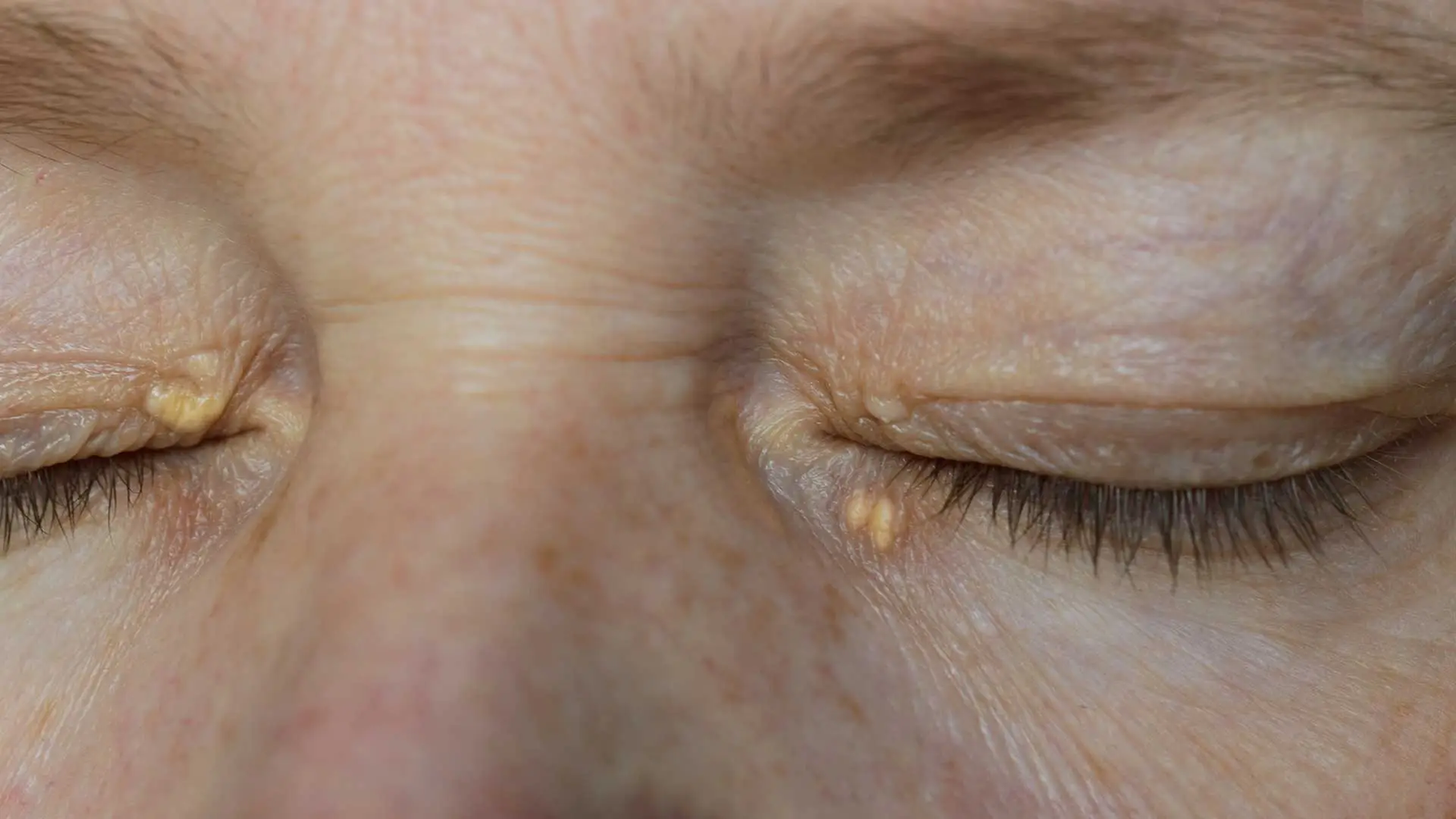
Xanthelasma are soft, yellowish cholesterol deposits that typically develop on or around the eyelids, often appearing gradually and becoming more noticeable over time. While they are medically harmless in most cases, they can affect facial appearance and confidence, especially when they grow or become multiple. Modern dermatological advancements have made it possible to address this condition effectively through several minimally invasive and precise approaches. One of the most sought-after solutions today is Eyelid Xanthelasma Removal in Dubai, which focuses on safely eliminating these deposits while preserving the delicate structure of the eyelid area.
What Is Eyelid Xanthelasma
Xanthelasma refers to localized lipid accumulations under the skin, most commonly found on the inner corners of the upper or lower eyelids. These deposits are typically soft, flat, and yellowish in color. Although they are not painful, they tend to be persistent and may slowly increase in size if underlying lipid levels are not managed.
The presence of xanthelasma is sometimes associated with elevated cholesterol levels, but it can also occur in individuals with normal lipid profiles. This makes it important to evaluate both cosmetic and internal health factors when addressing the condition.
Causes of Eyelid Xanthelasma Formation
The formation of xanthelasma is linked to lipid metabolism imbalance, where fats accumulate in certain areas of the skin instead of being properly processed by the body. High levels of LDL cholesterol and triglycerides are often associated with these deposits.
Genetic predisposition also plays a significant role, as some individuals are more likely to develop xanthelasma regardless of their diet or lifestyle. Additionally, age-related metabolic changes can increase the likelihood of their appearance.
Other contributing factors may include hormonal changes, insulin resistance, and long-term inflammatory processes that affect lipid distribution in the body.
Why Removal Becomes Necessary
Although xanthelasma does not usually pose a medical risk, many individuals choose removal due to aesthetic concerns. The eyelids are a highly visible facial feature, and even small deposits can impact overall facial harmony.
In some cases, xanthelasma may gradually enlarge or recur, making early intervention more practical. Removal techniques are designed not only to improve appearance but also to minimize recurrence when combined with lifestyle adjustments.
Laser-Based Removal Techniques
Laser treatment is one of the most widely used methods for addressing xanthelasma due to its precision and controlled depth. It works by targeting the lipid deposits with focused energy, breaking down the affected tissue layer by layer.
This approach is favored for its ability to minimize damage to surrounding skin, which is especially important in the delicate eyelid area. Recovery is typically smooth, with reduced risk of scarring when performed correctly.
Chemical Cauterization Approach
Chemical cauterization involves the application of specially formulated agents that break down xanthelasma tissue gradually. This method works by creating a controlled chemical reaction that destroys abnormal lipid deposits.
It is often used for smaller or superficial lesions and requires careful application to avoid affecting healthy surrounding skin. Over time, the treated area naturally regenerates with improved texture and appearance.
Cryotherapy Technique
Cryotherapy uses controlled freezing temperatures to destroy xanthelasma cells. The extreme cold causes the lipid-filled cells to break down, allowing the body to naturally eliminate them over time.
This method is generally quick and effective for certain types of lesions. However, precision is essential due to the sensitivity of the eyelid area, and careful application helps reduce the risk of pigmentation changes.
Surgical Excision Method
Surgical excision involves the direct removal of xanthelasma deposits using fine, precise techniques. This method is typically considered for larger or more deeply rooted lesions.
It allows immediate removal and is often selected when other techniques may not provide complete results. The procedure focuses on preserving natural eyelid contours while ensuring complete clearance of deposits.
Radiofrequency-Based Treatment
Radiofrequency technology uses controlled energy waves to break down xanthelasma tissue with high precision. The heat generated targets lipid accumulations while minimizing impact on surrounding skin structures.
This method is valued for its controlled depth and reduced healing time, making it a suitable option for delicate facial regions. It also supports smoother skin recovery with minimal disruption.
Electrocautery Technique
Electrocautery uses targeted electrical energy to remove xanthelasma deposits by carefully heating and dissolving the affected tissue. It allows precise control over treatment depth and is commonly used for moderate lesions.
The controlled heat application helps reduce bleeding and supports clean removal, making it an efficient option for localized deposits.
Recovery and Aftercare Considerations
Recovery following xanthelasma removal depends on the technique used, but most approaches involve mild redness or temporary swelling that gradually subsides. Proper aftercare plays a crucial role in ensuring smooth healing and minimizing the chance of recurrence.
Keeping the treated area clean, avoiding excessive sun exposure, and following a balanced skincare routine are important steps. In some cases, lifestyle modifications such as dietary adjustments may also support long-term results.
Safety and Long-Term Management
All eyelid treatments require careful handling due to the thin and sensitive nature of the skin in this area. Selecting the appropriate technique is essential for achieving safe and natural-looking outcomes.
Long-term management may include monitoring cholesterol levels and maintaining a healthy lifestyle, especially when xanthelasma is linked to lipid imbalance. Preventive care helps reduce the likelihood of new deposits forming.
Preventive Strategies for Better Skin Health
Preventing recurrence involves a combination of internal and external care strategies. Maintaining balanced lipid levels through diet and regular health monitoring can significantly reduce risk factors.
Consistent skincare practices, avoiding excessive friction around the eyes, and protecting the skin from environmental stressors also contribute to maintaining clearer eyelids over time.
Book Us
For individuals seeking advanced solutions and professional care for Eyelid Xanthelasma Removal, modern techniques offer effective and refined results tailored to delicate eyelid anatomy. At Enfield Royal Clinic Dubai, specialized approaches are designed to ensure precision, safety, and natural-looking outcomes while prioritizing patient comfort and skin integrity.
Powered by Froala Editor

About the author
Royal Clinic
Contributor to TVL Health by The Viral Lines.
Last updated . If you spot an error, contact our newsroom with the article link and supporting information.