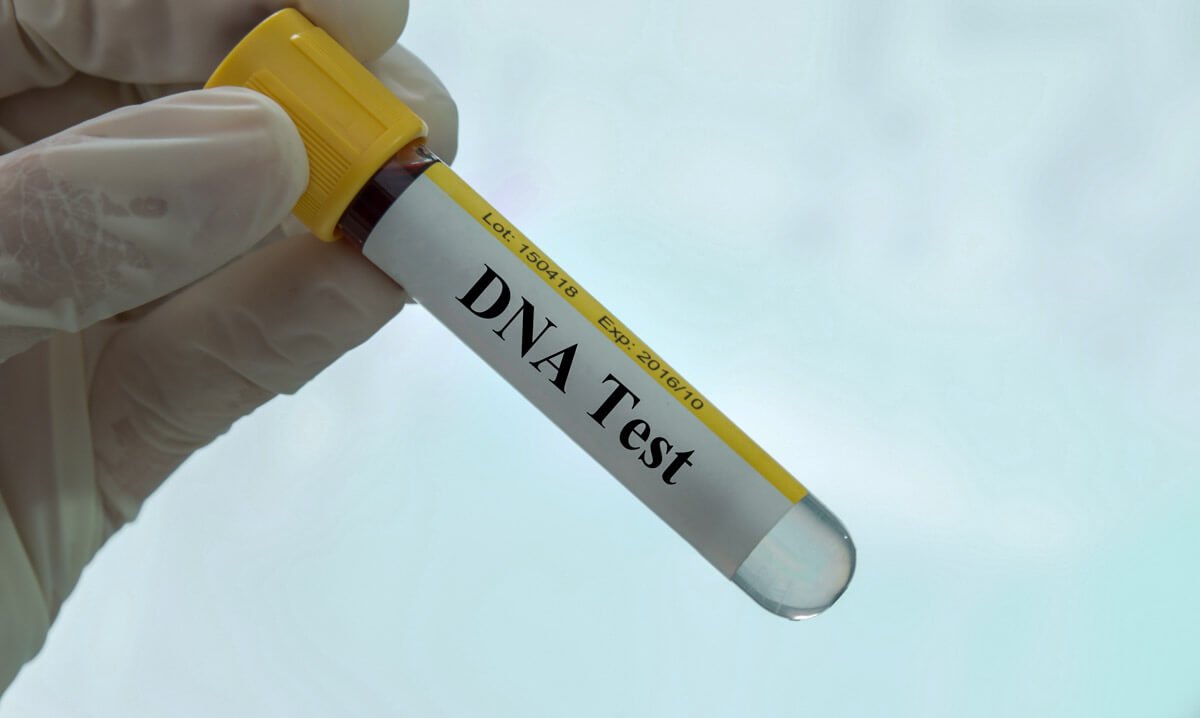
There are many types of DNA tests available. If you want to know about genetic connections, it is better to trust a home DNA testing kit. If the test results need to be recognized by courts or immigration authorities, then it is best to get a legal DNA test.
Choosing an inappropriate test may lead to many obstacles such as delays and extra costs.
This guide shows when a legal DNA test is required and the difference between a legal DNA test and a DNA paternity test that is performed for personal reasons, as well as whether a home DNA test is adequate for one's needs.
What Is a Legal DNA Test?
A legal DNA test is a laboratory DNA analysis performed under documented procedures that establish the identity of every participant and maintain an unbroken chain of custody from sample collection through laboratory processing.
Unlike personal DNA tests, legal testing requires the following:
Government-issued identification
Witnessed sample collection
Verified participant photographs where required
Chain-of-custody documentation
Secure transportation of samples
Accredited laboratory analysis
These safeguards help ensure the results can be accepted by courts, immigration authorities, and other official organizations when required.
When Is a Legal DNA Test Required?
Many people only discover they need legal testing after submitting a personal DNA result that cannot be accepted by an authority.
A legal DNA test may be required for situations such as:
Family Court Proceedings
Courts may request DNA evidence when determining legal parentage, child custody matters, or other family law disputes.
Immigration Applications
Some immigration authorities request DNA testing when documentary evidence is insufficient to confirm a claimed biological relationship.
Birth Registration or Parentage Issues
In certain circumstances, DNA evidence may be required to establish legal parentage before official records can be updated.
Estate and Inheritance Matters
Where biological relationships affect inheritance rights, courts or legal representatives may request legally admissible DNA evidence.
Because requirements vary between countries and jurisdictions, it's always advisable to confirm the specific testing standards required before arranging a test.
Legal DNA Test vs. DNA Paternity Test
One of the most common misunderstandings is that every DNA paternity test is automatically suitable for legal use. In reality, the difference usually lies in how the samples are collected, not in the laboratory science itself.
If results will be presented to a legal authority, it's important to arrange the correct type of testing from the beginning.
Is a Home DNA Test Kit Ever the Right Choice?
A home DNA test kit can be a convenient option when the purpose is personal information rather than legal documentation.
People commonly choose home testing to:
Confirm biological relationships privately
Explore family questions
Gain peace of mind before deciding on legal testing
However, because participants collect their own samples, home tests generally do not include identity verification or chain-of-custody procedures. As a result, they are usually not accepted for legal proceedings.
If there is any possibility that the results may later be needed for court or immigration purposes, arranging legal testing from the outset is often the better option.
How to Choose a Reliable Legal DNA Testing Provider
Selecting the right laboratory is just as important as choosing the correct type of test. A reputable provider should explain the process clearly and follow recognized quality standards throughout every stage of testing.
When comparing providers, look for organizations that:
Use accredited laboratories
Follow documented chain-of-custody procedures
Verify participant identity correctly
Explain legal and personal testing options clearly
Protect participant privacy and confidential information
Provide experienced customer support throughout the testing process
Established DNA testing providers, such as Choice DNA, offer both personal and legal DNA testing services for paternity, immigration, and relationship testing. Providers in this field typically follow recognized laboratory procedures and legal requirements when testing is intended for official or court-related purposes.
For individuals undergoing legal DNA testing, clear communication and professional guidance can make the process easier to navigate. A reliable provider can explain the testing procedure, documentation requirements, and chain-of-custody process, helping clients understand what to expect throughout the testing experience.
Conclusion
DNA testing for the purposes of forensic science brings benefits not only in terms of genetic analysis but also involves procedures that are used legally. Knowing the differences between legal DNA testing and personal DNA testing can be of great help in saving time and avoiding potential problems in family law and other related fields. To save time, determine whether you need legally established results for your particular situation. In case of any uncertainty, consultation with a worker experienced in the DNA testing field or a lawyer will be the right thing to do.
Powered by Froala Editor
You may also like
More from this category.

Confronto Casino Non AAMS per Giocatori Italiani

Best Medical Billing Company USA: 7 Factors to Consider Before Outsourcing

Guida ai Casino Non AAMS per Utenti Italiani

Cali THC Vapes: Exploring the Brand and Its Online THC Vape Range

How to Set Up a CBG Plant ;-Under the SATAT Scheme: Complete Process for Entrepreneurs

Best ENT Specialist in Lahore Near Me Johar Town | Dr. Zahra Aleem

Your Ultimate Destination for Canadian Food and Snacks in the USA

Lip Reduction Surgery for Smaller, Balanced Lips

United States Rheumatoid Arthritis Therapeutics Market Biologics, DMARDs & JAK Inhibitors