How much fat can be removed during liposuction?
Story details
- Written by
- Dr Atta Ul Haq
- Published
- Read time
- 6 min
- Reads
- 1
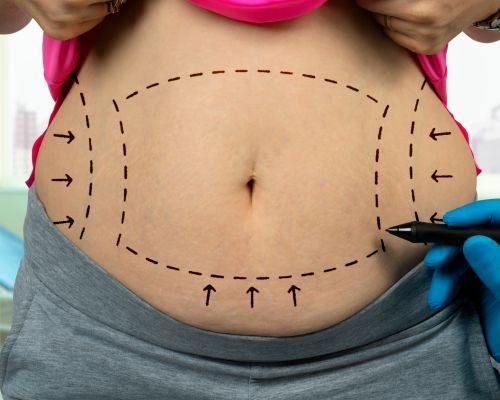
Liposuction has become one of the most sought-after cosmetic procedures for individuals looking to eliminate stubborn fat deposits and achieve a more sculpted body. Whether you are struggling with fat that resists diet and exercise or simply want to improve your body contours, understanding how much fat can be removed during liposuction is essential before making an informed decision.
If you are considering liposuction in Lahore, knowing the procedure's safe limits, expected results, recovery process, and ideal candidate profile can help you set realistic expectations. This comprehensive guide covers everything you need to know.
What Is Liposuction?Liposuction is a cosmetic surgical procedure designed to permanently remove localized fat deposits from various areas of the body. Unlike weight-loss surgery, liposuction focuses on reshaping and contouring specific body areas rather than treating obesity.
Common treatment areas include:
Abdomen
Waist
Love handles
Hips
Thighs
Buttocks
Arms
Back
Chest
Chin and neck
Calves
Modern liposuction techniques allow surgeons to remove fat with greater precision while minimizing trauma to surrounding tissues.
How Much Fat Can Be Safely Removed During Liposuction?One of the most common questions patients ask is, "How much fat can be removed during liposuction?"
The answer depends on several medical factors, including the patient's overall health, body weight, treatment areas, and surgeon's assessment.
In general, up to 5 liters (approximately 11 pounds) of fat and fluid is considered the commonly accepted safe limit during a single outpatient liposuction procedure. In selected cases performed in fully equipped hospitals with proper monitoring, larger volumes may be removed when medically appropriate.
The primary goal is not removing the maximum amount of fat but achieving safe, balanced, and natural-looking body contours.
Why There Is a Safety LimitRemoving excessive fat during one procedure increases the risk of complications such as:
Excessive blood loss
Fluid imbalance
Infection
Prolonged swelling
Delayed healing
Irregular body contours
Skin laxity
Blood clots
Experienced plastic surgeons always prioritize patient safety over aggressive fat removal.
Factors That Determine How Much Fat Can Be RemovedSeveral factors influence the amount of fat that can safely be extracted.
1. Body Mass Index (BMI)
Patients with a healthy or moderately elevated BMI usually achieve the best liposuction results. Individuals with severe obesity may require weight reduction before surgery.
2. Overall Health
Good cardiovascular health, normal blood pressure, and absence of uncontrolled medical conditions improve surgical safety.
3. Skin Elasticity
Healthy, elastic skin contracts better after fat removal, creating smoother body contours.
Poor skin elasticity may require additional procedures such as a tummy tuck or body lift.
4. Number of Treatment Areas
Removing fat from multiple areas during one surgery affects the total volume that can safely be removed.
5. Surgeon Experience
An experienced board-certified plastic surgeon carefully evaluates every patient to determine the safest fat removal volume.
Is More Fat Removal Always Better?Absolutely not.
Many patients mistakenly believe removing the maximum amount of fat guarantees the best results.
In reality, excessive fat removal can cause:
Uneven contours
Skin depressions
Loose skin
Asymmetry
Poor cosmetic outcomes
The best liposuction results come from strategic fat removal rather than aggressive suctioning.
How Many Pounds Can You Lose After Liposuction?Liposuction is not a weight-loss procedure.
Although patients may lose between 2 to 10 pounds, depending on the amount of fat removed, the primary benefit is improved body shape rather than lower body weight.
Many people notice:
Smaller waistline
Better clothing fit
Improved body proportions
Enhanced confidence
Modern liposuction can effectively target numerous body regions.
Abdomen
The abdomen is the most commonly treated area, helping create a flatter and firmer stomach.
Waist and Love Handles
Removing excess fat from the waist creates a more defined silhouette.
Thighs
Both inner and outer thighs can be reshaped for improved body proportions.
Arms
Arm liposuction reduces excess fat that creates the appearance of "bat wings."
Back
Back fat around the bra line and lower back responds very well to liposuction.
Chin and Neck
Small-volume liposuction can dramatically improve jawline definition.
Chest
Male chest liposuction is commonly performed for gynecomastia.
Who Is the Ideal Candidate for Liposuction?The best candidates are individuals who:
Are close to their ideal weight
Have stubborn fat deposits
Maintain a healthy lifestyle
Have realistic expectations
Do not smoke
Have good skin elasticity
Are physically healthy
Patients expecting liposuction to replace diet and exercise are generally not ideal candidates.
Popular Liposuction TechniquesModern cosmetic surgery offers several advanced liposuction methods.
Tumescent Liposuction
The most widely used technique, involving the injection of a specialized fluid that reduces bleeding and improves fat removal.
Power-Assisted Liposuction (PAL)
Uses a vibrating cannula to break up fat more efficiently.
Ultrasound-Assisted Liposuction (UAL)
Ultrasonic energy liquefies fat before removal.
VASER Liposuction
An advanced ultrasound-based technology that selectively targets fat while preserving surrounding tissues.
Laser-Assisted Liposuction
Laser energy melts fat and may stimulate mild skin tightening.
Recovery After LiposuctionRecovery varies depending on the volume of fat removed and the number of treatment areas.
Most patients experience:
Mild swelling
Bruising
Temporary soreness
Fluid drainage
Tightness
Compression garments are typically worn for several weeks to reduce swelling and support healing.
Many individuals return to office work within one week, while strenuous exercise is usually resumed after four to six weeks.
When Will Results Be Visible?Initial improvements become noticeable after swelling begins to subside.
Typical recovery timeline:
Week 1: Swelling and bruising
Week 3: Visible improvement
Month 2: Better body contour
Month 3–6: Final results
Patience is essential, as the body continues healing for several months.
Can Fat Return After Liposuction?Fat cells removed during liposuction are permanently eliminated.
However, remaining fat cells can enlarge if patients gain significant weight.
Maintaining results requires:
Regular exercise
Healthy nutrition
Stable body weight
Adequate hydration
Consistent lifestyle habits
Patients choosing liposuction in Lahore often benefit from:
Advanced cosmetic surgery facilities
Experienced plastic surgeons
Modern liposuction technologies
Personalized treatment plans
Competitive treatment costs
Comprehensive pre-operative evaluation
Professional post-operative care
Selecting an experienced surgeon is one of the most important decisions for achieving safe, natural-looking results.
Preparing for Liposuction SurgeryBefore surgery, patients should:
Complete a medical evaluation.
Stop smoking if advised.
Avoid blood-thinning medications as directed.
Maintain a healthy diet.
Stay hydrated.
Arrange transportation after surgery.
Prepare a comfortable recovery area at home.
Following pre-operative instructions helps reduce complications and supports a smoother recovery.
Risks and Possible ComplicationsAlthough liposuction is generally safe when performed by qualified professionals, potential risks include:
Infection
Bleeding
Seroma
Contour irregularities
Temporary numbness
Swelling
Scarring
Fluid accumulation
Skin discoloration
Careful surgical planning and adherence to aftercare instructions significantly reduce these risks.
Frequently Asked QuestionsHow much fat can be removed during one Cprocedure?
Most surgeons consider up to 5 liters of fat and fluid a commonly accepted safe limit for outpatient procedures, though recommendations vary based on individual circumstances.
Can liposuction help with weight loss?
No. Liposuction is intended for body contouring rather than significant weight reduction.
Is liposuction permanent?
Yes. Removed fat cells do not return, but weight gain can enlarge the remaining fat cells.
Is liposuction painful?
Patients typically experience mild discomfort during recovery, which is managed with prescribed medication.
How long does swelling last?
Most swelling improves within several weeks, while final results continue to refine over three to six months.
Can multiple areas be treated at once?
Yes. Multiple body areas can often be treated during one procedure, provided it is medically appropriate.
Final ThoughtsUnderstanding how much fat can be removed during liposuction is essential for setting realistic expectations and achieving safe, aesthetically pleasing results. Rather than focusing on removing the greatest possible volume of fat, successful liposuction emphasizes balanced body contouring, patient safety, and long-term satisfaction. For individuals considering liposuction in Lahore, choosing an experienced plastic surgeon, following pre- and post-operative instructions, and maintaining a healthy lifestyle are the keys to achieving lasting, natural-looking body contours.
Visit Us: https://drattaplasticsurgeon.com/liposuction/
Powered by Froala Editor
About the author
Dr Atta Ul Haq
Dr Atta Plastic Surgeon is a trusted destination for advanced cosmetic and reconstructive plastic surgery. Led by experienced surgeon Dr. Atta, we provide personalized treatments, natural-looking results, and exceptional patient care. Our …
Last updated . If you spot an error, contact our newsroom with the article link and supporting information.