Introduction
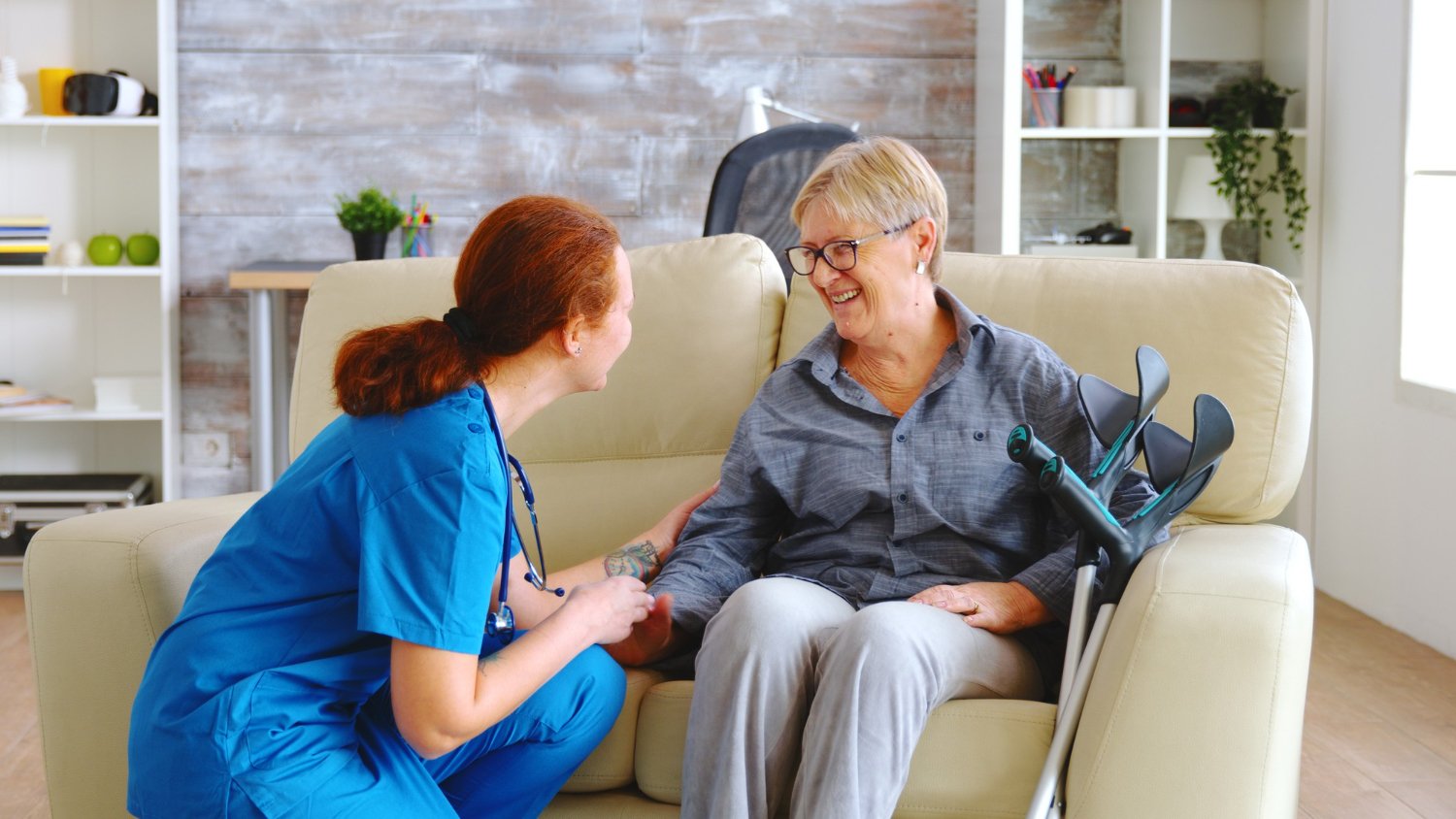
Maintaining independence is one of the most important goals for individuals facing aging, illness, injury, or disability. The ability to remain in a familiar environment while managing daily routines contributes significantly to emotional well-being, confidence, and overall quality of life. Many people prefer staying in their own homes rather than relocating to assisted living facilities because home offers comfort, familiarity, and a sense of control. In-home support has become an effective solution for those who need assistance without sacrificing their independence. Professional caregivers provide personalized assistance that allows individuals to continue making their own decisions while receiving the level of help they require. This balanced approach promotes dignity, safety, and better health outcomes, enabling people to live fulfilling lives in the place they know best.
Encouraging Independence Through Personalized Care
Every individual has unique needs, abilities, and personal preferences. In-home support recognizes these differences by creating personalized care plans that focus on strengthening independence instead of replacing it. Rather than doing everything for the individual, caregivers encourage participation in everyday activities whenever possible. This approach helps maintain physical abilities, cognitive function, and self-confidence. Whether assistance is needed with meal preparation, mobility, medication reminders, or personal hygiene, support is provided in a way that respects the individual's capabilities. Personalized care also evolves as needs change, ensuring that assistance remains appropriate without becoming unnecessarily restrictive.
Promoting Safety Without Limiting Freedom
Safety concerns often lead families to consider institutional care, but many risks can be effectively managed within the home environment. Professional caregivers identify potential hazards such as loose rugs, poor lighting, slippery floors, or difficult stairways and recommend practical improvements. They assist with mobility, monitor health conditions, and help prevent falls without taking away personal freedom. Individuals continue to enjoy their favorite activities, maintain familiar routines, and move around their homes with greater confidence. This balance between safety and independence reduces anxiety for both clients and family members while preserving a sense of normalcy.
Supporting Daily Living Activities
Simple daily tasks can become challenging due to age, chronic illness, or recovery from surgery. Assistance with bathing, dressing, grooming, meal preparation, light housekeeping, laundry, and grocery shopping allows individuals to continue living comfortably at home. Instead of feeling overwhelmed by daily responsibilities, they receive practical help that makes everyday life more manageable. Importantly, caregivers encourage active participation whenever possible, helping clients remain engaged in their routines instead of becoming dependent. Maintaining involvement in daily activities contributes to both physical health and emotional well-being.
Building Confidence Through Compassionate Assistance
Confidence plays a major role in maintaining independence. Individuals who struggle with daily tasks may lose motivation or become hesitant to perform activities they once enjoyed. Compassionate caregivers provide encouragement while respecting personal choices and privacy. Their support helps individuals regain confidence in managing daily responsibilities, participating in hobbies, and maintaining social connections. As confidence grows, many individuals become more willing to remain active and engaged within their communities. Emotional reassurance from trusted caregivers often has lasting positive effects on mental health and overall happiness.
Improving Health Management
Managing medications, medical appointments, and chronic health conditions can become increasingly difficult over time. Reliable caregivers assist with medication reminders, monitor changes in health, and communicate important observations to family members or healthcare professionals. Many families also benefit from home health services, which provide skilled nursing, rehabilitation, therapy, and other medical support within the comfort of the home. This coordinated approach allows individuals to recover more effectively, manage chronic illnesses, and avoid unnecessary hospital visits while maintaining greater independence in their daily lives.
Reducing Stress for Family Caregivers
Family members often take on caregiving responsibilities while balancing careers, parenting, and other obligations. Although they provide valuable emotional support, the physical and emotional demands of caregiving can become overwhelming. Professional in-home support offers families peace of mind by sharing these responsibilities. Caregivers provide consistent assistance while allowing family members to focus on spending meaningful time with their loved ones rather than constantly managing daily care tasks. This healthier balance strengthens relationships and reduces caregiver burnout, ultimately benefiting everyone involved.
Encouraging Social Engagement
Loneliness and social isolation can negatively affect both physical and mental health. Individuals who remain socially connected generally experience higher levels of happiness, better cognitive function, and improved emotional resilience. In-home caregivers often provide companionship by engaging clients in conversations, games, hobbies, reading, or outdoor walks. They may also assist with transportation to family gatherings, religious services, community events, or medical appointments. Maintaining these social connections helps individuals continue participating in the activities they enjoy while preserving their independence and sense of belonging.
Supporting Recovery at Home
Recovery following surgery, illness, or injury often progresses more comfortably in familiar surroundings. Home environments reduce stress and promote emotional comfort, which may positively influence healing. Professional caregivers assist with mobility exercises, medication schedules, nutritional support, and daily living activities during recovery. They also monitor for signs of complications and encourage adherence to healthcare recommendations. By receiving appropriate assistance while remaining at home, individuals often regain their independence more quickly and return to their regular routines with greater confidence.
Preserving Emotional Well-Being
Remaining at home offers emotional benefits that extend beyond physical comfort. Familiar surroundings, cherished belongings, neighborhood relationships, and daily routines provide stability during periods of change or illness. Individuals often experience lower levels of anxiety and depression when they continue living in environments where they feel secure and comfortable. Caregivers provide compassionate emotional support while respecting personal preferences, cultural traditions, and family values. This respectful approach helps preserve dignity, independence, and a positive outlook on life.
Maintaining Routines and Personal Choice
Independence is closely tied to having control over daily decisions. In-home support allows individuals to wake up at their preferred time, choose their meals, participate in favorite hobbies, and maintain familiar schedules. Unlike institutional settings where routines may be standardized, personalized home care places individual preferences at the center of every care plan. Having the freedom to make everyday choices reinforces self-esteem and encourages continued participation in meaningful activities. This flexibility greatly contributes to long-term satisfaction and emotional well-being.
Adapting to Changing Needs
Health conditions and personal circumstances often evolve over time. One of the greatest advantages of in-home support is its flexibility. Care plans can be adjusted as individuals recover, develop new health concerns, or require additional assistance. Support may begin with only a few hours each week and gradually expand as needed. This adaptable approach ensures individuals receive the appropriate level of care without losing unnecessary independence. Families also gain confidence knowing that professional assistance can evolve alongside changing healthcare needs.
Enhancing Overall Quality of Life
True independence extends beyond completing daily tasks independently. It involves maintaining dignity, making personal choices, nurturing relationships, and enjoying meaningful experiences. In-home support enhances quality of life by addressing physical, emotional, social, and practical needs in a coordinated manner. Individuals remain connected to their communities, continue participating in familiar activities, and receive compassionate assistance tailored to their goals. Rather than focusing solely on limitations, in-home care emphasizes strengths and abilities, helping individuals lead active, fulfilling lives for as long as possible.
Conclusion
In-home support plays a vital role in helping individuals maintain their independence while receiving the assistance necessary for safe and comfortable living. Personalized care, improved health management, enhanced safety, emotional support, and flexible services work together to create an environment where individuals can thrive without leaving the comfort of their homes. Families also benefit from reduced caregiving stress and increased peace of mind, knowing their loved ones receive compassionate, professional assistance. As healthcare continues to evolve toward more person-centered approaches, in-home support remains one of the most effective ways to promote independence, preserve dignity, and improve overall quality of life for people of all ages and abilities.
Powered by Froala Editor
You may also like
More from this category.

ISO 45001 Lead Auditor Course What to Expect and Why It Matters for Your Career

The Bwindi and Volcanoes National Parks in Uganda Rwanda

Why Online Sainik School Coaching is Becoming the First Choice of Students
Can Ayurvedic Treatment Help With Recurring Sinus Congestion?

1000. Hemoptysis doctor appointment appointment in Chandigarh at IRFacilities - Tips, Strategies and Examples.

Why Value Access and Supply Chain Strategy Now Overlap

India Milk Market Innovation and Premiumization Redefining Dairy Demand

รีวิวคาสิโนออนไลน์ 10 อันดับ พร้อมแนวทางเลือกเว็บไซต์คาสิโน

Casino Non AAMS: Guida Completa a Giochi e Pagamenti