How Can You Tell If Your Knee Pain Needs Medical Attention?
Learn the signs of serious knee pain, when to seek help, and treatment options from a knee pain specialist doctor in Jaipur.
Story details
- Written by
- Dr. Aayushi Choudhary
- Published
- Read time
- 6 min
- Reads
- 14
In brief
Article summary
Learn the signs of serious knee pain, when to seek help, and treatment options from a knee pain specialist doctor in Jaipur.
Have you ever stood up after sitting for a while and felt a sharp pain in your knee? Or perhaps you've ignored that nagging discomfort while climbing stairs, hoping it would simply disappear on its own?
You're not alone.
Many people experience knee pain at some point in their lives. Sometimes it's just a temporary strain after a busy day. But in other cases, knee pain can be your body's way of signaling that something more serious is happening beneath the surface.
The challenge is knowing the difference.
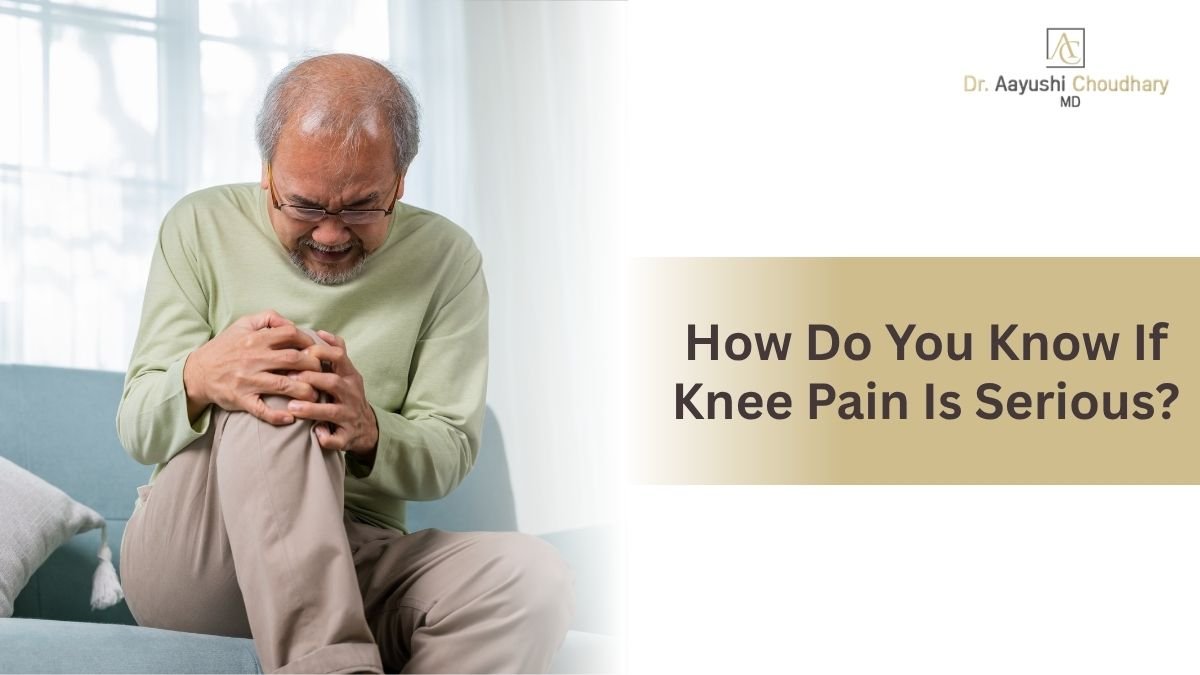
So, how do you know if knee pain is serious? Let's explore the warning signs, common causes, and when it's time to seek help from a knee pain specialist doctor in Jaipur.
Why You Shouldn't Ignore Knee Pain
Think about how much your knees do for you every day.
They help you walk, run, climb stairs, sit, stand, exercise, and maintain balance. When knee discomfort starts interfering with these basic activities, it deserves attention.
Many people delay treatment because they assume knee pain is a normal part of aging. While some wear and tear is natural, persistent or severe pain is never something you should simply accept.
Early diagnosis often means simpler treatment and better outcomes.
What Is Considered Serious Knee Pain?
Not all knee pain requires immediate medical attention. However, certain symptoms can indicate an underlying injury, inflammation, or degenerative condition that needs professional evaluation.
Severe Knee Pain Warning Signs
Here are some of the most important signs of serious knee pain:
Persistent Knee Pain That Doesn't Improve
A mild strain may improve within a few days or weeks. However, if your pain continues for several weeks despite rest and home care, it could indicate:
Cartilage damage
Ligament injury
Meniscus tear
Osteoarthritis
Chronic inflammation
Persistent pain is one of the clearest indicators that further evaluation is necessary.
Knee Swelling That Doesn't Go Away
Occasional swelling after intense physical activity can be normal.
However, significant or recurring knee swelling may suggest:
Joint inflammation
Fluid accumulation
Ligament damage
Infection
Arthritis
Swelling is your body's response to injury or irritation and should not be ignored when it becomes frequent.
Difficulty Walking or Bearing Weight
One major red flag is painful weight bearing.
If putting weight on your knee causes significant pain or instability, there may be structural damage inside the joint.
You may notice:
Limping
Difficulty walking
Feeling that the knee might give way
Loss of confidence while moving
These symptoms often require immediate orthopedic assessment.
Reduced Knee Mobility
Can you fully bend or straighten your knee?
If not, your body may be signaling a deeper problem.
Reduced knee mobility can result from:
Joint inflammation
Arthritis
Meniscus tears
Scar tissue formation
Limited movement can gradually affect your daily activities and quality of life.
Is Knee Stiffness a Sign of Something Serious?
Many people wake up with knee stiffness, especially as they age.
Occasional stiffness is common. However, when stiffness:
Lasts more than 30 minutes
Occurs daily
Worsens over time
Is accompanied by swelling
it may indicate inflammatory arthritis or progressive joint degeneration.
The earlier these conditions are identified, the more treatment options are available.
Should You Be Concerned About Knee Clicking Sounds?
A common question patients ask is:
"My knee clicks when I move. Is that serious?"
The answer depends on accompanying symptoms.
Occasional knee clicking sounds without pain are often harmless.
However, clicking accompanied by:
Pain
Swelling
Locking
Instability
can suggest cartilage damage or a meniscus injury.
If the sounds are becoming more frequent or painful, it's worth getting checked.
What Does Knee Locking Mean?
One of the most concerning symptoms is knee locking.
This occurs when the knee becomes stuck and cannot move normally.
Patients often describe it as:
The knee getting "jammed"
Inability to fully bend or straighten the leg
Sudden catching sensation
Knee locking may indicate:
Meniscus tears
Loose cartilage fragments
Joint damage
This symptom usually requires professional diagnosis and should not be ignored.
Chronic Knee Pain vs Acute Knee Pain
Understanding the difference between chronic and acute pain can help determine the severity of your condition.
Acute Knee Pain
Acute knee pain develops suddenly.
Common causes include:
Sports injuries
Falls
Twisting injuries
Ligament sprains
The pain is usually immediate and often associated with swelling or bruising.
Chronic Knee Pain
Chronic knee pain develops gradually and persists for months.
Common causes include:
Osteoarthritis
Rheumatoid arthritis
Tendinitis
Long-term joint wear
Chronic pain often worsens with activity and can progressively limit mobility if left untreated.
When Should You Visit a Knee Pain Specialist?
You should consider consulting a knee pain specialist doctor if you experience:
Persistent knee pain lasting more than two weeks
Significant knee swelling
Difficulty walking
Knee locking
Reduced knee mobility
Severe joint pain
Pain during daily activities
Painful weight bearing
Recurrent inflammation in the knee
Symptoms that interfere with work or exercise
Seeking expert advice early can prevent small issues from becoming major problems.
How Is Serious Knee Pain Diagnosed?
Accurate knee pain diagnosis begins with a detailed evaluation.
A specialist may perform:
Physical Examination
The doctor assesses:
Range of motion
Joint stability
Swelling
Tenderness
Walking pattern
Imaging Tests
Depending on symptoms, tests may include:
X-rays
MRI scans
Ultrasound imaging
CT scans
These tools help identify structural damage and determine the most appropriate treatment plan.
Can Knee Pain Be Treated Without Surgery?
Absolutely.
Many patients are surprised to learn that surgery is not always necessary.
Today, several non surgical knee pain treatment in Jaipur options can effectively manage symptoms and improve function.
Physical Therapy for Knee Pain
Targeted exercises help:
Strengthen supporting muscles
Improve flexibility
Restore movement
Reduce stress on the knee joint
Physical therapy remains one of the most effective conservative treatment approaches.
Pain Management Techniques
Depending on the diagnosis, treatment may include:
Medications
Anti-inflammatory treatment
Activity modification
Bracing
Lifestyle changes
The goal is to reduce discomfort while improving mobility and function.
Knee Rehabilitation Programs
Comprehensive knee rehabilitation focuses on:
Pain reduction
Muscle strengthening
Joint stabilization
Return to normal activities
Structured rehabilitation often helps patients avoid surgery altogether.
When Is Surgery Necessary?
While many cases respond well to conservative care, some conditions may require surgical intervention.
Options include:
Arthroscopic Surgery
Used for:
Meniscus repairs
Cartilage injuries
Removal of loose fragments
This minimally invasive procedure often allows faster recovery.
Knee Replacement Surgery
In advanced arthritis cases where joint damage is severe, knee replacement surgery may be recommended.
However, this is usually considered only after non-surgical options have been explored.
A Simple Question That Could Protect Your Mobility
Imagine two people experiencing the same knee pain.
One ignores it for years, assuming it will improve on its own.
The other seeks evaluation early, receives proper treatment, strengthens the joint, and maintains an active lifestyle.
The difference isn't luck.
It's timely action.
Your knees carry you through every stage of life. Paying attention to the warning signs today can help preserve your mobility, independence, and comfort for years to come.
Final Thoughts
So, how do you know if knee pain is serious?
If you experience persistent pain, knee swelling, knee locking, reduced mobility, painful weight bearing, difficulty walking, or severe joint pain, it's time to take those symptoms seriously.
Early diagnosis and treatment can often prevent long-term damage and reduce the need for surgery. Whether you're dealing with acute knee pain after an injury or chronic knee pain that has gradually worsened, consulting a qualified knee pain specialist doctor in Jaipur can help you understand the cause and explore the most effective treatment options.
The good news is that many patients benefit from non surgical knee pain treatment in Jaipur, including physical therapy for knee pain, pain management strategies, anti-inflammatory treatment, and personalized knee rehabilitation programs.
Your knees are speaking. The question is—are you listening?
Powered by Froala Editor

About the author
Dr. Aayushi Choudhary
Dr. Aayushi Choudhary is a highly regarded Pain, Musculoskeletal Medicine & Rehabilitation Specialist. She has years of experience in treating conditions such as paralysis, spine disorders, cervical pain, cerebral palsy, knee pain, slipped…
Last updated . If you spot an error, contact our newsroom with the article link and supporting information.