How Creatine Supports Strength, Energy, and Workout Performance
Story details
- Written by
- Rasheed Ahmed
- Published
- Read time
- 5 min
- Reads
- 6
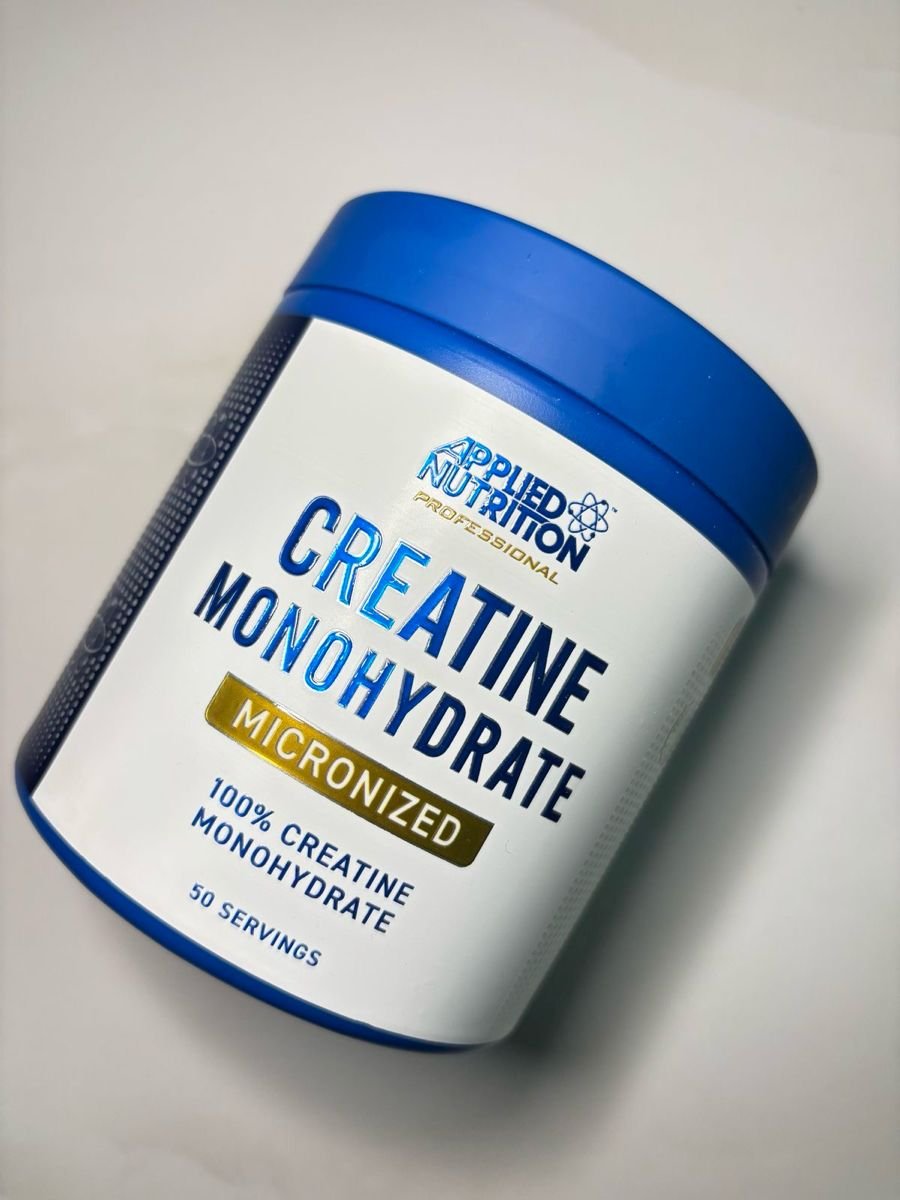
Creatine is one of the most trusted and widely researched sports nutrition supplements available today. Whether you're a beginner starting your fitness journey or an experienced athlete looking to maximize your training, creatine has become a staple in many workout routines. With supplements available in powders, capsules, and gummies, choosing a quality product has never been easier. Trusted retailers like QUOR.store offer a variety of creatine options designed to fit different lifestyles and fitness goals, making it simple to find a product that works for your daily routine.
In this guide, we'll explore how creatine supports strength, energy, and workout performance, explain why it's so popular among active individuals, and share tips for choosing the right creatine supplement.
What Is Creatine?
Creatine is a naturally occurring compound produced by the body and stored primarily in skeletal muscles. It is also found naturally in foods such as red meat and fish.
Its main role is to help regenerate adenosine triphosphate (ATP), which serves as the body's immediate source of energy during short, high-intensity physical activities.
Because of this important function, creatine has become one of the most extensively studied supplements in sports nutrition.
How Creatine Supports Strength
Strength training places significant demands on your muscles, especially during repeated sets of challenging exercises.
Creatine helps support these workouts by increasing the availability of ATP, allowing muscles to continue producing energy during intense efforts.
Many individuals use creatine while performing exercises such as:
Squats
Deadlifts
Bench press
Pull-ups
Overhead press
Olympic lifts
When combined with a structured resistance training program, creatine can support improvements in training performance over time.
Creatine and Energy Production
Unlike stimulant-based supplements, creatine does not provide an instant feeling of energy.
Instead, it supports the body's natural energy production system by helping regenerate ATP during short-duration, high-intensity exercise.
This makes creatine especially useful for activities involving repeated bursts of effort, including:
Sprinting
Weightlifting
Jump training
High-Intensity Interval Training (HIIT)
Team sports
Functional fitness workouts
This unique mechanism is one reason creatine has remained a favorite among athletes for decades.
Supporting Workout Performance
Consistent training is one of the biggest factors in achieving long-term fitness goals.
Creatine is commonly included in workout routines because it may help support performance during repeated high-intensity exercise when combined with regular training and proper nutrition.
Many active individuals use creatine while participating in:
Strength training programs
Cross-training
Athletic conditioning
Competitive sports
Recreational fitness
Individual results vary depending on training intensity, nutrition, recovery, and consistency.
Why Creatine Is Popular Among Athletes
Several qualities contribute to creatine's popularity.
Consumers often choose creatine because it is:
One of the most researched sports supplements
Available from many reputable brands
Offered in multiple product formats
Suitable for various training styles
Easy to incorporate into daily routines
These factors have made creatine one of the most widely used supplements worldwide.
Different Creatine Product Formats
Today's consumers can choose from several convenient formats.
Creatine Monohydrate Powder
The most extensively researched and commonly recommended form of creatine.
Creatine Capsules
A convenient option for those who prefer pre-measured servings without mixing.
Creatine Gummies
A portable alternative that requires no shaker bottle and fits easily into busy lifestyles.
Flavored Creatine Powders
Available in a variety of flavors for people who prefer a more enjoyable mixing experience.
Choosing the right format depends on your personal preferences and daily routine.
How to Choose a Quality Creatine Supplement
Not every creatine supplement is the same.
Before purchasing, consider the following:
Ingredient Transparency
Read the ingredient label carefully to understand exactly what the product contains.
Brand Reputation
Choose companies with a history of producing quality sports nutrition products.
Third-Party Testing
Independent testing can provide additional confidence in product quality when available.
Customer Reviews
Verified reviews often provide useful insight into product quality, mixability, taste, and overall customer satisfaction.
Serving Information
Compare serving sizes and creatine content between different products before making a decision.
Common Mistakes Beginners Make
Avoid these common purchasing mistakes:
Buying based only on price
Ignoring ingredient labels
Choosing unfamiliar brands without research
Expecting immediate results
Inconsistently using the product
Building consistent habits is often more important than choosing the newest supplement on the market.
Tips for Getting the Most from Creatine
If you're adding creatine to your fitness routine:
Choose a reputable brand.
Follow the manufacturer's serving instructions.
Stay consistent with daily use.
Combine supplementation with regular training.
Maintain a balanced diet and proper hydration.
These simple habits can help support your overall training program.
Frequently Asked Questions
What does creatine do?
Creatine helps replenish ATP, the body's primary energy source for short bursts of high-intensity exercise.
Who commonly uses creatine?
Creatine is widely used by weightlifters, athletes, recreational gym-goers, and people participating in high-intensity training.
Is creatine only for bodybuilders?
No. Creatine is used by people with a variety of fitness goals, including strength training, team sports, sprinting, and general athletic performance.
Which form of creatine is most popular?
Creatine monohydrate remains the most widely studied and commonly recommended form because of its extensive scientific research.
How do I choose a quality creatine supplement?
Look for transparent ingredient labels, reputable brands, third-party testing when available, and positive customer reviews before purchasing.
Final Thoughts
Creatine continues to be one of the most popular sports nutrition supplements because of its well-established role in supporting strength, energy production during high-intensity exercise, and overall workout performance. With multiple product formats available, it's easier than ever to find a creatine supplement that fits your preferences and training routine.
Before buying, take time to compare brands, review ingredient labels, understand serving information, and choose a product from a reputable manufacturer. When paired with consistent training, balanced nutrition, and proper recovery, creatine can be a valuable addition to a long-term fitness plan.
Powered by Froala Editor

About the author
Rasheed Ahmed
Contributor to TVL Health by The Viral Lines.
Last updated . If you spot an error, contact our newsroom with the article link and supporting information.