Foods and Habits That May Help Protect Against Cataracts
Story details
- Written by
- Dr. Suryakant Jha
- Published
- Read time
- 5 min
- Reads
- 6
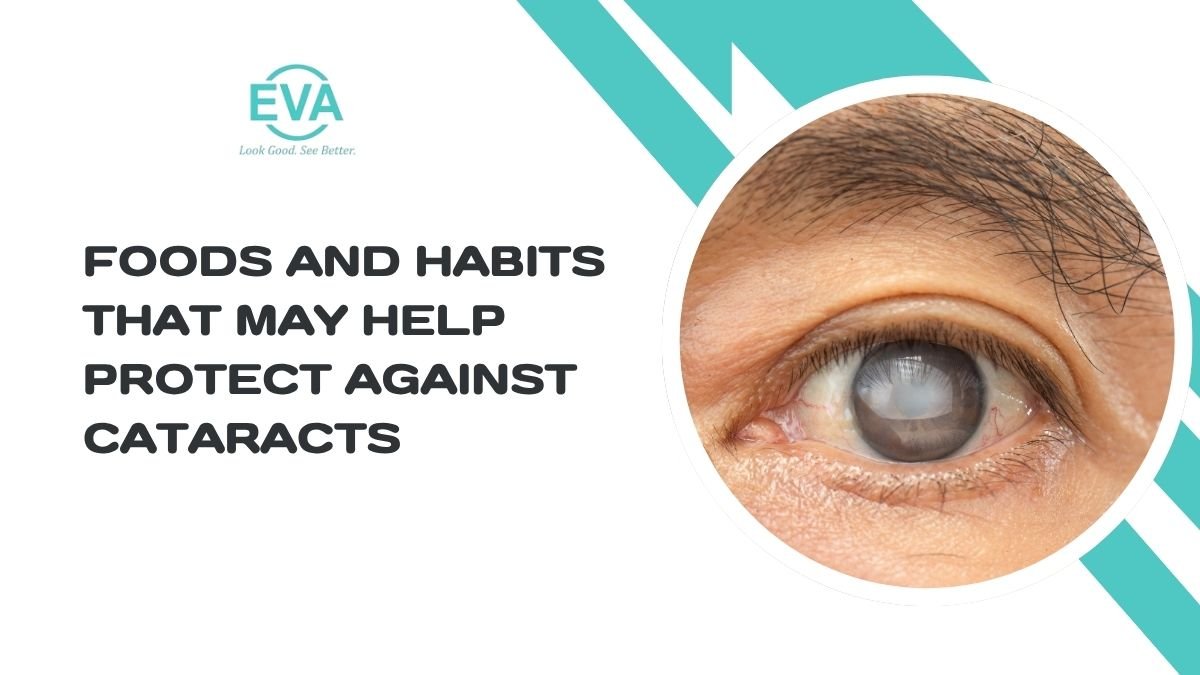
Cataracts are one of the most common causes of vision problems, especially as people age. They occur when the natural lens of the eye becomes cloudy, leading to blurry vision, cloudy vision, glare sensitivity, and difficulty seeing clearly at night. While cataracts are often linked to aging, lifestyle choices and nutrition can also influence eye health over time. Understanding how to care for your eyes through proper diet and healthy habits may help reduce the risk of age-related cataracts and support long-term vision health.
If you notice persistent vision changes, consulting a qualified best cataract surgeon in Delhi or an experienced cataract surgeon in Delhi is important for timely diagnosis and treatment.
Can Diet Help Prevent Cataracts?
Research suggests that a balanced diet rich in antioxidants may help protect the eyes from oxidative stress, which is one of the contributing factors behind cataract formation. Oxidative stress damages the proteins inside the eye lens, gradually causing cloudiness.
Foods containing vitamins A, C, and E, along with minerals like zinc and selenium, are considered beneficial for maintaining eye health. Nutrients such as lutein and zeaxanthin also support retinal and lens protection.
Although diet alone cannot guarantee cataract prevention, healthy eating habits may slow down lens damage and improve overall eye wellness.
Which Foods Are Best for Cataracts?
1. Green Leafy Vegetables
Spinach, kale, fenugreek leaves, and broccoli are rich in lutein and zeaxanthin. These antioxidants help protect the eyes from harmful light exposure and oxidative damage.
2. Citrus Fruits
Oranges, lemons, sweet lime, and grapefruit provide vitamin C, which supports healthy eye tissues and may reduce lens oxidation.
3. Carrots and Sweet Potatoes
These foods are high in beta-carotene, which converts into vitamin A. Vitamin A is essential for maintaining healthy vision and reducing dryness in the eyes.
4. Nuts and Seeds
Almonds, sunflower seeds, walnuts, and flaxseeds contain vitamin E and healthy fats that support long-term eye health.
5. Fish Rich in Omega-3
Salmon, tuna, sardines, and mackerel provide omega-3 fatty acids that help reduce inflammation and support retinal function.
6. Whole Grains
Brown rice, oats, and whole wheat contain nutrients with a lower glycemic index, which may benefit people managing diabetic eye care concerns.
7. Eggs
Egg yolks are another good source of lutein, zeaxanthin, and protein that support lens and retinal health.
What Vitamins Help Prevent Cataracts?
Several vitamins are associated with healthy vision and reduced oxidative stress:
Vitamin C: Helps protect eye tissues from free radical damage
Vitamin E: Supports lens protection and cell repair
Vitamin A: Important for clear vision and eye surface health
Zinc: Helps transport vitamin A from the liver to the retina
Lutein and Zeaxanthin: Natural antioxidants found in the eye lens and retina
A nutrient-rich diet is generally more beneficial than relying solely on supplements unless advised by an ophthalmologist.
What Habits Reduce Cataract Risk?
Wear UV Protection Sunglasses
Excessive ultraviolet exposure may increase the risk of cataract development. Wearing UV protection sunglasses outdoors can help shield the eyes from harmful sunlight.
Avoid Smoking
Smoking significantly increases oxidative damage in the eyes and is strongly associated with cataracts. People who smoke are more likely to develop cataracts earlier in life.
Control Diabetes
High blood sugar levels can affect the eye lens and increase cataract risk. Proper diabetic eye care, regular monitoring, and maintaining healthy glucose levels are essential.
Eat a Balanced Diet
A diet rich in fruits, vegetables, lean protein, and healthy fats supports eye tissues and overall health.
Stay Hydrated
Proper hydration helps maintain eye moisture and healthy metabolic function.
Get Regular Eye Examinations
Routine eye examination appointments help detect early vision changes and cataract progression before symptoms become severe.
Limit Excessive Alcohol Consumption
Heavy alcohol intake may contribute to oxidative stress and eye damage over time.
Does Sunlight Increase Cataract Risk?
Yes, prolonged exposure to ultraviolet (UV) rays from sunlight may increase the risk of cataracts. UV rays can damage the proteins in the eye lens, leading to gradual cloudiness. People who spend long hours outdoors without eye protection may face a higher risk.
Using wide-brim hats and UV protection sunglasses can help minimize UV exposure and support long-term eye safety.
Can Smoking Cause Cataracts?
Smoking is considered one of the major lifestyle-related risk factors for cataracts. Cigarette smoke contains harmful chemicals that increase oxidative stress and reduce antioxidant levels in the body. This damage can accelerate the clouding of the eye lens.
Quitting smoking not only benefits overall health but also supports better eye function and reduces the likelihood of age-related cataracts.
How Can I Protect My Eyes from Cataracts Naturally?
You can support healthy vision naturally by following these eye wellness tips:
Eat antioxidant-rich foods daily
Wear sunglasses with UV protection
Avoid smoking and tobacco use
Manage diabetes and blood pressure
Exercise regularly
Stay hydrated
Reduce prolonged screen strain
Sleep adequately
Schedule regular eye checkups
While these habits may lower risk factors, cataracts can still develop due to aging and genetics. Early monitoring remains important.
What Are the Early Signs of Cataracts?
Cataracts usually develop gradually. Common symptoms include:
Blurry vision
Cloudy vision
Difficulty seeing at night
Increased sensitivity to glare
Frequent eyeglass prescription changes
Seeing halos around lights
Faded or yellowish colors
Double vision in one eye
If these symptoms begin interfering with daily activities like reading or driving, an eye specialist evaluation is recommended.
When Should You Visit a Cataract Surgeon?
You should consider visiting an ophthalmologist or cataract specialist if:
Vision becomes persistently blurry
Glasses no longer improve clarity
Night driving becomes difficult
Light sensitivity increases
Daily activities are affected
Modern vision correction surgery for cataracts is highly advanced and often involves replacing the cloudy lens with an intraocular lens to restore clearer vision. Early consultation with the cataract surgeon in Delhi can help determine the right treatment timing and improve visual outcomes.
Conclusion
Cataracts are common, especially with aging, but healthy lifestyle habits may help support better eye health and reduce risk factors. A nutritious diet, UV protection, smoking cessation, regular eye examination visits, and proper diabetic eye care all contribute to maintaining clearer vision for longer.
Recognizing early symptoms such as blurry vision and cloudy vision can help ensure timely diagnosis and treatment. If vision problems begin affecting your quality of life, consulting an experienced cataract surgeon in Delhi is essential for proper care and guidance.
Powered by Froala Editor

About the author
Dr. Suryakant Jha
Dr. Surya Kant Jha is an eminent eye surgeon in Delhi and the NCR area. He started practicing ophthalmology in 2006. Dr. Surya Kant Jha also has experience working as a senior consultant with some of the top-rated eye hospitals. He got the…
Last updated . If you spot an error, contact our newsroom with the article link and supporting information.