
TVL Health •
TL;DR
Best for
Readers who want practical, step-by-step clarity.
Read time
5 min
When it comes to replacing missing teeth, two of the most commonly recommended options are dental implants and dental bridges. Both serve the primary purpose of restoring your smile and oral function, but they do so in different ways. Choosing the right one depends on a variety of factors, including your oral health, budget, and personal preferences. If you're unsure which option suits you best, consulting with the Best Dentist in Ludhiana can help you make a well-informed decision based on expert evaluation and personalized care.
This article breaks down the differences between dental implants and bridges, exploring their advantages, disadvantages, and which might be the better option based on individual circumstances.
What Are Dental Implants?
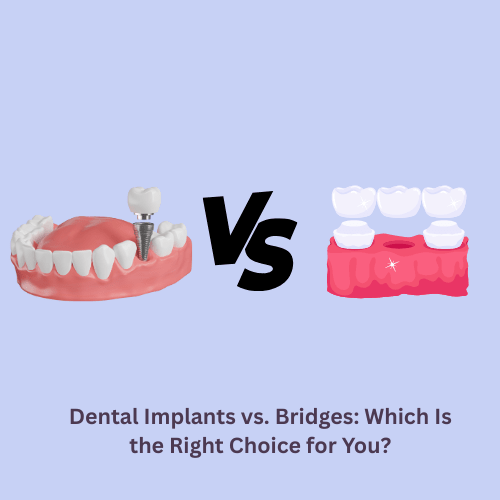
Dental implants are artificial tooth roots made of titanium that are surgically placed into the jawbone. Once healed, a crown is attached to the implant to replace the missing tooth. Implants are designed to fuse with the bone, creating a strong and permanent foundation for a replacement tooth.
What Are Dental Bridges?
Dental bridges consist of one or more artificial teeth (called pontics) held in place by crowns attached to the adjacent natural teeth. These supporting teeth are filed down to fit the crowns, which anchor the bridge and hold the artificial tooth in place.
Pros of Dental Implants
DurabilityDental implants are known for their long lifespan. With proper care, they can last for decades or even a lifetime.
Natural Look and FeelImplants mimic the look and function of natural teeth, offering a more comfortable and aesthetic option.
Preserve Bone HealthImplants stimulate the jawbone, preventing bone loss that usually occurs when a tooth is missing.
No Impact on Nearby TeethUnlike bridges, implants do not require altering the adjacent healthy teeth.
Cons of Dental Implants
Surgical Procedure RequiredPlacement involves oral surgery and a healing period of several months.
Higher Upfront CostImplants generally cost more initially than bridges.
Time-Intensive ProcessFrom surgery to final crown placement, the entire process can take several months.
Pros of Dental Bridges
Quicker TreatmentBridges can often be completed in just a few weeks, requiring less time than implants.
Less Expensive UpfrontBridges are generally more affordable initially, making them a practical solution for many patients.
No Surgery InvolvedThe procedure is non-surgical, making it ideal for patients who are not good candidates for surgery.
Covered More Frequently by InsuranceDental insurance is more likely to cover a larger portion of bridge work compared to implants.
Cons of Dental Bridges
Affects Adjacent TeethSupporting teeth must be filed down and crowned, which can weaken them over time.
Shorter LifespanWhile bridges can last 5–15 years, they often require replacement sooner than implants.
Potential for DecayBecause cleaning under the bridge is more difficult, there’s a higher risk of decay and gum disease around the supporting teeth.
No Bone StimulationUnlike implants, bridges do not stimulate the jawbone, potentially leading to bone loss in the area.
Factors to Consider When Choosing
1. Oral Health
If you have healthy gums and adequate bone density, implants may be the better option. Those with compromised bone structure or existing dental issues may need to consider bridges or bone grafting before implants can be placed.
2. Number of Missing Teeth
For a single missing tooth, both options are effective. However, implants might be more efficient and sustainable for multiple missing teeth, especially when spread across the mouth.
3. Cost and Budget
Bridges are generally less expensive initially, but may incur future costs due to replacements or repairs. Implants are a larger upfront investment but tend to require less maintenance over the long term.
4. Time and Convenience
If you need a faster solution, bridges may be the better choice. Implants, while more time-consuming, offer a long-term result that many find worth the wait.
5. Surgical Tolerance
Implants require oral surgery. Some patients may not be candidates due to health conditions, medications, or personal preference. Bridges, being non-surgical, are often more accessible.
6. Aesthetic Goals
Implants offer a more natural appearance and feel, especially for front teeth. If aesthetics are a top concern, implants may be the preferred choice.
Longevity and Maintenance
Dental Implants: With proper care, dental implants can last 20+ years. They require regular brushing, flossing, and dental check-ups but no special maintenance beyond standard oral hygiene.
Dental Bridges: Typically last 5–15 years depending on materials, oral hygiene, and other factors. Extra care is needed when cleaning around and beneath the bridge.
Procedure Overview
For Dental Implants:
Initial consultation and X-rays
Surgical placement of the implant
Healing period (3–6 months)
Abutment and crown placement
For Dental Bridges:
Consultation and preparation of adjacent teeth
Impressions and temporary bridge
Fitting and placement of the permanent bridge
What Do Most Dentists Recommend?
In most cases, dental professionals recommend implants for patients seeking a long-term, durable, and natural-looking solution—especially when the adjacent teeth are healthy. However, bridges remain an excellent option for those who prefer a quicker, less invasive, and more affordable solution.
Final Thoughts
Both dental implants and bridges have helped millions of people restore their smiles and improve their quality of life. While implants are more modern and longer-lasting, bridges still hold strong advantages in terms of time, cost, and simplicity. The right choice depends on your individual oral health, preferences, and lifestyle.
If you're considering replacing a missing tooth, speak with your dentist about your goals, expectations, and any underlying health conditions. A comprehensive dental exam and consultation will help determine which option best meets your needs.
No matter which option you choose, proper oral care and regular dental visits will be crucial to maintaining the health and function of your restoration—and your smile—for years to come.
You may also like
More from this category.

Category
Funzionalità Bonus delle Slot Online che Ogni Giocatore Dovrebbe Conoscere

Category
Embryology Course in Bangalore: Build a Rewarding Career with Medline Academics

Category
Health and Wellness Made Simple: Book Your Massage in Dubai with Relaxini

Category
6 Myter om Erhvervscoaching, der Holder Dygtige Ledere Tilbage

Category
Key Account Management in Pharma: Picking a Sales Consultant
Category
The Benefits of Having a Trusted Local Dentist in Stamford, CT

Category
The role of supply chain management in the pharmaceutical industry

Category
Why Choosing the Right Dietitian Can Change Your Health Journey

Category
Gynecologist In Miramar: Your Complete Guide to Better Women's Health

Category
The Most Common Wound Types Treated by Professional Wound Care in Oakland County
Tip: swipe to explore more.