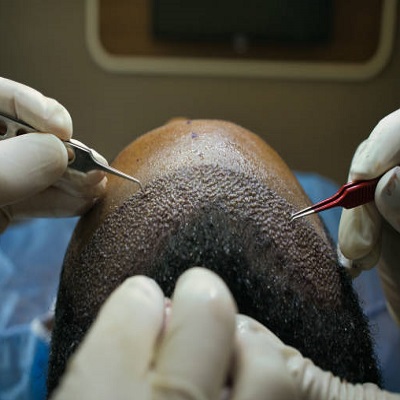
A hair transplant is a significant step toward restoring confidence and addressing hair loss. However, the journey doesn’t end with the surgery. Post-operative care plays a critical role in determining the success and appearance of the final results. While clinics offering advanced procedures like a Hair transplant in Islamabad provide precise surgical solutions, the patient’s commitment to proper aftercare is just as vital. Unfortunately, many individuals unknowingly make mistakes during recovery that can delay healing, reduce graft survival, or affect overall results.
Ignoring Post-Operative Instructions
After a hair transplant, patients are provided with a detailed aftercare guide tailored to their specific procedure. A common mistake is not adhering to these instructions. These guidelines include how to wash your scalp, avoid sun exposure, manage discomfort, and prevent infection. Skipping any of these steps can compromise healing, cause follicular trauma, or increase the risk of complications. It's crucial to follow the schedule and advice given by your surgeon.
Touching or Scratching the Scalp
One of the most instinctive but harmful habits post-surgery is touching or scratching the scalp. Newly implanted grafts are highly sensitive during the first few days and can become dislodged with minimal friction. Even subconscious scratching during sleep can disturb the grafts. It's important to remain vigilant and use mild antihistamines or cooling sprays—if recommended by the surgeon—to reduce itching.
Washing the Hair Improperly
Hair washing must be done with care during the first 7 to 10 days after a transplant. Patients often either delay washing too long or wash too aggressively. Delaying washing can allow dirt or crusts to build up, while harsh washing can dislodge grafts. Use only the prescribed shampoos and gently pat the scalp with lukewarm water as per the instructions. Avoid direct shower pressure and any vigorous rubbing.
Engaging in Intense Physical Activity Too Soon
Exercise increases blood pressure and body temperature, which can interfere with healing. High-impact or sweat-inducing activities such as running, weightlifting, or sports should be avoided for at least 10 to 14 days after surgery. Excessive movement can cause grafts to loosen, lead to bleeding, and elevate the risk of infection. Even light activities like bending over or fast walking should be done with caution during the first week.
Wearing Tight Headwear
Headwear that fits tightly or causes friction on the scalp can damage new grafts. Some patients mistakenly wear caps or helmets too soon after surgery, often to conceal the surgical area. While loose-fitting hats may be acceptable after a few days (only if approved by the surgeon), anything that applies pressure or rubs against the scalp can be detrimental to the healing process.
Smoking and Alcohol Consumption
Smoking restricts blood flow and can significantly hinder the healing of grafts. Nicotine causes vasoconstriction, which limits oxygen and nutrient supply to the hair follicles. Similarly, alcohol dilates blood vessels and can lead to bleeding in the treated area. Both habits increase the likelihood of complications and reduce graft survival. It's recommended to avoid smoking and drinking alcohol for at least a week before and after the procedure.
Ignoring Signs of Infection or Complications
Post-transplant swelling, mild itching, and scabbing are normal in the early days of recovery. However, patients sometimes ignore more serious symptoms such as prolonged redness, pus, excessive pain, or fever. These could indicate an infection or adverse reaction. Any unusual symptom should be immediately reported to the clinic for evaluation and timely intervention.
Using Unprescribed Hair Products
Applying oils, gels, dyes, or non-recommended shampoos shortly after a transplant is a common yet risky mistake. These products can irritate the scalp, clog follicles, or interfere with healing. Only the prescribed products should be used until the scalp is fully healed, which may take several weeks. Always confirm with your surgeon before introducing any new product into your routine.
Sleeping in the Wrong Position
Proper sleeping posture in the initial days post-transplant is crucial. Lying flat or sleeping on your side can cause pressure on the grafts and lead to swelling. Ideally, patients should sleep with their heads elevated at a 45-degree angle using multiple pillows or a reclining chair for the first few nights. This helps reduce swelling and avoids displacing the grafts.
Getting a Haircut Too Soon
Some individuals are eager to style or trim their hair shortly after the transplant. However, cutting or shaving the transplanted hair too early can damage the follicles. Most clinics recommend waiting at least one month before any trimming or cutting is done—and only with scissors, not clippers or razors. Full styling or coloring should be delayed for a longer period, as advised by your specialist.
Neglecting Follow-Up Appointments
Many clinics schedule follow-up appointments at specific intervals to monitor progress and ensure that the grafts are healing as expected. Skipping these appointments can prevent early detection of issues or delay timely medical support. These visits also allow for personalized aftercare adjustments based on the patient’s progress and hair growth phase.
Stress and Impatience with Results
Hair regrowth is a gradual process, and patients should not expect immediate results. Some individuals become stressed or anxious when they see the transplanted hairs shedding in the weeks after surgery. This is a natural phase known as “shock loss” and is a sign that the follicles are preparing to grow new, stronger hair. Visible growth typically begins around the 3rd to 4th month and continues to improve up to a year. Stress and impatience can lead individuals to try unapproved remedies or procedures, which may harm the recovery process.
Choosing Unqualified Clinics
A major mistake that affects the outcome and increases the likelihood of post-op issues is selecting an inexperienced or non-specialized clinic. While this decision is made before the procedure, its effects can be long-lasting. Ensure that the clinic is certified, the surgeon is qualified in hair restoration, and hygiene standards are upheld. The quality of the initial surgery significantly influences the ease and success of recovery.
Conclusion
Avoiding common mistakes after a hair transplant is essential to ensuring optimal healing, successful graft retention, and natural-looking results. Patient discipline and awareness are key to maximizing the benefits of the procedure. Individuals planning a Hair transplant in Islamabad must understand that their post-operative behavior can greatly impact the longevity and aesthetics of the outcome. Clinics like SKN Cosmetics provide not only expert surgical care but also comprehensive aftercare support, helping patients navigate each stage of recovery with clarity and confidence.
You may also like
More from this category.

Build Powerful Gaming Platforms with a Trusted Casino Game Development Company

Mounjaro Dubai: What to Know Before Starting Tirzepatide for Weight Management

Interim Healthcare Yuba City

Comprehensive Guide to Obtaining a Medical Store License in India
Pathology Lab & Diagnostic Center Registration in India: Complete Guide

India Blood Bags Market The Future of Blood Collection, Storage & Transfusion

Why Every Performance Enthusiast Needs a Dedicated Cold Plunge Tub with Chiller in Their Wellness Toolkit

How Does a Biogas Plant Work for Poultry Farms in India?
Global Anhydrous Dibasic Calcium Phosphate Market Innovations in Calcium-Based Ingredients