Understanding and Treating Pulmonary Embolism
Understanding the causes, symptoms, risk factors, and treatment options of pulmonary embolism can help people recognize warning signs early and seek timely medical care.
Story details
- Written by
- Dr Habib Raja MBBS FCPS Gastroenterologist in Lahore
- Published
- Read time
- 5 min
- Reads
- 12
In brief
Article summary
Understanding the causes, symptoms, risk factors, and treatment options of pulmonary embolism can help people recognize warning signs early and seek timely medical care.
What Is Pulmonary Embolism?
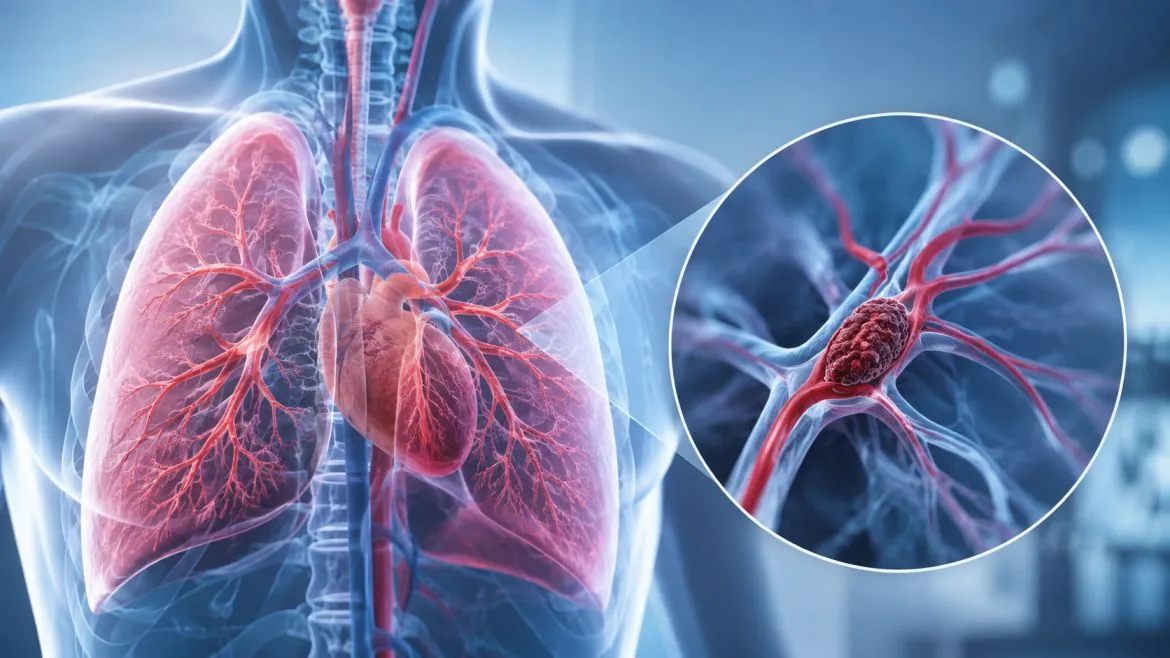
A pulmonary embolism (PE) happens when a blood clot, usually formed in the deep veins of the legs or arms, travels through the bloodstream and reaches the lungs. This clot becomes trapped in a pulmonary artery, blocking normal blood circulation.
Most pulmonary embolisms develop due to a condition called deep vein thrombosis (DVT). When a clot breaks away from a vein and moves toward the lungs, it can cause breathing difficulties, chest pain, and other serious complications.
The severity of pulmonary embolism depends on the size of the clot, the location of the blockage, and the overall health of the patient.
Causes and Risk Factors of Pulmonary Embolism
Blood clots can form when blood flow becomes slow, blood vessels are damaged, or the blood becomes more likely to clot. Several factors can increase the risk of developing pulmonary embolism, including:
1. Long Periods of Immobility
Sitting or lying down for extended periods can slow blood circulation. Long-distance travel, prolonged bed rest, or recovery after surgery may increase the risk of clot formation.
2. Previous Blood Clots
People who have experienced deep vein thrombosis or previous pulmonary embolism have a higher chance of developing another clot.
3. Surgery and Hospitalization
Certain surgeries, especially major operations involving the legs, abdomen, or pelvis, can increase the risk of blood clots.
4. Certain Medical Conditions
Some health conditions can make blood more likely to clot, including heart disease, certain cancers, and inherited blood clotting disorders.
5. Lifestyle Factors
Smoking, obesity, and lack of physical activity may contribute to increased risk by affecting circulation and overall cardiovascular health.
6. Pregnancy and Hormonal Changes
Pregnancy and some hormone-based medications can increase the tendency of blood to clot due to changes in the body.
Symptoms of Pulmonary Embolism
Symptoms of pulmonary embolism can appear suddenly and may vary from person to person. Common symptoms include:
Sudden shortness of breath
Chest pain that may become worse with deep breathing
Rapid heartbeat
Dizziness or fainting
Unexplained coughing
Coughing up blood
Excessive sweating
Feeling of anxiety or discomfort
Some people may also experience symptoms of deep vein thrombosis, such as swelling, pain, tenderness, or redness in one leg.
Because pulmonary embolism symptoms can resemble other heart and lung conditions, proper medical evaluation is essential.
How Is Pulmonary Embolism Diagnosed?
Doctors use different tests to confirm pulmonary embolism and determine its severity. Diagnosis may include:
CT Pulmonary Angiography
This imaging test allows doctors to view blood vessels in the lungs and identify blockages caused by clots.
Blood Tests
A D-dimer blood test may help determine whether abnormal clot formation is occurring in the body.
Ultrasound
A leg ultrasound can detect deep vein thrombosis that may have caused the pulmonary embolism.
Echocardiogram
This test evaluates heart function and checks whether the clot has affected the heart.
Chest X-ray and Other Tests
Additional tests may be performed to rule out other causes of breathing problems and chest discomfort.
Treatment Options for Pulmonary Embolism
Treatment depends on the size of the clot, symptoms, and overall health condition of the patient. The main goal is to stop the clot from growing, prevent new clots, and reduce complications.
1. Blood Thinners (Anticoagulants)
Anticoagulant medications are commonly used to prevent existing clots from becoming larger and reduce the risk of new clot formation. These medicines help the body gradually dissolve the clot naturally.
2. Clot-Busting Medicines
In severe cases where a clot blocks major blood vessels or causes significant strain on the heart, doctors may use thrombolytic medications to dissolve the clot quickly.
3. Medical Procedures
For large or dangerous clots, specialized procedures may be required to remove or break down the clot.
4. Oxygen Therapy
Patients with low oxygen levels may receive oxygen support to improve breathing and maintain healthy oxygen levels.
Prevention of Pulmonary Embolism
Many cases of pulmonary embolism can be prevented by reducing risk factors and maintaining healthy habits.
Helpful preventive measures include:
Staying physically active
Avoiding long periods of sitting without movement
Maintaining a healthy weight
Drinking enough fluids
Following medical advice after surgery
Avoiding smoking
Taking prescribed blood-thinning medications when required
People who have increased risk due to previous clots or medical conditions should regularly follow up with their healthcare provider.
When Should You Seek Medical Help?
Pulmonary embolism can become an emergency. Immediate medical attention is needed if someone experiences sudden breathing difficulty, severe chest pain, fainting, or coughing blood.
Early diagnosis and proper treatment can significantly improve outcomes and prevent serious complications.
For expert evaluation and respiratory health guidance, consulting the best pulmonologist in Lahore can help patients receive accurate diagnosis and appropriate treatment for lung-related conditions.
Importance of Specialist Care
Pulmonary conditions require careful assessment because symptoms can overlap with many other health problems. A qualified respiratory specialist can evaluate symptoms, recommend necessary tests, and develop an effective treatment plan based on individual needs.
Patients searching for the best pulmonologist in Lahore should consider professional consultation for proper management of pulmonary diseases, breathing difficulties, and complex lung conditions.
Conclusion
Pulmonary embolism is a serious condition caused by a blood clot blocking blood flow in the lungs. Recognizing symptoms early, understanding risk factors, and seeking timely medical care are important steps in preventing complications.
With proper diagnosis, modern treatment options, and preventive measures, many patients recover successfully from pulmonary embolism. Maintaining a healthy lifestyle and following medical advice can also reduce the risk of future clot-related problems.
Dr. Yasir Nasir Pulmonologist in Lahore
Phone: 0333 4976126
Address: 7, Block M Phase 2 Johar Town, Lahore, 54782
Location: https://maps.app.goo.gl/JesuArk1KYV1FxPr7a
https://www.allpatient.pk/pulmonologist-in-lahore-dr-yasir-nasir/

About the author
Dr Habib Raja MBBS FCPS Gastroenterologist in Lahore
Dr. Habib Raja is best Gastroenterologist in Lahore working as Consultant Gastroenterologist & Hepatologist at Akhtar Saeed Medical & Dental College. Where he is a part of teaching faculty. He has a vast clinical experience of more that 12…
Last updated . If you spot an error, contact our newsroom with the article link and supporting information.