Best Glaucoma Hospital in Panipat | Glaucoma Symptoms, Causes & Treatment
Story details
- Written by
- Bajaj Eye Centre
- Published
- Read time
- 4 min
- Reads
- 5
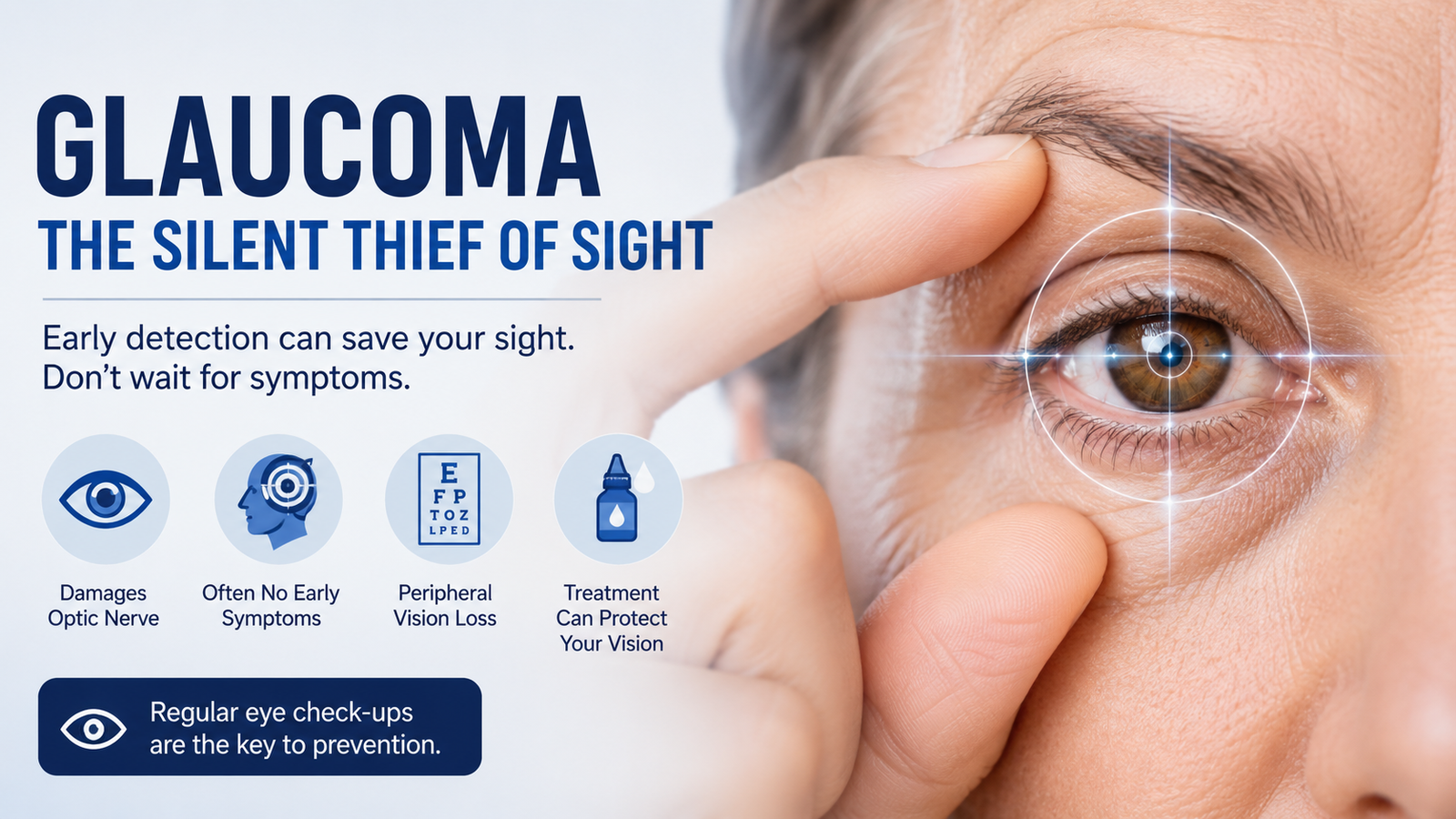
Glaucoma is one of the leading causes of irreversible blindness worldwide and is often referred to as the "silent thief of sight" because it usually develops without noticeable symptoms in its early stages. By the time vision changes become apparent, permanent damage to the optic nerve may have already occurred. Early diagnosis and timely treatment are the best ways to protect your eyesight.
If you are looking for the Best Glaucoma Hospital in Panipat, choosing an eye hospital with experienced ophthalmologists, advanced diagnostic technology, and comprehensive glaucoma management is essential for preserving long-term vision.
What Is Glaucoma?
Glaucoma is a group of eye diseases that damage the optic nerve, which carries visual information from the eye to the brain. This damage is commonly associated with increased intraocular pressure (IOP), although glaucoma can also occur in people with normal eye pressure.
Without appropriate treatment, glaucoma may gradually reduce peripheral vision and eventually lead to permanent blindness. Since vision loss from glaucoma cannot be reversed, early detection is critical.
Common Types of Glaucoma
Several types of glaucoma require different treatment approaches.
Primary Open-Angle Glaucoma
This is the most common form of glaucoma. It develops slowly over time and often has no early warning signs. Most patients remain unaware of the condition until vision loss has already begun.
Angle-Closure Glaucoma
This type occurs when the eye's drainage angle suddenly becomes blocked, causing a rapid increase in eye pressure. It is considered a medical emergency and requires immediate treatment.
Normal-Tension Glaucoma
Some individuals develop optic nerve damage even though their eye pressure remains within the normal range.
Secondary Glaucoma
This type develops due to another eye condition, injury, inflammation, steroid use, or certain medical conditions.
Symptoms of Glaucoma
In the early stages, glaucoma usually causes no pain or noticeable symptoms. As the disease progresses, patients may experience:
Gradual loss of peripheral (side) vision
Blurred vision
Halos around lights
Eye pain (especially in angle-closure glaucoma)
Headache
Nausea and vomiting during acute attacks
Difficulty seeing in low light
Regular eye examinations remain the most effective way to detect glaucoma before symptoms develop.
Who Is at Risk?
You may have a higher risk of developing glaucoma if you:
Are over 40 years of age
Have a family history of glaucoma
Have diabetes or high blood pressure
Have high eye pressure
Use steroid medications for long periods
Have significant nearsightedness or farsightedness
Have experienced previous eye injuries
People with these risk factors should schedule routine comprehensive eye examinations to monitor their eye health.
How Is Glaucoma Diagnosed?
Early diagnosis involves a complete eye examination using specialized diagnostic equipment.
Your ophthalmologist may perform:
Eye pressure (tonometry) measurement
Optic nerve evaluation
Visual field (peripheral vision) testing
Corneal thickness measurement
Optical Coherence Tomography (OCT)
Gonioscopy to examine the drainage angle
These tests help detect glaucoma at an early stage, allowing treatment before significant vision loss occurs.
Treatment Options
Although glaucoma cannot be cured, treatment can effectively slow or prevent further vision loss.
Depending on the severity of the condition, treatment may include:
Prescription eye drops to lower eye pressure
Oral medications when necessary
Laser glaucoma procedures
Minimally invasive glaucoma surgery (MIGS)
Conventional glaucoma surgery for advanced cases
The treatment plan is individualized based on the patient's condition, disease progression, and overall eye health.
Why Choose the Best Glaucoma Hospital in Panipat?
Managing glaucoma requires accurate diagnosis, regular monitoring, and long-term follow-up. Selecting the Best Glaucoma Hospital in Panipat gives patients access to experienced ophthalmologists, modern diagnostic technology, and evidence-based treatment protocols.
Bajaj Eye Centre offers comprehensive glaucoma evaluation, advanced imaging, and individualized treatment plans to help patients maintain healthy vision. The hospital also provides expert care for cataract, LASIK, retina, cornea, pediatric ophthalmology, and other eye conditions under one roof.
Choosing the Best Eye Doctor in Panipat
Finding the Best Eye Doctor in Panipat is important for anyone diagnosed with glaucoma or at increased risk of developing the disease. An experienced ophthalmologist can identify early optic nerve changes, monitor disease progression, and recommend the most appropriate treatment.
At Bajaj Eye Centre, every patient receives a detailed eye examination, personalized treatment recommendations, and regular follow-up care based on current clinical guidelines. The focus is on preserving vision through timely diagnosis and long-term disease management.
Tips to Reduce Your Risk
While glaucoma cannot always be prevented, these healthy habits may reduce the risk of severe vision loss:
Schedule regular comprehensive eye examinations.
Follow prescribed treatment without interruption.
Maintain healthy blood pressure and blood sugar levels.
Protect your eyes from injury.
Inform your doctor about any family history of glaucoma.
Never stop glaucoma medications without medical advice.
Hospital Location
Bajaj Eye Centre
206, New Sukhdev Nagar, Near Main Market, Panipat, Haryana 132103, India
Patients from Panipat and nearby regions can visit Bajaj Eye Centre for comprehensive glaucoma screening, diagnosis, treatment, and long-term follow-up care by experienced ophthalmologists.
Conclusion
Glaucoma is a lifelong eye condition that requires early diagnosis and consistent management to prevent irreversible vision loss. Since the disease often develops without symptoms, routine eye examinations play a vital role in protecting eyesight.
If you are searching for the Best Glaucoma Hospital in Panipat, Bajaj Eye Centre offers advanced diagnostic technology, experienced eye specialists, and patient-focused glaucoma care. Whether you need a routine glaucoma screening or ongoing treatment, consulting the Best Eye Doctor in Panipat can help safeguard your vision for years to come.
Powered by Froala Editor

About the author
Bajaj Eye Centre
Discover advanced eye care at Bajaj Eye Centre, the Best Eye Hospital in Panipat & Haryana, offering expert treatments for clear and healthy vision.
Last updated . If you spot an error, contact our newsroom with the article link and supporting information.