7 Signs You Need the Best Orthopedic Pillow for Neck Pain Right Now
Story details
- Written by
- Sheer Comfort
- Published
- Read time
- 7 min
- Reads
- 3
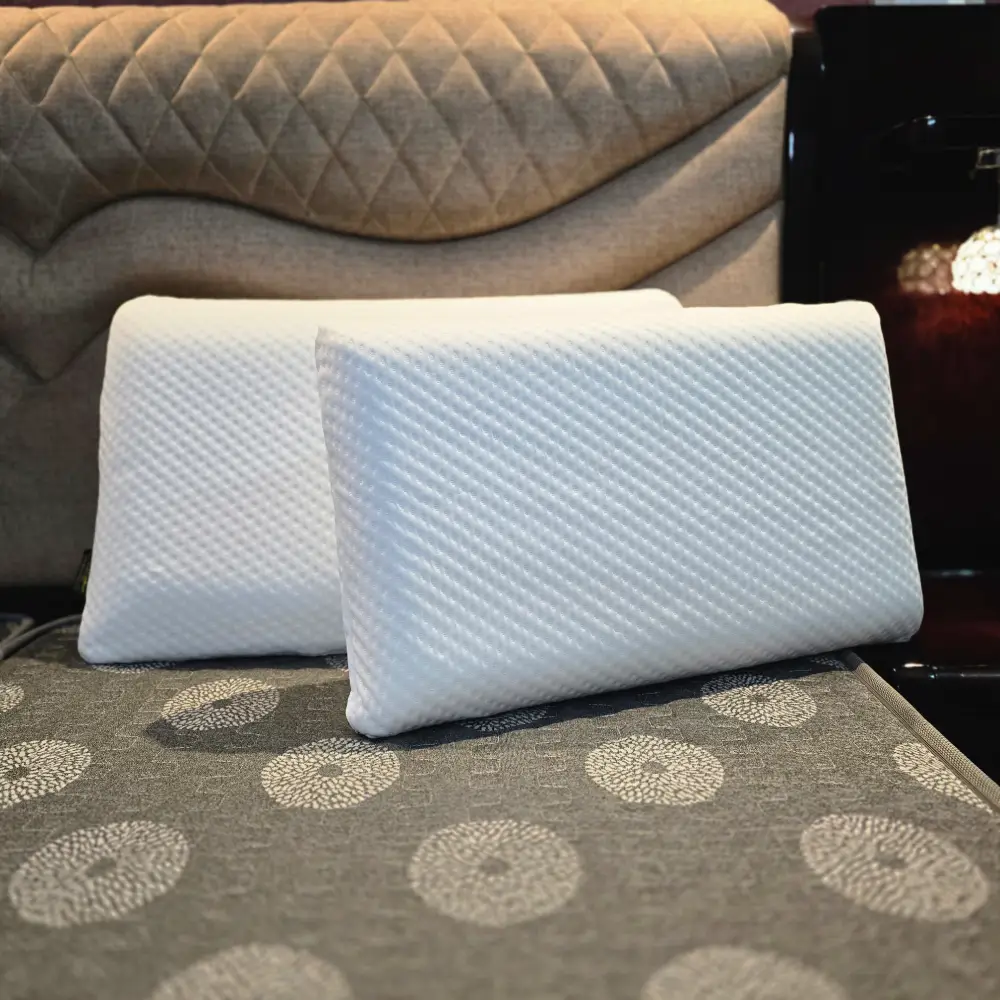
By Sheer Comfort | Health & Lifestyle | Sleep Wellness
You wake up. Your neck feels like it has been twisted overnight. You roll it slowly, hear a soft crack, and tell yourself — "I probably just slept in a weird position."
But then it happens again the next morning. And the morning after that.
Here is something most people don't want to hear: it's probably not how you slept. It's what you slept on.
Your pillow plays a much bigger role in your neck health than you think. And if you've been ignoring the signs, your body has likely been sending you messages for a while. This article walks you through 7 clear signs that it's time to switch to the best orthopedic pillow for neck pain — before things get worse.
Sign #1: You Wake Up With Morning Stiffness Almost Every Day
You know that feeling when you get out of bed and your neck won't turn properly for the first 20–30 minutes? That morning stiffness is not "just part of getting older" - and it's definitely not normal.
When your pillow doesn't support your neck's natural curve, your muscles spend the whole night in a strained position. Over time, those muscles get tighter. They stop recovering overnight. And so you wake up feeling worse than when you went to sleep.
A good orthopedic pillow is contoured to hold your cervical spine in a neutral position throughout the night. That means your muscles actually get to relax — which is the whole point of sleeping in the first place.
Ask yourself: Is the first thing you do every morning a neck stretch? If yes, that's sign #1.
Sign #2: You Spend Hours on Your Phone or Laptop (Tech Neck Is Real)
If you work from home, commute with your phone, or binge shows at night with your chin tucked in — welcome to the tech neck club. It's a very large, very sore club.
Here's what's actually happening: when you tilt your head forward just 15 degrees, the pressure on your cervical spine more than doubles. At 60 degrees — the typical "scrolling angle" — that load increases to around 27 kilograms. Your neck muscles are dealing with that strain all day long.
By the time you go to sleep, those muscles are already exhausted. If your pillow is flat, too soft, or too high, it adds more stress instead of giving those muscles the recovery they need.
People with tech neck need a cervical pillow that gently pushes back against that forward head posture — supporting the natural C-curve of the spine so the muscles can decompress overnight.
Sign #3: You Get Frequent Headaches That Start at the Base of Your Skull
A lot of people walk around treating what they think are regular tension headaches. They take a painkiller, drink water, and move on. But if your headaches consistently start from the back of your neck and travel upward to your forehead or temples — that's a different kind of headache altogether.
These are often called cervicogenic headaches, meaning they originate from the cervical spine, not from inside your head. Poor neck support during sleep is one of the most common and overlooked triggers.
When the muscles around your upper cervical vertebrae stay tight all night — because your pillow isn't doing its job — they can irritate nearby nerves. That irritation radiates upward and mimics a typical headache.
Switching to the right orthopedic pillow has helped many people reduce these morning headaches significantly. Not because the pillow is a cure, but because it removes one of the main triggers.
Sign #4: You've Been Told You Have Cervical Spondylitis (or You Suspect It)
Cervical spondylitis — also called cervical spondylosis — is essentially wear and tear on the bones and discs in your neck. It's more common than people realize. In fact, studies suggest that more than 85% of people over 60 show signs of it, though it increasingly affects younger adults due to poor posture habits.
Common symptoms include a persistent aching in the neck, stiffness when turning your head, and sometimes numbness or tingling that runs down into the arms or hands.
If you have spondylitis, your pillow is not just a comfort item — it's part of your daily management. Sleeping without proper cervical support can accelerate discomfort and reduce the effectiveness of any physical therapy or treatment you're doing during the day.
The best orthopedic pillow for neck pain caused by spondylitis is usually a contoured memory foam cervical pillow — firm enough to maintain the shape of your neck, but not so hard that it creates pressure points.
Sign #5: You Switch Sleeping Positions Multiple Times a Night
Do you fall asleep on your back and wake up on your side — or the other way around? Most people move during sleep. That's completely normal. But if you're constantly tossing and turning, trying to find a comfortable position, your pillow might be the reason.
A pillow that's too flat doesn't give side sleepers enough loft to keep their head aligned with their spine. A pillow that's too thick forces back sleepers to crane their neck forward. Either way, your body keeps searching for relief — and never fully finds it.
Orthopedic cervical pillows are designed with dual-height contours so they accommodate different sleeping positions. Whether you drift from your back to your side mid-night, the shape continues to support your neck correctly. Less tossing. More actual rest.
Sign #6: You Feel a Dull, Persistent Ache in Your Shoulders and Upper Back
Here's something a lot of people don't connect: neck pain and upper back or shoulder pain often come from the exact same source. If your neck is misaligned during sleep, the muscles of your shoulders and upper back compensate to stabilize it. Over hours of sleep, those muscles accumulate tension.
You wake up with a sore shoulder or a tight upper back and think it's a separate problem. But trace it back — when did it start? Has it been getting worse gradually?
The neck, shoulder, and upper back are connected both structurally and neurologically. Supporting one properly helps relieve tension across the entire area. People who switch to a quality cervical pillow often report that their shoulder soreness improves too, even though they bought the pillow specifically for their neck.
Sign #7: Your Current Pillow Is More Than 18 Months Old
This one surprises people. Most of us keep pillows for years — sometimes a decade - without thinking about it. But here's the reality: even a good pillow has a lifespan. Regular pillows lose their support structure within 12 to 18 months. They compress, flatten, or develop lumpy spots that push your neck into unnatural positions.
If you can fold your pillow in half and it stays folded — it's done. If it's yellowing, saggy, or you can't even remember when you bought it — it's time.
Replacing your pillow with the right orthopedic option is one of the lowest-effort, highest-impact changes you can make for your neck health. You spend nearly one-third of your life on it. It deserves more than an afterthought.
So, What Should You Look for in the Best Orthopedic Pillow for Neck Pain?
Now that you've identified the signs, here's what actually matters when you decide to buy cervical pillow online:
Contoured shape: Look for a pillow with a lower centre and raised sides — this supports both back and side sleeping positions
Memory foam material: High-density memory foam adapts to your body shape without losing support through the night
Correct loft (height): Neither too flat nor too thick — the right loft keeps your ear aligned with your shoulder when sleeping on your side
Breathable cover: Especially important in warmer climates, a cotton or bamboo cover prevents heat buildup
Firmness: Soft enough to be comfortable, firm enough to actually hold the shape of your neck
The Bottom Line
Your pillow is not just where you rest your head. It's where your neck recovers — or doesn't.
If you recognise even two or three of the signs above, don't wait until the discomfort becomes something more serious. The right orthopedic support can make a noticeable difference in how your neck feels — not just in the morning, but throughout your entire day.
Your spine works hard for you every waking hour. Give it the rest it actually needs.
Looking for the right support for your neck? Explore our range of ergonomically designed cervical pillows at Sheer Comfort - made for real comfort, real relief.
Powered by Froala Editor

About the author
Sheer Comfort
We at Sheer Comfort feel that quality sleep isn’t just something that ought to happen, it must happen for a healthy, balanced and vivacious life. Better sleep affects a variety of factors, including physical well-being and mental sharpness…
Last updated . If you spot an error, contact our newsroom with the article link and supporting information.