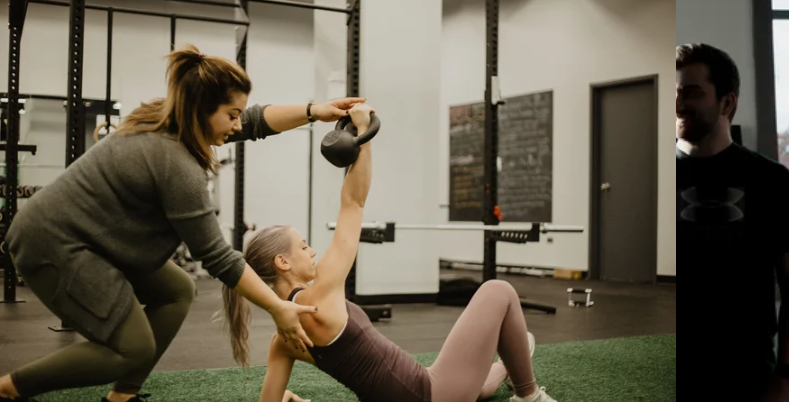
Few injuries can make an active person feel as uncertain as an ACL injury. One moment you are enjoying your favourite sport, and the next you are wondering if you will ever move the same way again. Questions about recovery, returning to competition, and avoiding another injury often start long before the pain begins to settle.
The good news is that many people successfully return to the sports they enjoy. The journey, however, takes patience, commitment, and the right rehabilitation plan. Recovery is not only about healing the knee. It is about rebuilding strength, improving movement, restoring confidence, and preparing your body for the demands of your sport.
With the right support and a personalized rehabilitation program, you can work toward returning safely while reducing the risk of future injuries.
Recovery Begins with Building a Strong Foundation
Whether your ACL injury is treated with surgery or managed without it, rehabilitation plays a central role in your recovery. During the early stages, the focus is often on reducing pain and swelling while gradually restoring movement in the knee.
As the knee begins to heal, rehabilitation progresses to exercises that improve muscle strength, balance, and stability. These early improvements create a strong foundation for more advanced activities later in the recovery process.
Every person's recovery timeline is different. Your rehabilitation plan should be based on your individual progress rather than a fixed schedule.
Strength Is Only Part of the Process
Many people assume that once the knee feels stronger, they are ready to return to sports. In reality, strength is only one piece of a much larger recovery process.
After an ACL injury, the body often develops movement patterns that protect the injured knee. While these adjustments may be helpful early on, they can continue even after healing has progressed. If these patterns are not corrected, they may increase stress on other joints or raise the risk of another injury.
Rehabilitation focuses on restoring proper movement while improving balance, coordination, and control. These skills help your body respond more effectively during running, jumping, changing direction, and landing.
Returning to Sport Takes More Than Time
Many athletes count the weeks or months until they can return to play, but time alone does not determine whether the body is prepared.
Before participating in sports again, rehabilitation professionals assess several areas, including:
Knee strength compared to the opposite leg
Balance and stability
Movement during jumping and landing
Agility and direction changes
Confidence during physical activity
These assessments help identify areas that may still need improvement before returning to higher levels of activity.
At this stage of recovery, return-to-sport rehabilitation helps bridge the gap between basic recovery and the physical demands of athletic performance. Guided exercises become more sport-specific while continuing to improve strength, movement quality, and overall function. This gradual progression allows the body to adapt safely before returning to practices, games, or recreational activities.
Confidence Plays a Bigger Role Than Many People Realize
Physical healing is only part of the recovery journey. Many people feel nervous about returning to the activity where the injury happened. They may worry about twisting the knee again or losing confidence during quick movements.
This is completely normal.
A structured rehabilitation program provides gradual exposure to more challenging movements in a safe environment. As each milestone is reached, confidence often grows alongside physical improvements.
Feeling prepared both physically and mentally can make returning to sports a much more positive experience.
Recovery Looks Different for Everyone
No two ACL injuries are exactly alike. Your age, activity level, overall health, and personal goals all influence your rehabilitation plan.
Someone hoping to return to recreational tennis may require a different approach than someone training for competitive soccer. Likewise, a younger athlete may progress differently than an older adult who simply wants to stay active.
Personalized rehabilitation allows exercises and activity levels to change as your recovery progresses. This approach helps ensure that your treatment continues to meet your needs at every stage.
Staying Committed Makes a Difference
It can be tempting to skip exercises once the knee starts feeling better. However, many improvements continue well after pain has decreased.
Regular rehabilitation sessions, home exercises, and gradual increases in activity all contribute to better long-term results. Staying consistent allows muscles, joints, and movement patterns to continue improving while helping reduce the chance of future setbacks.
Recovery is rarely a straight line, and occasional challenges are normal. Small, steady improvements often lead to lasting progress over time.
Getting Back to the Activities You Enjoy
Returning to sports after an ACL injury is about far more than stepping back onto the field or court. It is about trusting your body again and feeling confident in every movement you make.
If you are looking for professional guidance throughout your recovery, United Therapies Rehab Centre provides personalized rehabilitation designed to help you regain strength, improve movement, and safely work toward your activity goals. Their multidisciplinary team uses evidence-informed treatment plans that are tailored to your progress, helping you recover with confidence while supporting your long-term physical health.
If you are recovering from an ACL injury, book an appointment and take the next step toward a safe and confident return to sports.
Powered by Froala Editor
You may also like
More from this category.

ISO 45001 Lead Auditor Course What to Expect and Why It Matters for Your Career
The Bwindi and Volcanoes National Parks in Uganda Rwanda

Why Online Sainik School Coaching is Becoming the First Choice of Students
Can Ayurvedic Treatment Help With Recurring Sinus Congestion?
1000. Hemoptysis doctor appointment appointment in Chandigarh at IRFacilities - Tips, Strategies and Examples.

Why Value Access and Supply Chain Strategy Now Overlap

India Milk Market Innovation and Premiumization Redefining Dairy Demand

รีวิวคาสิโนออนไลน์ 10 อันดับ พร้อมแนวทางเลือกเว็บไซต์คาสิโน

Casino Non AAMS: Guida Completa a Giochi e Pagamenti