Injury recovery has traditionally centred on rest, rehabilitation exercises, and gradual return to activity. While these remain fundamental, many health professionals now recognize that recovery does not depend on movement alone. The body requires adequate fuel, hydration, and micronutrients to repair tissues and regain strength. This growing awareness has brought Nutrition Coaching into focus as a practical way to support both rehabilitation and long-term injury prevention.
People recovering from injuries, managing chronic conditions, or returning to sport are increasingly looking for guidance that connects diet with physical recovery. Rather than relying on general advice, they are seeking structured, personalized support that fits their training, work, and lifestyle demands.
Understanding What Nutrition Coaching Involves
Nutrition Coaching goes beyond handing someone a meal plan. It usually involves a structured process that examines a person’s daily habits, energy demands, medical history, and recovery goals. The emphasis is on education and behavior change rather than short-term dieting.
A coach may help individuals learn how to balance macronutrients, time meals around activity, and maintain hydration during rehabilitation or training. These adjustments are often small, but over weeks and months they may significantly influence recovery and performance.
Another defining feature of coaching is accountability. Regular check-ins help people stay consistent and make gradual adjustments that suit their progress. This approach tends to be more sustainable than rigid programs that are difficult to maintain in everyday life.
Readers interested in broader discussions on health habits and wellness writing may also find useful resources and community articles on platforms such as
https://health.thevirallines.net/user/add-article, where contributors regularly share perspectives on lifestyle, fitness, and recovery topics.
The Relationship Between Nutrition and Tissue Repair
When the body is injured, it enters a repair phase that requires protein, vitamins, minerals, and sufficient energy intake. Without adequate nutrition, healing processes may slow, and fatigue may increase.
Protein plays a role in rebuilding muscle and connective tissue. Micronutrients such as vitamin C, zinc, and iron support immune function and cellular repair. Carbohydrates provide energy for rehabilitation exercises, while healthy fats contribute to hormone regulation and overall recovery.
Hydration is another factor that is sometimes overlooked. Even mild dehydration may affect circulation and muscle function, which in turn influences rehabilitation outcomes.
These principles are widely recognized in sports science and physiotherapy settings, where recovery plans increasingly include nutritional considerations alongside exercise therapy.
Managing Inflammation Through Everyday Eating Patterns
Inflammation is a natural response to injury, but prolonged or excessive inflammation may delay healing. Balanced eating patterns that include whole foods, fruits, vegetables, and adequate hydration may support the body’s natural regulatory processes.
Nutrition Coaching often focuses on helping individuals build realistic routines rather than promoting strict or restrictive diets. This may involve planning meals ahead, improving grocery shopping habits, or adjusting portion sizes to match activity levels.
These practical strategies are particularly helpful for people who are balancing work, family responsibilities, and rehabilitation appointments, as they allow gradual changes that fit real life.
Writers and health enthusiasts who wish to share their own experiences with recovery and nutrition may also contribute articles through platforms like https://health.thevirallines.net/user/add-article, which hosts a range of community-driven health discussions.
Nutrition Coaching Within Sports Therapy and Rehabilitation Settings
Rehabilitation rarely relies on one discipline alone. Physiotherapists, exercise physiologists, and sports therapists often collaborate to address multiple factors affecting recovery. Nutrition is one of those factors.
For example, someone returning to running after a knee injury may need guidance on fueling before and after training sessions to maintain energy and reduce fatigue. A person recovering from shoulder surgery may need strategies to support muscle maintenance while activity levels are reduced.
In practice, integrated care models are becoming more common. Clinics that offer movement therapy alongside nutritional guidance provide a more complete approach to recovery. Readers who want to see how this integrated approach works in a real clinical setting may refer to
Nutrition Coaching with Delta Sports Therapy, which explains how structured nutritional support may complement rehabilitation programs.
Preventing Injuries Through Better Nutrition
Nutrition is not only relevant after an injury occurs. It also plays a role in prevention. Maintaining muscle strength, supporting bone health, and ensuring adequate energy intake all contribute to resilience during physical activity.
People who under-fuel or follow highly restrictive diets may experience fatigue, slower recovery between training sessions, and increased susceptibility to strain or overuse injuries. Balanced nutrition helps maintain consistent performance and supports the body’s ability to adapt to training loads.
Coaching can be particularly useful in this context because it helps individuals identify habits that may increase injury risk, such as skipping meals, inadequate hydration, or inconsistent fueling around exercise.
Who May Benefit Most From Nutrition Coaching
Although athletes are often associated with structured nutrition plans, coaching is relevant to a wide range of people.
Recreational athletes and gym-goers may benefit from guidance that helps them recover between sessions and maintain steady progress. Office workers managing back or neck pain may find that improving daily eating patterns supports energy levels and general wellbeing. Individuals returning to activity after surgery or illness may also need advice tailored to reduced activity levels and gradual progression.
Another group that often benefits includes people with physically demanding jobs. Tradespeople, healthcare workers, and others who spend long hours on their feet require consistent energy intake to maintain strength and reduce fatigue.
What the Coaching Process Typically Looks Like
Most Nutrition Coaching programs begin with an assessment that explores current habits, activity levels, and goals. This stage helps identify gaps or patterns that may be affecting recovery or performance.
The next phase usually involves setting realistic targets. These are often small, achievable adjustments rather than dramatic changes. For example, increasing protein intake at breakfast, improving hydration during the workday, or planning recovery meals after training.
Follow-up sessions provide an opportunity to review progress and refine strategies. Over time, individuals learn how to make informed choices independently, which is one of the main aims of coaching.
Education is a central part of the process. Understanding why certain habits matter helps people stay motivated and consistent, even when schedules become busy.
The Psychological Side of Habit Change
One of the lesser-discussed aspects of Nutrition Coaching is the behavioral component. Changing long-standing eating habits requires planning, patience, and realistic expectations.
Coaches often help clients identify triggers that lead to inconsistent eating, such as irregular work hours or lack of meal preparation. By addressing these practical barriers, individuals are more likely to maintain new habits over the long term.
This focus on behavior rather than strict rules distinguishes coaching from many short-term diet programs. The aim is to build routines that remain sustainable months and years into the future.
The Future of Integrated Health and Recovery
Healthcare and rehabilitation continue to move towards more holistic models of care. Instead of treating injuries in isolation, practitioners are increasingly examining sleep, stress, workload, and nutrition together.
Technology is also contributing to this shift. Wearable devices, training apps, and online coaching platforms make it easier for individuals to track activity, monitor progress, and communicate with professionals.
As awareness grows, more people are likely to view Nutrition Coaching as a standard part of maintaining health rather than an optional extra. This trend reflects a broader understanding that recovery and prevention depend on multiple interconnected factors.
Conclusion
Nutrition Coaching is gaining attention because it connects everyday habits with measurable outcomes in recovery, performance, and overall wellbeing. By supporting tissue repair, helping manage inflammation, and encouraging sustainable routines, coaching offers practical value for people recovering from injury or aiming to prevent future problems. As rehabilitation continues to evolve, the integration of nutrition, movement, and education is likely to remain a central part of effective care.
Powered by Froala Editor
You may also like
More from this category.

Casino non AAMS in Italia: confronto tra bonus giochi e sicurezza

Casino non AAMS in Italia: guida ai criteri essenziali

Casino Non AAMS: Guida Comparativa per Utenti Italiani

Casino Non AAMS: Analisi di Bonus Giochi Pagamenti e Licenze

Come Valutare i Migliori Casinò Non AAMS

Sourcing Organic Sunflower Lecithin Powder: A Practical View for Procurement and R&D Teams

Can Aromatherapy Massage Help Calm the Mind and Reduce Daily Stress

Global Diabetic Footwear Market The Evolution of Pressure-Relieving and Adaptive Footwear
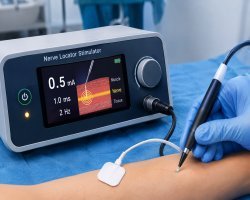
Global Nerve Locator Stimulator Market How Smart Technologies Are Enhancing Surgical Accuracy