Hydroponic System Leaks & Maintenance Tips
Story details
- Written by
- Think Verse
- Published
- Read time
- 4 min
- Reads
- 2

Most people notice the hydroponic system leaks only after something goes wrong. A small drip near the pipe, water where it should not be, sometimes plants looking stressed for no clear reason. At first it feels minor, easy to ignore. But in hydroponics, small water issues quietly become big ones.
The real trouble is standing moisture. When water stays in one place, mold can start growing very fast. Environmental studies show mold can begin forming within 24 to 48 hours if moisture is not controlled. That is not much time, especially inside indoor growing setups where everything already stays humid. One small leak, and suddenly you have more than just water to worry about.
This is why regular checks and simple hydroponic maintenance tips matter so much. Most leaks are not complicated problems. They come from loose fittings or missed inspection. A little attention at the right time saves a lot of repair later.
1. What Causes Hydroponic System Leaks?
Most hydroponic system leaks happen because something small gets ignored. A connector becomes loose, tubing gets old, or the pump pushes more pressure than the line can handle. Nothing dramatic at first. Just tiny drops of water escaping slowly. In many cases it is not a big technical fault, only basic wear and tear or setup mistakes that grow over time. This is why regular checking matters more than complicated fixes.
Common reasons growers usually see:
Loose joints or fittings not tightened properly
Old tubing developing small cracks
Pipes bent too sharply during setup
Pump pressure stressing connectors
Quick temporary fixes instead of proper hydroponic system repair
Most leak issues fall under simple hydroponic system troubleshooting. Catch early, fix small, problem stays small.
2. Early Signs Your Hydroponic System Needs Attention
Systems normally give hints before real trouble starts. The signs are not loud, just easy to miss. Water levels falling faster than usual, a little dampness near the setup, or plants suddenly looking tired even when nutrients look fine. These small things often point towards hidden hydroponic system problems.
Watch out for these early signals:
Reservoir water reducing faster than normal
Moist areas or slight water smell around the system
Uneven water flow to plants
Pump sound changing or running rough
Sudden plant stress without clear reason
These checks sound basic, but they are important for hydroponic leak prevention. A quick look every day saves bigger repair work later.
3. Simple Hydroponic Maintenance Routine
Good hydroponic systems usually stay simple. Problems start when small checks stop happening. A basic routine saves a lot of trouble later. You do not need long hours, just a little attention here and there. That is where real hydroponic maintenance tips work best.
Keep the routine easy:
Daily: quick look around the system, check if any water is collecting where it should not
Every few days: see if water level and flow look normal
Weekly: check joints, wipe surfaces, clean small dirt or buildup
Monthly: slow inspection of pipes, fittings, pump area
Many hydroponic system problems start because these small checks get skipped. Nothing complicated, just a habit.
4. Pump, Tubing & Reservoir Care (Where Most Leaks Start)
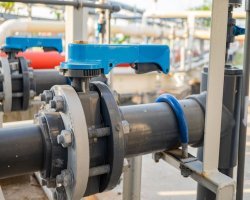
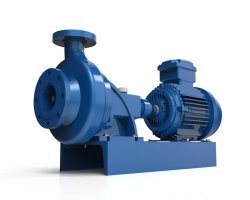
Most hydroponic system leaks begin near moving parts. Pump keeps running, water keeps pushing, and slowly parts get tired. Tubes soften, connectors shift a little, seals lose grip. It happens quietly. That is why this area needs extra attention.
Things worth checking regularly:
Pump running smooth, not making strange noise
Tubing without cracks or tight bends
Connectors sitting straight, not loose
Reservoir clean so flow stays clear
Old seals replaced before they start leaking
This part is basic hydroponic system troubleshooting. Catch early and repair work stays small.
5. Quick Actions If a Leak Happens
When a leak shows up, the first thing is not to panic. Turn off the water flow. Just stop it. Most people rush into fixing without finding the source, then the leak continues somewhere else. Slow down for a minute, then act.
What to do step by step:
Switch off pump immediately
Find where water is actually coming from
Tighten loose fittings first
Replace damaged pipe or connector if needed
Restart slowly and watch for a few minutes
Knowing how to fix hydroponic system leaks quickly saves plants and nutrients. Also helps in preventing leaks in hydroponic systems later because you start noticing weak points earlier.
Conclusion
Most hydroponic system leaks do not arrive suddenly. They start small, almost harmless, and then one day you notice water where it should not be. Regular checking looks boring, but honestly that is what saves the system. A few minutes of attention now usually means no big repair later.
Good growing is not only nutrients and lights. It is also small care work in the background. Simple hydroponic maintenance tips, done regularly, reduce many common hydroponic system problems without much effort. Keep it simple, keep it consistent, things stay under control.
FAQ’s
1. How to fix hydroponic system leaks fast?
Stop the pump first. Then find the exact spot and tighten or replace the faulty part before starting again.
2. How often should hydroponic systems be checked for leaks?
A quick look every day works best. Small checks help with early hydroponic leak prevention.
3. What usually causes hydroponic system leaks?
Mostly loose fittings, old tubing, or worn seals. These are common issues in basic hydroponic system troubleshooting.
Powered by Froala Editor

About the author
Think Verse
ThinkVerse is a content platform focused on creating high-quality blogs, guest posts, and SEO-friendly articles across multiple niches. We help brands grow through informative and engaging content.
Last updated . If you spot an error, contact our newsroom with the article link and supporting information.