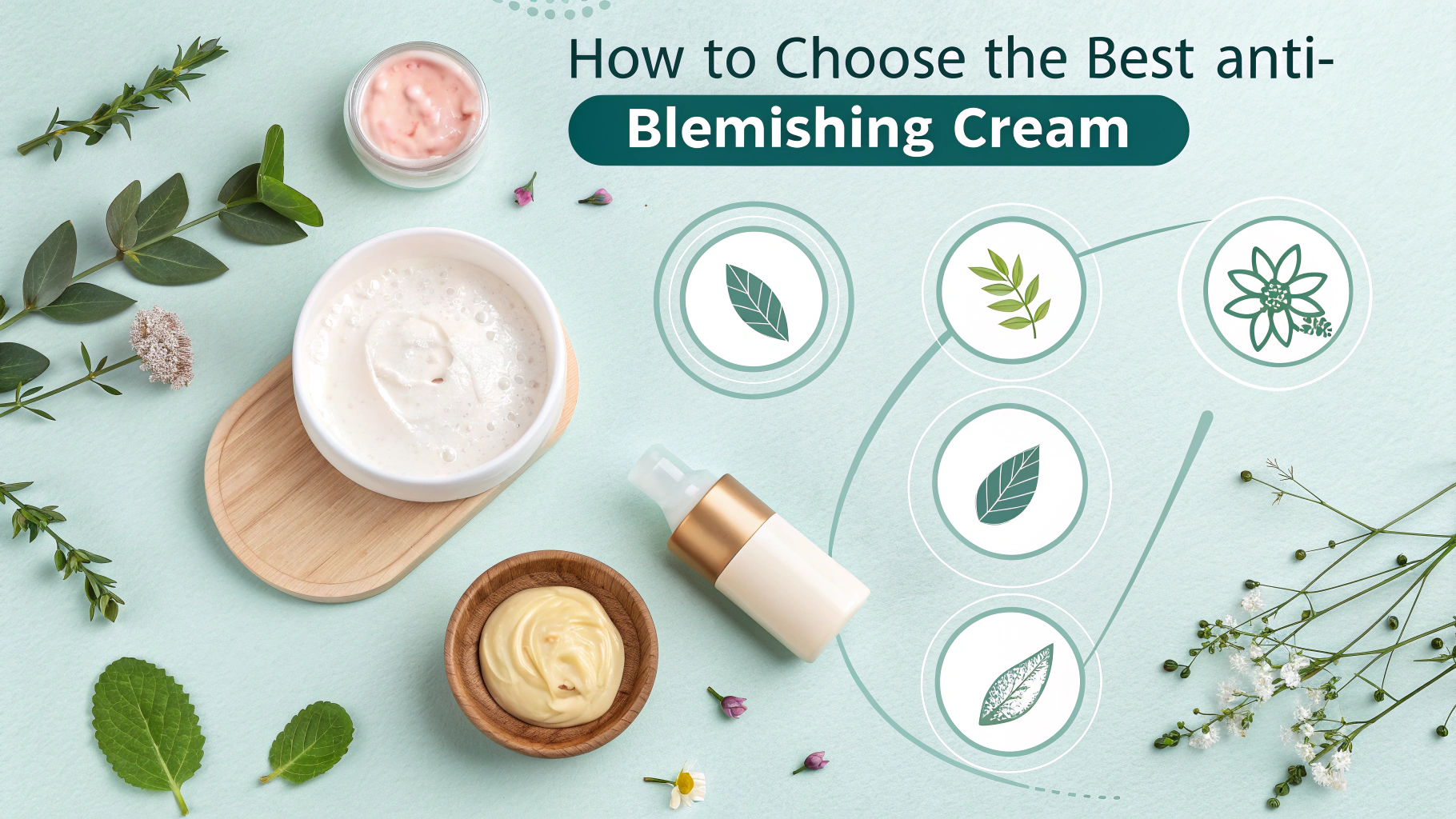
Blemishes like acne, dark spots, and uneven texture can undermine your confidence and skin health. Whether you're battling hormonal breakouts, sun damage, or post-acne marks, finding the anti-blemishing cream is key to clearer, smoother skin. But with shelves overflowing with promises of "miracle" fixes, how do you choose wisely? This guide breaks it down, drawing from dermatologist recommendations and skincare science, to help you select an effective product tailored to your needs.
Understand Your Skin Type and Blemish Concerns First
Before grabbing any tube labeled "anti-blemish," assess your skin. Mismatched products can worsen issues—think clogged pores from heavy creams on oily skin.
Oily skin: Prone to acne and shine; opt for lightweight, gel-based formulas.
Dry skin: Needs hydration alongside blemish control to avoid irritation.
Combination skin: Balances oily T-zone with drier cheeks.
Sensitive skin: Requires gentle, fragrance-free options.
Identify your blemish type too:
Active acne (whiteheads, blackheads, cysts).
Post-inflammatory hyperpigmentation (PIH) from healed pimples.
Scars or enlarged pores.
Pro tip: Track your skin for a week using a journal or app. Note triggers like diet, stress, or hormones. This clarity ensures your anti-blemishing cream targets root causes, not just symptoms.
Decode Key Ingredients for Real Results
The heart of any great anti-blemish cream lies in its ingredients. Look beyond hype—focus on evidence-based activities proven in clinical studies.
Powerhouse Actives for Blemish Fighting
Salicylic Acid (BHA): Penetrates pores to exfoliate and unclog. Ideal for blackheads and acne; concentrations of 0.5-2% work best without drying.
Benzoyl Peroxide: Kills acne-causing bacteria (P. acnes). Start with 2.5-5% to minimize irritation.
Niacinamide: A multitasker that reduces inflammation, fades dark spots, and regulates oil. Safe for all skin types at 4-5%.
Retinoids (Retinol or Adapalene): Boost cell turnover to smooth texture and prevent clogs. Use at night; beginners should choose gentle OTC versions.
Alpha Arbutin or Vitamin C: Brightens PIH and evens tone without hydroquinone's risks.
Supportive Hydrators and Soothers
Hyaluronic Acid: Locks in moisture without greasiness.
Centella Asiatica or Aloe Vera: Calms redness and heals.
Avoid irritants like alcohol, synthetic fragrances, or high-strength acids if sensitive. Check for non-comedogenic labels (won't clog pores) and patch-test new products on your inner arm for 48 hours.
Scrutinize Product Labels Like a Pro
Labels reveal truths marketing often hides. Here's what to scan:
Prioritize broad-spectrum SPF 30+ in daytime creams, as UV rays darken blemishes. Apps like Think Dirty or Yuka scan barcodes for ingredient safety.
Top Anti-Blemishing Cream Recommendations
Based on user reviews, dermatologist picks, and efficacy data from sites like PubMed:
The Ordinary Niacinamide 10% + Zinc 1% (₹600): Oil-control hero for acne-prone skin.
Minimalist 2% Salicylic Acid Serum (₹600): Indian favorite for pore-clearing.
CeraVe Resurfacing Retinol Serum (₹1500): Gentle for beginners with ceramides.
Plum Green Tea Mattifying Moisturizer (₹500): Budget niacinamide pick for oily skin.
La Roche-Posay Effaclar Duo (₹2000): Benzoyl peroxide alternative for sensitive acne.
These aren't one-size-fits-all—match your profile.
Application Tips for Maximum Impact
Choosing is half the battle; usage seals results.
Cleanse with a gentle foaming cleanser.
Apply a pea-sized amount post-toner, morning and night.
Layer: Actives first, then moisturizer, SPF by day.
Start slow (2-3x/week) to build tolerance.
Pair with a routine: Exfoliate 1-2x weekly, hydrate daily.
Expect a "purging" phase (initial breakouts) with retinoids—give it 4-6 weeks. Consistency trumps perfection.
Common Mistakes to Avoid
Even pros slip up:
Overloading activities (e.g., retinol + acids = irritation).
Skipping sunscreen, worsening pigmentation.
Expecting overnight miracles—real change takes 8-12 weeks.
Ignoring lifestyle: Poor sleep, sugar-heavy diets, and stress fuel blemishes.
Consult a dermatologist for persistent issues like cystic acne or hormonal imbalances.
When to See a Professional
If OTC creams fail after 3 months, or you have severe scarring/infection, pros offer prescriptions like tretinoin or isotretinoin. In India, platforms like Practo connect you to board-certified derms affordably.
Final Thoughts: Your Path to Blemish-Free Skin
Selecting the best anti-blemishing cream boils down to knowing your skin, prioritizing proven ingredients, reading labels critically, and committing to a routine. Start simple, track progress with before-after photos, and adjust as needed. Clear skin isn't about perfection—it's about empowered choices.
Powered by Froala Editor
You may also like
More from this category.

Raj Vedanta School: Bhopal's Trusted Choice for ICSE Education

Aircon repair Roseville
Why Premium Beauty and Personal Care Products Continue to Attract U.S. Consumers

Découvrez Les Meilleurs Bookmakers Internationaux En 2026

Casino Bonuses In Saudi Arabia Legal And Financial Risks

Les méthodes de paiement les plus rapides pour les casinos en ligne français en 2026

I Migliori Casino Non AAMS Italia Affidabili con Giochi Online di Qualità

Confronto tra Casino ADM e Migliori Casino Non AAMS Bonus Giochi e Promozioni

BDG Play APK Download – Quick Guide for Android Users