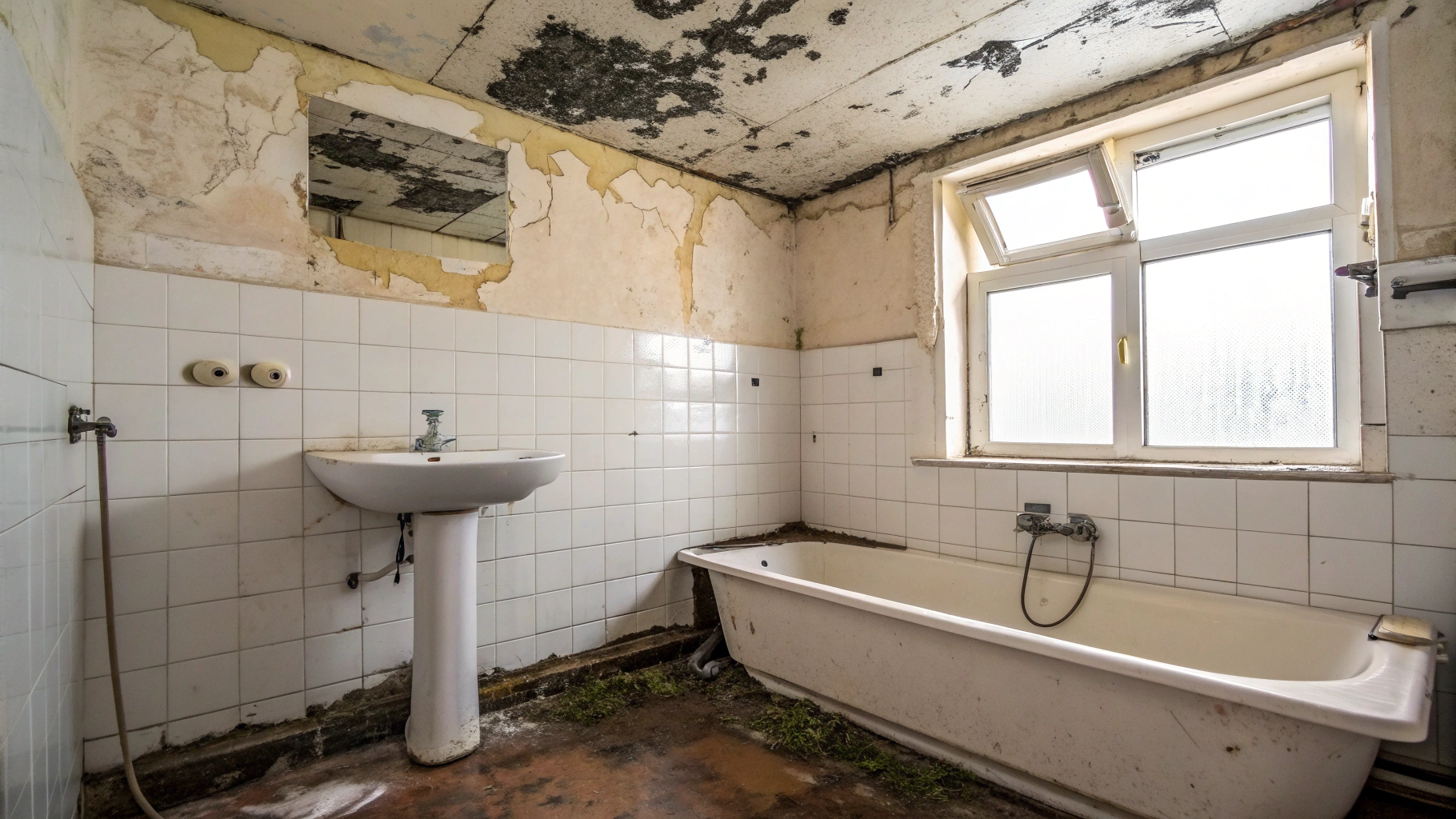
A small leak under the sink or a slow drip behind a shower wall may not seem urgent at first. However, bathroom water issues can escalate faster than many homeowners expect. Bathrooms contain plumbing lines, sealed surfaces, tile grout, and hidden cavities that allow moisture to spread quietly. In McLean homes, where finished interiors and layered flooring are common, even minor water intrusion can cause serious long-term problems. This article explains how quickly bathroom water damage should be addressed and why immediate action helps prevent mold growth and structural deterioration.
Water does not need days to cause damage. In many cases, the first few hours are critical.
Introduction
Bathrooms are naturally humid spaces, which makes it harder to detect when water is causing deeper damage. A towel can hide a leak, and tile can conceal moisture beneath the surface. Many homeowners delay action because the visible area looks manageable. Unfortunately, hidden moisture often continues spreading behind walls and under floors. When water remains untreated, it creates ideal conditions for mold and weakens building materials over time. Understanding the timeline of water damage helps homeowners respond before small problems turn into costly repairs.
Bathroom water damage: Why Immediate Response Is Critical
The moment bathroom water damage occurs, materials such as drywall, subflooring, and insulation begin absorbing moisture. Within hours, these materials can become saturated. If the source of water continues, damage expands beyond the immediate area.
In humid bathroom environments, moisture evaporates slowly. This extended dampness creates the perfect environment for mold spores to grow. Addressing water intrusion immediately limits saturation, reduces repair costs, and protects indoor air quality.
What Happens in the First 24 Hours
During the first day after water exposure, moisture begins penetrating porous surfaces. Drywall softens, wooden subfloors absorb water, and adhesive beneath tiles may weaken.
Homeowners may notice:
Warping or swelling around baseboards
Soft spots in flooring
Peeling paint or bubbling surfaces
Persistent damp odors
If action is taken within this window, many materials can still be dried and preserved.
The Risk of Mold Within 48 Hours
Mold growth conditions often develop within 24 to 48 hours when moisture remains trapped. Bathrooms are especially vulnerable because they already experience higher humidity levels.
When mold begins forming behind walls or under flooring, removal becomes more complex. Instead of simple drying, remediation may require removing sections of drywall or cabinetry. Early intervention prevents this escalation.
How Structural Materials Weaken Over Time
If bathroom leaks go untreated for several days, structural components may begin to deteriorate. Subflooring can warp, framing may weaken, and grout lines may crack under pressure from swelling materials.
Long-term structural risks include:
Loose or uneven flooring
Damage to vanity cabinets
Ceiling staining in lower-level rooms
Compromised wall stability
Addressing the issue early reduces the likelihood of major reconstruction.
Why Hidden Moisture Is the Biggest Threat
Visible water is only part of the problem. Moisture often travels behind tile, into insulation, and along plumbing lines.
Professional drying becomes necessary when:
Water seeps beneath tile or vinyl
Walls feel damp despite surface drying
Odors persist after cleanup
Leaks have been active for several hours
Specialized equipment detects and removes hidden moisture that household fans cannot reach.
How McLean Homes Face Unique Challenges
Many homes in McLean feature finished basements, hardwood flooring, and layered construction. Water from an upstairs bathroom can seep downward and affect ceilings, insulation, and electrical systems below.
Local climate conditions can also slow natural drying, especially during humid seasons. Acting quickly minimizes moisture spread and protects multiple levels of the home.
When to Call Professionals
Minor surface spills may not require professional assistance. However, certain signs indicate that restoration services should be contacted immediately.
You should seek professional help if:
Water has soaked into walls or flooring
The leak continued for more than a few hours
There is visible swelling or staining
A musty odor develops
Water reached adjacent rooms
Prompt evaluation ensures moisture is removed before mold forms.
How Professional Drying Prevents Escalation
Professional restoration teams use industrial extraction tools, air movers, and dehumidifiers to remove moisture thoroughly. They monitor humidity levels and confirm dryness with moisture meters.
Early intervention through water damage restoration services can prevent hidden mold growth and structural weakening. Instead of waiting for visible damage to worsen, proactive drying stabilizes the affected area quickly.
Conclusion
Bathroom water damage should be addressed immediately, ideally within the first 24 hours, to prevent mold growth and structural deterioration. Delaying action increases the risk of hidden moisture, warped flooring, and costly repairs. For homeowners in McLean, acting quickly and seeking professional water damage restoration Mclean VA support ensures that moisture is fully removed and long-term damage is avoided.
FAQs
Q1: How soon can mold grow after bathroom water damage?
A: Mold growth conditions can develop within 24 to 48 hours if moisture remains untreated.
Q2: Can I dry bathroom water damage myself?
A: Small surface spills may dry naturally, but hidden moisture often requires professional equipment.
Q3: What is the biggest risk of delaying repairs?
A: Delays can lead to mold growth, weakened flooring, and damage spreading to nearby rooms.
Powered by Froala Editor
You may also like
More from this category.

Essentials Hoodie 2026: The Ultimate Guide to Style, Fit & Trends

Shop Baltimore City T-Shirts and Custom Baltimore Snapback Hats
Emergency Plumbing Service and Sanitary Sewer Evaluation Survey: Protecting Your Property From Plumbing Problems

Kids Books That Read to You: A Fun Way to Encourage Young Readers

Child Custody Paperwork Help: Understanding Parenting Plan Documents

Locksmith in Barnsley: Reliable Security Solutions for Every Property

EMDR Therapy: Understanding Eye Movement Desensitization and Reprocessing

Plantation Shutters and Window Blinds in League City, TX: Find the Right Window Coverings for Your Home

Choosing the Right Construction Company in Bellaire TX for Your Home Project