How Ocean Freight Works: A Master Guide To Global Shipping Logistic Pro
Story details
- Written by
- TerraLink Logistics
- Published
- Read time
- 5 min
- Reads
- 43
The modern world exists because of the vast, blue highways of the sea. When you look at the items in your home, from the smartphone in your pocket to the coffee beans in your pantry, there is a high probability that they traveled thousands of miles across the ocean to reach you. Ocean freight is the literal backbone of the global economy; it is a complex, fascinating, and incredibly efficient system that moves more than ninety percent of the world’s trade. If you have ever wondered how a massive container ship can carry twenty thousand metal boxes across the Pacific with pinpoint accuracy, you are in the right place. This guide will walk you through the inner workings of the shipping industry with an encouraging and informative perspective.
Understanding the Foundation of Marine Logistics
To understand the scale of this industry, we must first look at its technical roots. According to Wikipedia, merchant shipping refers to the use of commercial vessels to transport cargo and passengers through sea lanes. This practice has evolved from simple wooden sailboats to massive, automated steel giants. The primary reason why ocean freight remains the preferred method for international trade is its unmatched capacity for scale. While air freight is faster, it is significantly more expensive and has a much higher carbon footprint per ton of cargo.
Shipping by sea allows businesses to move massive volumes of goods at a fraction of the cost. This economy of scale is achieved through containerization. Before the 1950s, loading a ship was a labor intensive process where individual crates and barrels were stowed by hand. Today, standardized containers allow for seamless movement between ships, trucks, and trains. This uniformity has lowered the cost of goods globally, making international products accessible to almost everyone.
The Two Pillars: FCL and LCL
When a business decides to use ocean freight, they generally choose between two main shipping modes. The first is Full Container Load (FCL). As the name suggests, this is when a shipper uses an entire container for their goods alone. It is often the best choice for large businesses or those with enough inventory to fill a twenty or forty foot box. FCL offers more security and faster handling because the container is sealed at the origin and only opened at the destination.
The second mode is Less than Container Load (LCL). This is an encouraging option for small to medium enterprises. In this scenario, multiple shippers share the space within a single container. You only pay for the volume you use, which makes it highly cost effective for smaller shipments. While LCL might take slightly longer due to the consolidation and deconsolidation process at the ports, it provides a vital entry point for growing businesses to participate in global trade.
The Economic Engine and Market Dynamics
The world of ocean freight is not just about ships and containers; it is a highly sensitive economic ecosystem. Rates for shipping fluctuate based on global demand, fuel prices, and geopolitical stability. For instance, current Google News reports often highlight how shifts in regional stability can force ships to take longer routes, which in turn increases the cost of transport and the time it takes for goods to arrive.
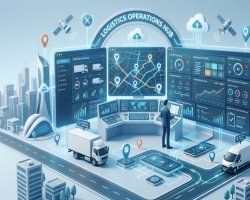
Managing these costs requires a deep understanding of logistics strategy. Professional logistics managers must balance the "transit time" against the "freight cost" to ensure that their supply chains remain resilient. As noted in a recent Forbes article regarding supply chain technology, the future of the industry lies in digital transparency. Companies are now using real time tracking and predictive analytics to navigate the complexities of the sea.
Strategic Forwarding and Support
Navigating the paperwork, customs regulations, and port fees of international shipping can be a daunting task for any business owner. This is where specialized service providers become essential. For those looking for a comprehensive partner in this journey, TerraLinkLogistics offers international freight and forwarding services to bridge the gap between manufacturers and consumers. Having an expert who understands the nuances of bill of lading documents, maritime insurance, and port handling can save a company thousands of dollars in potential delays.
Innovations and a Greener Horizon
As we look toward the future, the ocean freight industry is undergoing a significant transformation. The focus is shifting toward sustainability and decarbonization. International maritime organizations are setting ambitious goals to reduce greenhouse gas emissions from ships. This involves experimenting with alternative fuels such as ammonia, hydrogen, and even advanced wind assisted propulsion systems that resemble modern sails.
Furthermore, automation is changing how ports operate. Many of the world’s largest ports now feature automated cranes and self driving vehicles that move containers with incredible precision. This reduces human error and increases the speed at which ships can be unloaded, ensuring that the ocean freight network remains reliable even as global trade volumes continue to grow.
Digitalization of the High Seas
Blockchain technology is another exciting development in the sector. By creating an immutable digital ledger for shipping documents, the industry is reducing the reliance on physical paperwork. This not only speeds up the process but also reduces the risk of fraud. When every participant in the supply chain can see the status of a shipment in real time, the entire system becomes more efficient and encouraging for new players entering the market.
Conclusion: Setting Sail Toward Success
The world of ocean freight is a testament to human ingenuity and our desire to connect with one another across vast distances. By understanding the basics of containerization, the differences between FCL and LCL, and the importance of professional logistics management, you can leverage this powerful system to grow your business or simply appreciate the complexity of the products you use every day.
Whether you are a seasoned importer or an entrepreneur just starting your journey, remember that the sea offers endless opportunities for those who know how to navigate its currents. The industry is becoming smarter, greener, and more accessible than ever before.
Powered by Froala Editor

About the author
TerraLink Logistics
Contributor to TVL Health by The Viral Lines.
Last updated . If you spot an error, contact our newsroom with the article link and supporting information.