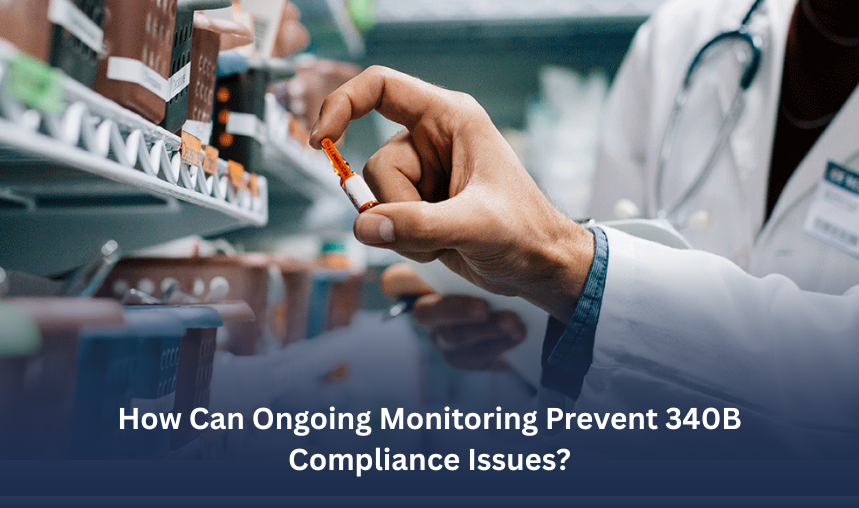
Ongoing monitoring helps prevent 340B compliance issues by ensuring continuous oversight of eligibility, purchasing, dispensing, and reporting processes under the 340B Drug Pricing Program administered by Health Resources and Services Administration (HRSA). Regular internal audits, real-time data tracking, and automated compliance checks allow covered entities to quickly identify duplicate discounts, diversion risks, inaccurate patient eligibility records, and contract pharmacy discrepancies before they escalate into costly violations.
Continuous monitoring also ensures alignment with changing HRSA guidelines, maintains accurate documentation for audit readiness, and strengthens internal controls across pharmacy and billing systems. By proactively detecting errors and correcting them early, healthcare organizations can reduce financial penalties, avoid repayment liabilities, and maintain program integrity while protecting access to discounted medications for eligible patients.
What Is the 340B Drug Pricing Program?
The 340B Drug Pricing Program was established in 1992 to enable eligible healthcare organizations known as covered entities to purchase outpatient drugs at discounted prices. The savings generated are intended to support vulnerable populations by expanding services, improving access to medications, and strengthening healthcare infrastructure.
Purpose and Background of the Program
The primary goal of the program is to allow safety-net providers to “stretch scarce federal resources.” By purchasing medications at lower costs, healthcare organizations can reinvest savings into patient care initiatives such as free clinics, expanded pharmacy services, and community outreach programs. Over time, the program has grown significantly, increasing regulatory scrutiny and compliance expectations.
Role of Covered Entities and Contract Pharmacies
Covered entities include hospitals, community health centers, and specialized clinics that meet HRSA eligibility requirements. These organizations are responsible for ensuring that 340B drugs are dispensed only to eligible patients and that compliance standards are met.
Many covered entities partner with contract pharmacies to dispense medications on their behalf. While this expands patient access, it also increases compliance complexity. Covered entities remain fully responsible for oversight, monitoring dispensing activities, preventing diversion, and maintaining accurate records even when third parties are involved.
Common 340B Compliance Challenges
Although the 340B program offers financial advantages, it presents several operational and regulatory risks that organizations must carefully manage.
Duplicate Discounts
Duplicate discounts occur when a manufacturer provides a 340B discount on a drug that also receives a Medicaid rebate. Federal law prohibits this scenario because it results in the manufacturer paying twice. Covered entities must implement safeguards to prevent duplicate billing, particularly when Medicaid managed care claims are involved. Failure to properly identify and segregate claims can lead to audit findings and repayment obligations.
Drug Diversion
Drug diversion happens when 340B-purchased medications are dispensed to individuals who do not meet patient eligibility criteria. This is one of the most common audit findings. Diversion may result from weak eligibility verification processes, system errors, or lack of staff training. Even unintentional diversion can trigger corrective action plans and financial penalties.
Inaccurate Patient Eligibility Determination
Determining whether a patient qualifies under 340B rules requires strict adherence to HRSA guidelines. Errors can occur if patient status, provider relationships, or encounter documentation are not properly verified. Inaccurate eligibility assessments increase the risk of diversion and undermine program integrity. Strong documentation practices and automated verification systems are critical to minimizing this risk.
Contract Pharmacy Oversight Issues
Managing multiple contract pharmacies introduces data-sharing, reporting, and oversight challenges. Inconsistent inventory tracking, claim reconciliation errors, and lack of transparency can create compliance gaps. Since covered entities are ultimately responsible for program compliance, they must conduct regular audits, monitor dispensing patterns, and ensure contractual agreements clearly define responsibilities.
Incomplete Documentation and Audit Failures
Proper documentation is essential for demonstrating compliance during HRSA audits. Missing records, inconsistent policies, and inadequate audit trails can lead to adverse findings. Organizations must maintain detailed policies and procedures, track purchasing and dispensing records accurately, and conduct routine internal audits. Proactive monitoring and documentation readiness significantly reduce the risk of penalties or program suspension.
Why One-Time Audits Are Not Enough
While periodic audits are an important component of a compliance program, relying solely on one-time or annual reviews is not sufficient for managing the complexities of the 340B Drug Pricing Program. The program operates in a dynamic environment involving changing patient data, prescription activity, payer mix, and regulatory updates from the Health Resources and Services Administration (HRSA). Because transactions occur daily, compliance risks can emerge and compound quickly. A single audit provides only a snapshot in time, leaving significant gaps between review periods where issues may go undetected.
The Limitations of Periodic Reviews
Reactive vs. Proactive Compliance
Periodic audits are typically reactive. They identify problems after they have already occurred often months later rather than preventing them in real time. By the time an issue is discovered, affected claims may number in the hundreds or thousands. Proactive compliance, on the other hand, involves continuous monitoring, automated controls, and routine internal reviews that flag discrepancies immediately. Without this ongoing oversight, organizations remain vulnerable to systemic errors.
Errors That Accumulate Between Audits
Between scheduled audits, small documentation errors, eligibility misclassifications, duplicate discounts, or contract pharmacy discrepancies can steadily accumulate. What may start as minor data-entry mistakes can develop into large-scale compliance violations. Because 340B transactions are high-volume and ongoing, even a short lapse in monitoring can result in significant financial exposure. One-time audits simply cannot capture every operational shift or billing irregularity that arises throughout the year.
Increased Exposure to HRSA Audits
HRSA conducts independent audits of covered entities, and findings often focus on diversion, duplicate discounts, and insufficient documentation. If an organization relies only on periodic reviews, it may discover compliance gaps only when HRSA does. This reactive approach increases the risk of unfavorable audit outcomes, corrective action plans, and intensified oversight. Continuous internal monitoring strengthens audit readiness and reduces the likelihood of unexpected findings.
Financial and Legal Consequences of Non-Compliance
Non-compliance within the 340B program can result in serious financial and legal repercussions. The risks extend beyond simple operational inconvenience and can significantly affect an organization’s stability.
Repayment Obligations
If violations such as duplicate discounts or diversion are identified, covered entities may be required to repay manufacturers for improperly purchased drugs. Depending on the duration and scope of the issue, repayment amounts can be substantial. In some cases, organizations must conduct extensive claim reviews to calculate financial impact, adding administrative burden and cost.
Manufacturer Disputes
Pharmaceutical manufacturers closely monitor 340B compliance. Identified discrepancies can lead to disputes, formal inquiries, or demands for corrective action. These disputes may strain supplier relationships and create additional legal and financial pressures. Resolving them often requires detailed documentation and resource-intensive internal investigations.
Risk of Removal from the 340B Program
Severe or repeated compliance violations may result in removal from the 340B program. Termination eliminates access to discounted drug pricing, which can significantly increase operating costs for safety-net providers. Re-entry into the program is complex and time-consuming, making prevention far more practical than remediation.
Reputational Damage
Beyond financial loss, non-compliance can harm an organization’s reputation among patients, regulators, and industry partners. Public audit findings or enforcement actions may erode trust and confidence. For healthcare providers serving vulnerable populations, reputational harm can impact community relationships and long-term sustainability.
What Is Ongoing 340B Monitoring?
Ongoing 340B monitoring refers to a continuous, structured compliance approach that ensures daily oversight of purchasing, dispensing, billing, and reporting activities under the 340B Drug Pricing Program. Rather than relying solely on annual or periodic audits, ongoing monitoring integrates real-time controls, data validation, and routine reviews to proactively detect and correct compliance risks. Because regulatory expectations are enforced by the Health Resources and Services Administration (HRSA), maintaining continuous oversight is essential to preventing diversion, duplicate discounts, and documentation gaps.
Definition and Core Components
Ongoing monitoring is a proactive compliance framework built on consistent evaluation of operational processes. It ensures that 340B activities remain aligned with federal regulations, internal policies, and audit standards.
Continuous Oversight of 340B Transactions
This involves tracking every stage of the 340B lifecycle from drug purchasing and inventory management to dispensing and claim submission. Continuous oversight ensures that only eligible prescriptions are filled with 340B inventory and that claims are accurately identified to prevent duplicate discounts. Monitoring contract pharmacy activity is also a critical part of this process.
Real-Time Data Validation
Real-time validation tools review patient eligibility, provider relationships, payer information, and prescription data at the point of service. Immediate error detection helps prevent non-compliant transactions before they are finalized. This reduces the need for large-scale corrections and financial repayments later.
Routine Internal Audits
In addition to automated controls, organizations conduct scheduled internal audits monthly or quarterly to test compliance accuracy. These audits typically include sampling claims, reviewing documentation, reconciling inventory records, and verifying Medicaid billing practices. Regular internal audits strengthen audit readiness and reduce exposure during HRSA reviews.
Policy and Procedure Reviews
Compliance policies must evolve alongside regulatory updates and operational changes. Ongoing monitoring includes periodic reviews and updates of written procedures, staff training materials, and internal controls. Clear documentation ensures consistency, accountability, and preparedness during external audits.
Technology-Driven Monitoring Solutions
Modern 340B compliance relies heavily on technology to manage high transaction volumes and complex eligibility requirements efficiently.
Split-Billing Software
Split-billing systems separate 340B-eligible prescriptions from non-eligible ones and allocate inventory accordingly. These systems help prevent diversion and duplicate discounts by automatically categorizing claims based on predefined eligibility rules. Proper configuration and monitoring of split-billing software are critical to accuracy.
Automated Eligibility Checks
Automated eligibility tools verify patient status, provider eligibility, and encounter qualifications in real time. By embedding compliance checks directly into workflows, these systems reduce manual errors and ensure that only qualified prescriptions are processed under 340B pricing.
Analytics Dashboards
Data dashboards provide visibility into purchasing trends, dispensing patterns, Medicaid claims, and contract pharmacy performance. Advanced analytics can identify unusual patterns, inconsistencies, or risk indicators that require further investigation. This proactive insight supports strategic compliance management.
Compliance Reporting Tools
Comprehensive reporting tools generate audit-ready documentation, track corrective actions, and maintain detailed transaction histories. Automated reporting improves transparency and simplifies responses to manufacturer inquiries or HRSA audits. Having centralized, accurate data strengthens overall program governance.
NorthArc Health: Supporting Proactive 340B Compliance
Who Is NorthArc Health?
NorthArc Health is a leading healthcare advisory and consulting firm specializing in 340B program compliance and pharmacy optimization. Their mission is to help healthcare organizations navigate complex federal regulations while maximizing the benefits of the 340B Drug Pricing Program. NorthArc Health combines regulatory expertise, advanced analytics, and operational insight to support hospitals, clinics, and health systems in maintaining program integrity and achieving financial efficiency.
Overview of Services in 340B Compliance and Pharmacy Optimization
NorthArc Health provides comprehensive services that cover every aspect of 340B program management, including:
Program Assessment: Evaluating current 340B program operations to identify gaps or compliance risks.
Pharmacy Optimization: Ensuring that contract and in-house pharmacies operate efficiently while adhering to 340B rules.
Strategic Guidance: Tailoring solutions that align with each organization’s goals, improving patient access and maximizing savings.
Expertise in Regulatory Risk Mitigation
Compliance with 340B program regulations requires constant vigilance. NorthArc Health specializes in regulatory risk mitigation by:
Monitoring HRSA guidance and updates to ensure ongoing compliance.
Identifying potential compliance vulnerabilities in workflows or reporting practices.
Recommending operational changes that reduce exposure to audits or penalties.
How NorthArc Health Enhances Ongoing Monitoring
Advanced Analytics and Data Monitoring Solutions
NorthArc Health leverages sophisticated analytics platforms to track 340B program metrics in real-time. This includes drug utilization, inventory management, and patient eligibility, enabling clients to detect anomalies before they become compliance issues.
Audit Preparation and Risk Assessments
NorthArc Health helps organizations prepare for HRSA audits by conducting pre-audit assessments. Their team reviews policies, documentation, and operational procedures to identify areas of risk and implement corrective actions, minimizing potential findings.
Contract Pharmacy Oversight Support
Contract pharmacies are critical to expanding patient access, but they also introduce additional compliance considerations. NorthArc Health offers guidance on contract management, oversight protocols, and reconciliation processes to maintain 340B program integrity.
Policy Development and Compliance Strategy
NorthArc Health works with healthcare organizations to develop robust compliance policies and strategies. They assist in creating standardized procedures, staff training programs, and governance frameworks that support sustainable, risk-conscious operations.
Why Partner with NorthArc Health?
Proactive Compliance Approach
Instead of reacting to compliance issues, NorthArc Health helps organizations implement proactive monitoring and preventive strategies that reduce the likelihood of audit findings and financial penalties.
Reduced Financial Exposure
By identifying and correcting vulnerabilities early, NorthArc Health minimizes risks that can lead to costly reimbursements or penalties associated with 340B program noncompliance.
Improved Operational Efficiency
Their expertise in pharmacy operations and data analytics helps streamline processes, reduce administrative burdens, and ensure that staff time is spent on high-value activities rather than manual compliance tracking.
Confidence During HRSA Audits
With thorough audit preparation, ongoing monitoring, and expert guidance, healthcare organizations can approach HRSA audits with confidence, knowing they have strong documentation, validated processes, and an actionable compliance framework.
How Ongoing Monitoring Prevents 340B Compliance Issues
Ongoing monitoring plays a critical role in maintaining compliance within the 340B Drug Pricing Program by proactively identifying risks before they escalate into serious violations. Because oversight is enforced by the Health Resources and Services Administration (HRSA), continuous internal controls help covered entities reduce audit findings, financial exposure, and operational disruptions.
1. Early Detection of Duplicate Discounts
Real-time claim verification
Monitoring systems review claims as they are processed to ensure that 340B-discounted drugs are not simultaneously submitted for Medicaid rebates. Immediate validation reduces billing conflicts.
Coordination between Medicaid billing and 340B claims
Integrated systems align pharmacy and billing data to prevent overlap, ensuring manufacturers are not charged twice for the same prescription.
2. Prevention of Drug Diversion
Automated patient eligibility verification
Systems confirm that patients meet HRSA eligibility criteria before a drug is dispensed under 340B pricing, reducing the risk of ineligible dispensing.
Cross-checking prescriber and location data
Monitoring tools verify that prescriptions originate from eligible providers and approved service locations, preventing unauthorized use of discounted inventory.
3. Improved Contract Pharmacy Oversight
Routine data reconciliation
Regular comparison of pharmacy dispensing data with internal records helps identify discrepancies early.
Monitoring dispensing patterns
Analytics highlight unusual trends or volume spikes that may signal compliance gaps.
Transparent reporting systems
Clear, centralized reporting ensures accountability and simplifies review processes across all contract pharmacy partners.
4. Stronger Documentation and Audit Readiness
Organized records
Continuous documentation management ensures policies, claim data, and transaction histories are readily accessible.
Audit trails
Automated logs track every transaction and adjustment, providing clear evidence during HRSA audits.
Policy adherence tracking
Regular reviews confirm staff follow established procedures, minimizing the risk of non-compliance findings.
5. Reduced Financial Risk
Identifying billing discrepancies early
Real-time alerts allow organizations to correct errors before they multiply across multiple claims.
Avoiding large repayment demands
By resolving issues immediately, covered entities prevent accumulated violations that could lead to significant repayment obligations.
Building an Effective Ongoing Monitoring Strategy
Creating a strong ongoing monitoring strategy is essential for maintaining compliance within the 340B Drug Pricing Program. Since oversight is regulated by the Health Resources and Services Administration (HRSA), covered entities must implement structured processes, clear accountability, and technology-driven controls to minimize compliance risks and ensure continuous readiness.
Establish Clear Compliance Policies
Written procedures
Organizations should develop detailed, written policies outlining eligibility determination, purchasing processes, inventory management, billing practices, and contract pharmacy oversight. Clear documentation ensures consistency and provides guidance during audits.
Defined responsibilities
Each department involved pharmacy, billing, compliance, and administration must have clearly assigned roles. Defining responsibilities reduces confusion, prevents oversight gaps, and strengthens accountability across workflows.
Assign a Dedicated 340B Compliance Team
Compliance officer role
Appointing a dedicated 340B compliance officer ensures centralized oversight of daily operations. This individual monitors regulatory updates, reviews internal reports, and leads corrective actions when risks are identified.
Internal audit committees
Establishing a cross-functional audit committee enhances transparency and collaboration. Regular meetings to review findings, trends, and corrective plans help maintain proactive compliance management.
Leverage Advanced 340B Technology
Integrated compliance systems
Modern compliance platforms connect pharmacy, billing, and inventory data into a unified system. Integration reduces manual errors and ensures accurate claim tracking across all service locations and contract pharmacies.
Real-time alerts and reporting
Automated alerts flag duplicate discounts, eligibility discrepancies, and unusual dispensing patterns instantly. Custom reporting tools provide audit-ready documentation and performance insights, improving decision-making and regulatory preparedness.
Conduct Regular Staff Training
Keeping teams updated on regulatory changes
HRSA guidance and industry practices evolve over time. Ongoing training ensures staff understand current requirements and adapt workflows accordingly.
Reinforcing internal controls
Frequent education sessions reinforce proper documentation, eligibility verification, and billing accuracy. Well-trained staff serve as the first line of defense against compliance errors.
The Role of Leadership in Sustaining Compliance
Strong leadership is essential for maintaining long-term compliance within the 340B Drug Pricing Program. While technology and internal controls are important, executive commitment ultimately determines whether compliance becomes a priority or an afterthought.
Executive oversight
Senior leadership must actively review compliance reports, audit findings, and risk assessments. When executives remain engaged in 340B oversight, it ensures sufficient resources, staffing, and system investments are allocated to maintain regulatory adherence.
Accountability culture
Leaders set the tone for organizational behavior. Promoting accountability at every level pharmacy, billing, compliance, and contract pharmacy partners reinforces the expectation that 340B requirements are non-negotiable. Clear consequences for non-compliance and recognition of best practices strengthen adherence.
Continuous improvement mindset
Compliance should not be viewed as a static checklist. Leadership must encourage ongoing evaluation of workflows, controls, and policies. Regular performance reviews, corrective action tracking, and process enhancements help prevent recurring issues and foster operational excellence.
Future-Proofing Your 340B Program
Given that regulatory oversight is managed by the Health Resources and Services Administration (HRSA), organizations must prepare for evolving expectations and policy changes.
Preparing for evolving HRSA guidance
HRSA periodically updates program guidance and audit focus areas. Proactively reviewing updates and aligning internal policies accordingly ensures organizations remain compliant before enforcement actions occur.
Adapting to regulatory updates
Healthcare regulations, Medicaid billing rules, and manufacturer requirements can shift over time. Flexible compliance systems and updated procedures allow covered entities to respond quickly without disrupting operations.
Strengthening risk management practices
Future-proofing also requires robust risk assessment frameworks. Identifying high-risk areas such as contract pharmacy relationships or Medicaid managed care claims and implementing targeted controls reduces exposure to financial and legal consequences.
Conclusion
Continuous monitoring is the foundation of sustainable 340B compliance. Periodic reviews alone cannot address the daily complexity of eligibility determinations, billing processes, and contract pharmacy oversight. Proactive compliance supported by leadership engagement, advanced technology, structured oversight, and staff training is far more effective than reactive correction after violations occur.
Final takeaway: Ongoing monitoring safeguards financial stability, preserves program eligibility, and protects organizational reputation. By embedding compliance into everyday operations and leadership strategy, covered entities can confidently maintain the long-term integrity and benefits of the 340B program.
Powered by Froala Editor
You may also like
More from this category.

Emotional Healing Takes More Than Time

Global Thorium Fuel Market Advancing Sustainable Nuclear Energy Solutions
Global Antifibrinolytic Drugs Market: Market Dynamics & Competitive Analysis

Why Is ISO 27001 Certification Important for Businesses in California?

What Really Happens If You Leave a Cavity Untreated

How Much Does a Water Treatment Plant Cost in India?

Biryani Spices: The Essential Guide to Building Deep, Aromatic Flavor

Fresh Goat Milk: What Makes It Different and Why More Families Are Choosing It

How Creatine Supports Strength, Energy, and Workout Performance