Where to Order Pizza in Addis Ababa: Delivery Apps vs Brand Apps
Story details
- Written by
- Amar Sham Unal
- Published
- Read time
- 5 min
- Reads
- 5
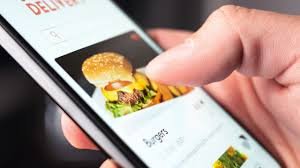
Pizza delivery in Addis Ababa has quietly changed how people order food, especially around busy areas like Bole, Kazanchis, and Gerji.
Not long ago, most people would just call a restaurant or walk in. Now it’s usually one of two things: either a delivery app with multiple restaurants listed together, or the brand’s own app where you order directly.
On paper, both do the same job. In practice, they don’t feel the same at all once you actually use them a few times.
Delivery apps: convenient, but not always as cheap as they look
Delivery apps are usually the first thing people open because everything is in one place. You can scroll through different pizza restaurants in Addis Ababa, compare prices, and order without switching apps.
Around areas like Bole or Sarbet, this is especially useful because you’ll see a mix of local pizza cafés and bigger chains side by side.
They also tend to push discounts quite aggressively. Free delivery offers, percentage discounts, and “limited time” promo codes show up often—especially in the evenings or weekends.
But after a while, you start noticing a pattern.
A pizza that looks cheaper at first doesn’t always stay cheaper by checkout. Service fees, delivery charges, and slightly higher menu prices quietly build up in the final bill. The discount is still there, just not as impactful as it first appears.
There’s also another thing people mention after using these apps for a while: timing. During busy hours, some restaurants prioritize direct orders, so delivery app orders can take a bit longer than expected.
So it’s convenient, no doubt—but the final cost and timing don’t always match what you assumed when you first tapped “order.”
Brand apps: fewer options, but more predictable experience
Brand apps are the direct ordering systems from pizza restaurants themselves—like Pizza Hut Ethiopia’s ordering platform or similar systems from larger chains in the city.
You don’t get variety here. You’re sticking to one brand. But everything else becomes more straightforward.
Prices tend to stay consistent. Deals are clearer. And customization is usually easier—extra cheese, crust changes, toppings, all that is handled directly without passing through a third system.
One thing that stands out with brand apps is how their offers are structured. Instead of random discounts, you usually see more stable bundles like family meals, lunch combos, or weekend deals that don’t change every few hours.
It feels less like “hunt for a discount” and more like “this is the actual deal.”
The downside is obvious though. If you’re unsure what you want or you like comparing places, brand apps feel limiting. You already need to know which restaurant you’re ordering from before you even open the app.
And depending on the brand, the app experience itself can be basic compared to larger delivery platforms.
The pricing difference isn’t as simple as it looks
This is where most people change their mind after a few orders.
Delivery apps often advertise cheaper prices, but the final amount tells a slightly different story once everything is added in. The discount applies only to selected items, then service fees and delivery charges come in.
Brand apps don’t always look like they’re offering big discounts, but the final price is usually more stable.
So what you see early isn’t always what you pay at the end.
There’s a kind of split pattern that shows up in real use:
Delivery apps feel cheaper at first glance, especially during promos
Brand apps feel more consistent when you check your order history over time
Depending on the day, either one can come out cheaper.
Delivery experience: where you actually feel the difference
Speed is another area where expectations and reality don’t always match.
With delivery apps, your order goes through a system that includes the app, the restaurant, and sometimes multiple riders handling different orders. When demand is low, it works smoothly. When it’s busy—especially evenings or weekends in Bole—you can feel delays building up.
Brand apps are more direct. Orders go straight to the restaurant system, which usually means fewer handovers and a bit more control over timing.
It’s not a dramatic difference every time, but in peak hours, it becomes noticeable.
So which one actually makes more sense?
There isn’t really a single winner here. People in Addis Ababa tend to switch depending on the situation more than anything else.
Delivery apps make sense when you don’t care which pizza place you order from and you’re mainly looking for deals or quick browsing.
Brand apps make more sense when you already know what you want and just want a straightforward order without extra fees or surprises.
In real life, most people don’t stick to one system. They use both—apps when they’re comparing prices, and brand platforms when they want something reliable and predictable.
Final thought
Pizza delivery in Addis Ababa isn’t really about “which app is better.”
It’s more about how patient you are that day, how much you want to compare, and whether you’re in the mood to hunt for deals or just order and move on.
And honestly, most of the time, people only decide after they’ve already opened both apps anyway.
Powered by Froala Editor

About the author
Amar Sham Unal
Contributor to TVL Health by The Viral Lines.
Last updated . If you spot an error, contact our newsroom with the article link and supporting information.