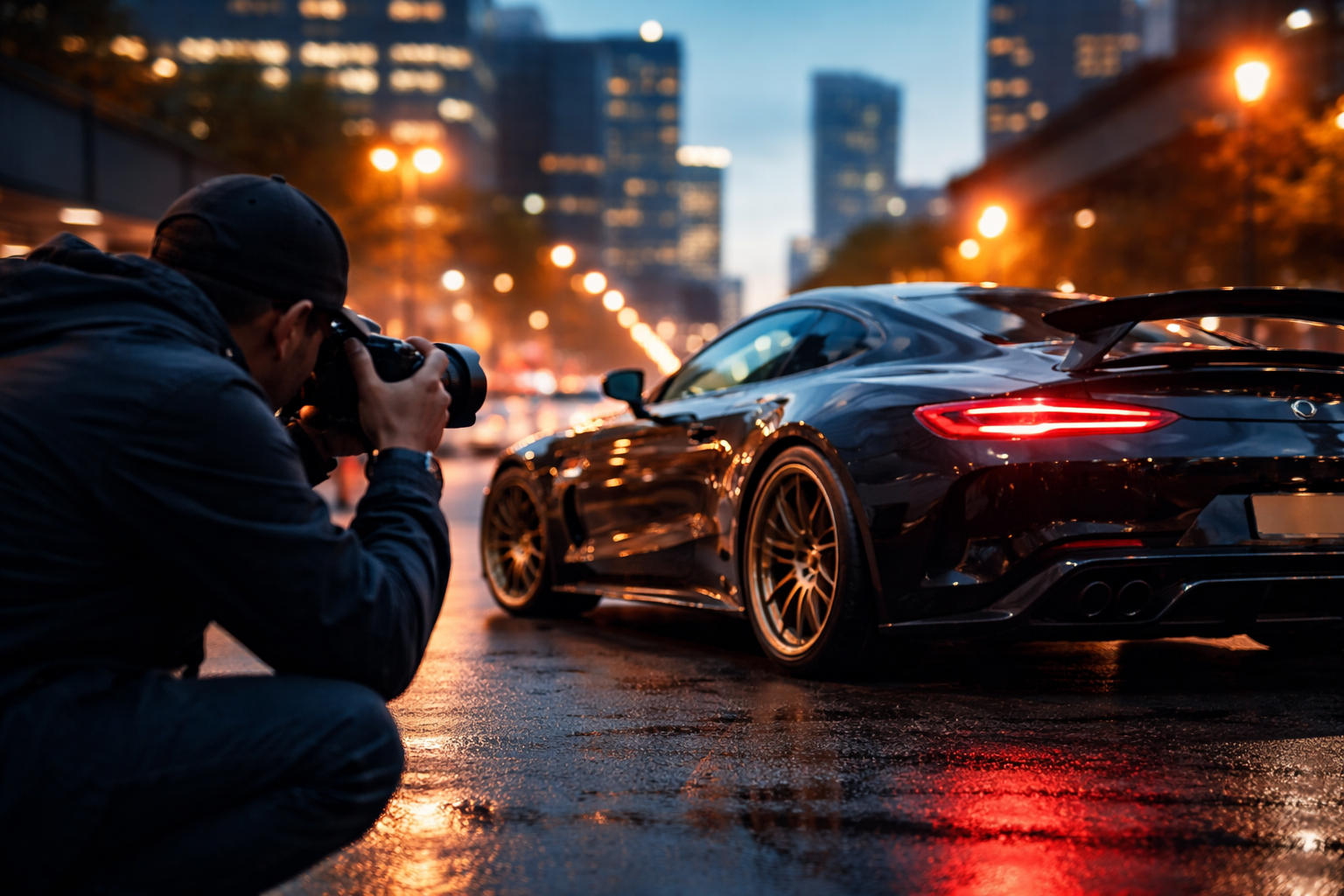
Automotive culture has always been visual. From glossy car magazines to showroom brochures, images have played a central role in how vehicles are admired, discussed, and remembered. Today, that visual culture has expanded far beyond printed pages. With the rise of digital platforms and online communities, automotive photography has become one of the most powerful ways enthusiasts share their passion for cars.
High-quality vehicle imagery now travels across the internet in seconds, reaching audiences far beyond local car meets or enthusiast magazines. A single photograph can showcase design, performance, craftsmanship, and personality all at once. In the social media era, automotive photography has evolved into both an artistic craft and a cultural language that connects drivers, collectors, designers, and fans around the world.
The Rise of Visual Car Culture Online
Car communities once relied heavily on in-person gatherings, printed magazines, and niche forums to share ideas and discoveries. While those channels still exist, digital platforms have dramatically expanded the way enthusiasts interact with vehicles and with each other.
Today, an image posted online can spark conversations across continents. A vintage restoration project in one country may inspire a custom build in another. Photographs have become the primary method through which enthusiasts discover new models, admire rare vehicles, and appreciate automotive design.
This shift has also transformed the role of photographers within car culture. Automotive photographers no longer document vehicles only for advertisements or publications. Instead, they capture the lifestyle surrounding cars—road trips, late-night city drives, and carefully restored classics displayed at gatherings. Through these visual narratives, viewers gain insight into the experiences that cars represent.
Readers who explore digital writing platforms may also notice how creative storytelling shapes online communities. Contributors often share their perspectives and experiences through articles published on platforms such as The Viral Lines article submission page, where topics ranging from lifestyle to creative pursuits continue to attract diverse audiences.
What Makes Automotive Photography Visually Compelling
Photographing a vehicle involves far more than simply pointing a camera at a car. Vehicles are complex subjects. Their reflective surfaces, intricate design lines, and dynamic shapes require careful attention to composition, lighting, and environment.
Composition and Perspective
One of the defining elements of effective automotive photography is perspective. Photographers often experiment with low camera angles or wide lenses to emphasize a car’s stance and presence. These perspectives can make a vehicle appear powerful, sleek, or aggressive depending on the intended visual narrative.
Framing also plays an important role. A car positioned against an open road, for example, may evoke freedom and movement. In contrast, an urban background can highlight modern design and engineering sophistication.
Lighting and Reflection
Vehicles reflect their surroundings, which means lighting must be managed carefully. Natural light during early morning or late afternoon often produces softer reflections that enhance the shape of a car. Photographers may also position vehicles strategically to avoid harsh highlights or distracting reflections.
In professional environments, controlled lighting allows photographers to emphasize specific details such as wheel design, body contours, or interior craftsmanship. These subtle choices help viewers notice features that might otherwise go unnoticed.
Choosing the Right Location
Location selection adds context to automotive imagery. A rugged off-road vehicle may look most authentic in natural terrain, while a modern performance car might appear at home against a sleek city skyline. The environment becomes part of the story, reinforcing the identity of the vehicle.
These creative decisions demonstrate why automotive photography is considered both technical and artistic. A strong image balances visual clarity with storytelling, allowing viewers to connect emotionally with the subject.
Automotive Photography as a Form of Visual Storytelling
Vehicles often represent more than transportation. They may symbolize independence, engineering innovation, or personal identity. Automotive photography captures these meanings by presenting cars within meaningful contexts.
A classic car photographed beside a historic building may evoke nostalgia. A sports car racing along a coastal road may represent freedom and adventure. Through careful framing and timing, photographers transform machines into symbols of experience.
Professional collections often illustrate this storytelling approach. For example, curated galleries featuring automotive photography show how lighting, composition, and setting work together to highlight both the aesthetic and emotional aspects of vehicles.
In many ways, automotive photography acts as a visual archive. It documents the evolution of car design, preserves rare models, and captures moments in automotive history that might otherwise fade from memory.
The Impact of Social Media on Automotive Photographers
Digital platforms have expanded opportunities for photographers to share their work and connect with new audiences. Enthusiasts can now follow photographers whose style resonates with them, discovering new perspectives on familiar vehicles.
This visibility has encouraged experimentation and creativity. Photographers often collaborate with car owners, collectors, and enthusiasts to capture vehicles in new ways. Some specialize in cinematic night photography, while others focus on motion shots that convey speed and performance.
Social media has also increased appreciation for the craft itself. Viewers who see the final image may not always realize the preparation behind it. Photographers often scout locations, study lighting conditions, and coordinate vehicle placement long before a photograph is taken.
Online platforms that encourage content sharing also contribute to these discussions. Writers and creators frequently publish insights and experiences through pages such as The Viral Lines contributor platform, where discussions about digital creativity and visual storytelling continue to grow.
Why Automotive Photography Continues to Grow in Popularity
Several factors explain why automotive photography remains such a prominent part of modern car culture.
Global Automotive Communities
Online platforms have connected enthusiasts across borders. A collector displaying a rare vintage car can share images with audiences worldwide. Likewise, photographers documenting unique builds help expand appreciation for automotive craftsmanship.
Technology and Accessibility
Advances in camera technology have made high-quality photography more accessible than ever before. Enthusiasts can experiment with vehicle photography using equipment ranging from professional cameras to modern smartphones.
Editing tools also allow photographers to refine colours, contrast, and composition, helping them achieve cinematic visual styles that once required specialized equipment.
Documenting Automotive History
Every car has a story. Some represent technological breakthroughs, while others reflect the culture of a particular era. Automotive photography preserves these stories by capturing vehicles in their original or restored condition.
Photographs taken today may become valuable historical references in the future, documenting how vehicles were built, modified, and appreciated by enthusiasts of a particular time.
The Future of Automotive Photography
As technology continues to evolve, automotive photography is likely to expand into new creative territories. Drone photography, for example, allows photographers to capture vehicles from dramatic aerial perspectives. Motion tracking and rolling shots bring an additional sense of movement and energy to automotive imagery.
At the same time, storytelling will remain central to the craft. Cars will continue to represent lifestyle, creativity, and engineering excellence. Photographers who combine technical skill with narrative vision may play an increasingly important role in shaping how automotive culture is documented and shared.
Automotive photography therefore stands at the intersection of art, technology, and community. Through powerful images, photographers capture more than vehicles—they capture the spirit of car culture itself.
Powered by Froala Editor
You may also like
More from this category.

Why Essentials Shorts Are Popular in Modern Streetwear

Sp5der Fashion: The New Standard for Bold and Comfortable Streetwear

Billionaire Studio Clothing for Everyday Urban Style

zelostech.ai: Advancing Autonomous Logistics and Smart Mobility

Burn-In Test Equipment: Improving Reliability in Electronics Manufacturing

Cat Sitting Tips: How to Prepare Your Cat and Home for a Sitter

Casino Non AAMS Con Crypto Bonus E Slot Moderne

Why Certified Mold Inspection and Radon Testing Matter for North Olmsted Homes

Numbing Cream for Tattoos and Tattoo Aftercare Cream: A Complete Guide to a Comfortable Healing Experience